Analytical Article on Why December is Historically Considered the Strongest Month for Stocks: S&P 500 Growth Statistics, Seasonal Factors, and Investor Strategies
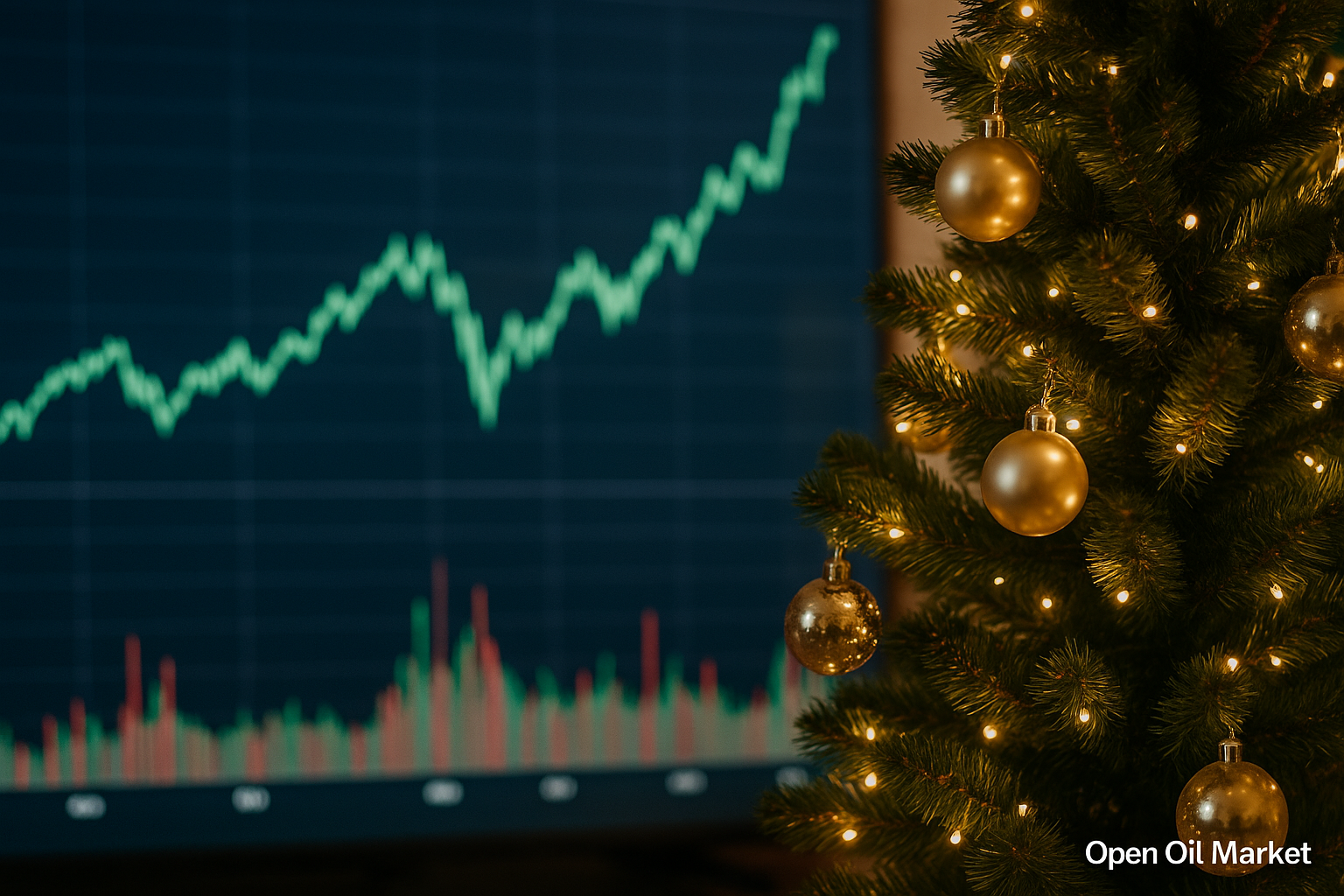
Stock market statistics show that December is historically one of the strongest months for stocks. The S&P 500 index has recorded positive returns in December approximately 74% of the time since 1928, the highest of any month. On average, the index has gained about 1.3–1.6% by the end of December. Therefore, analysts pay special attention to December trends when forming annual investment strategies.
Data from the "Stock Trader's Almanac" confirms December's strength: since 1950, the month has produced an average S&P 500 gain of about +1.5–1.6% (the second-best result after November). This seasonal growth is associated with annual cycles: as the year comes to a close, many investors adjust their portfolios and prepare for the holidays, which typically supports the market.
December in the American Market
Trends in the U.S. align with the overall picture. The S&P 500 index typically finishes December with a gain of approximately 1.5–1.6%, making December one of the most profitable months (usually second only to November). Similarly, other key indexes—Dow Jones and Nasdaq—tend to close positively at the end of December, although the exact figures may differ from the S&P.
Global Markets in December
Strong December rallies are also characteristic of other regions. In many developed economies, December traditionally brings growth to stock indices:
- Euro Stoxx 50 (Eurozone) – an average of about +1.9% in December, with 71% of such months closing in profit.
- DAX (Germany) – +2.2% on average, with 73% of months in the black.
- CAC 40 (France) – +1.6% on average, with 70% of months showing growth.
- IBEX 35 (Spain) – approximately +1.1% on average.
- FTSE MIB (Italy) – around +1.1% on average.
Even emerging markets often show December growth, though volatility is higher there. Overall, the end of the year is associated with assessing results and recalibrating portfolios worldwide, reflecting on stock demand.
Santa Claus Rally and Holiday Sentiment
A separate phenomenon is the "Santa Claus Rally": during the last five trading days of December and the first two trading days of January, markets traditionally rise. During these seven days, the S&P 500 has averaged a gain of about 1.3–1.6%, with more than 75% of such periods being positive. This is usually linked to holiday optimism, reduced activity from major traders (many take vacations), and the year-end capital reallocation.
January Effect
January is traditionally considered the "barometer" of the year. According to the "January Effect" theory, the first month sets the tone for the market for the entire year. Historically, the S&P 500, having closed positively in the early trading days of January, often predicted further index growth throughout the year. Thus, the December rally may transition into a continuing trend in January, enhancing investor hopes.
Reasons for December Growth
- Holiday Demand and Optimism. Consumption typically rises at the end of the year, increasing company revenues and creating a favorable foundation for stocks.
- Portfolio Adjustment. Funds and institutional investors assess the year's results, balancing assets (locking in losses for tax purposes and purchasing promising stocks if necessary).
- Year-End Bonuses. Investors receive bonuses, which they often reinvest in the market before the New Year.
- Buyback Programs. Many companies accelerate stock repurchase programs at year-end, supporting asset prices.
- Reduced Activity of Major Players. Many professional participants take holiday leaves, leaving the market to retail investors, who are typically more optimistic.
- Tax and Seasonal Factors. The combination of tax loss realizations and subsequent capital reallocation back into the market in December boosts demand for stocks.
When December Can be Weak
However, in some years, December has incurred losses. This is usually linked to significant shocks—crises, wars, or abrupt changes in monetary policy. For instance, in December 2008 (during the financial crisis), the S&P 500 fell by approximately 8%, and in December 2018, it dropped by nearly 9%. Over the last ~100 years, negative Decembers have been recorded only in about a quarter of cases, primarily during heightened uncertainty and stressful events.
Year-End Investment Strategy
- Risk Assessment. It is essential to consider macroeconomic conditions: central bank decisions, inflation, and geopolitical events. Positive seasonality does not negate fundamental risks.
- Portfolio Rebalancing. The end of the year is an appropriate time to evaluate investment structures. One can lock in some profits or redistribute capital across different asset classes.
- Avoid Sole Dependence on Statistics. Historical patterns do not guarantee profits. Each situation is unique, so decisions should be made based on long-term objectives and current factors.
- Diversification. The December rally spans different sectors and regions. By diversifying the portfolio, investors reduce the risk of unexpected losses.
Some studies note that if the market has already shown strong growth throughout the year, December often adds additional profits (as investors "catch up" with the trend). However, solely relying on seasonality is risky. A strong rally can transition into a correction if economic conditions change, making a strategic approach crucial.
December traditionally brings profits to stock markets due to various seasonal and psychological factors. For investors, this can present a lucrative opportunity, but it's important to remain cautious. Seasonal trends (such as the "Santa Rally") can amplify positive dynamics, yet the overall macroeconomic environment sets the primary tone. A sound strategy in December combines historical pattern recognition with an analysis of fundamental market drivers. Investors worldwide should remember that similar December patterns are observed in other regions—international diversification and an analytical approach help make more informed decisions as the year closes. Nonetheless, past performance does not guarantee future returns: each year is unique, and comprehensive analysis remains key, rather than blindly following seasonal trends.