Cryptocurrency News for Friday, March 6, 2026. Global Trends in the Crypto Market, Institutional Investments, Blockchain Infrastructure Development, and the Top 10 Popular Cryptocurrencies for Investors
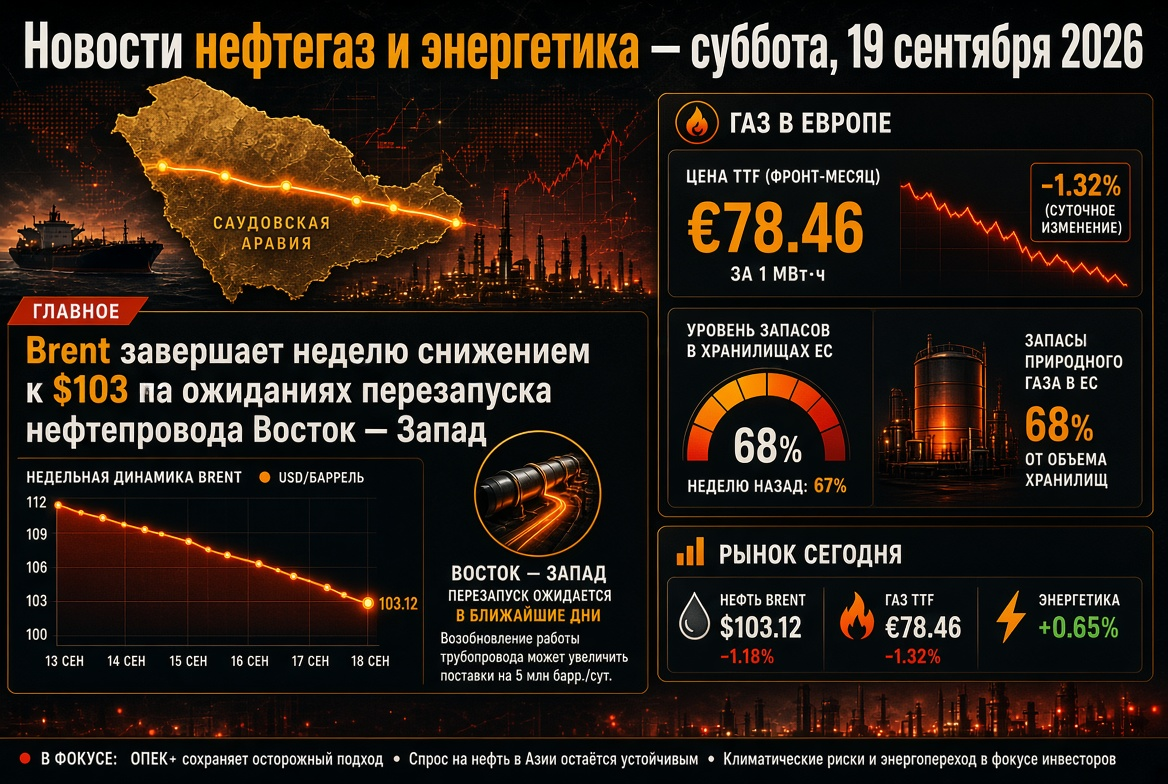
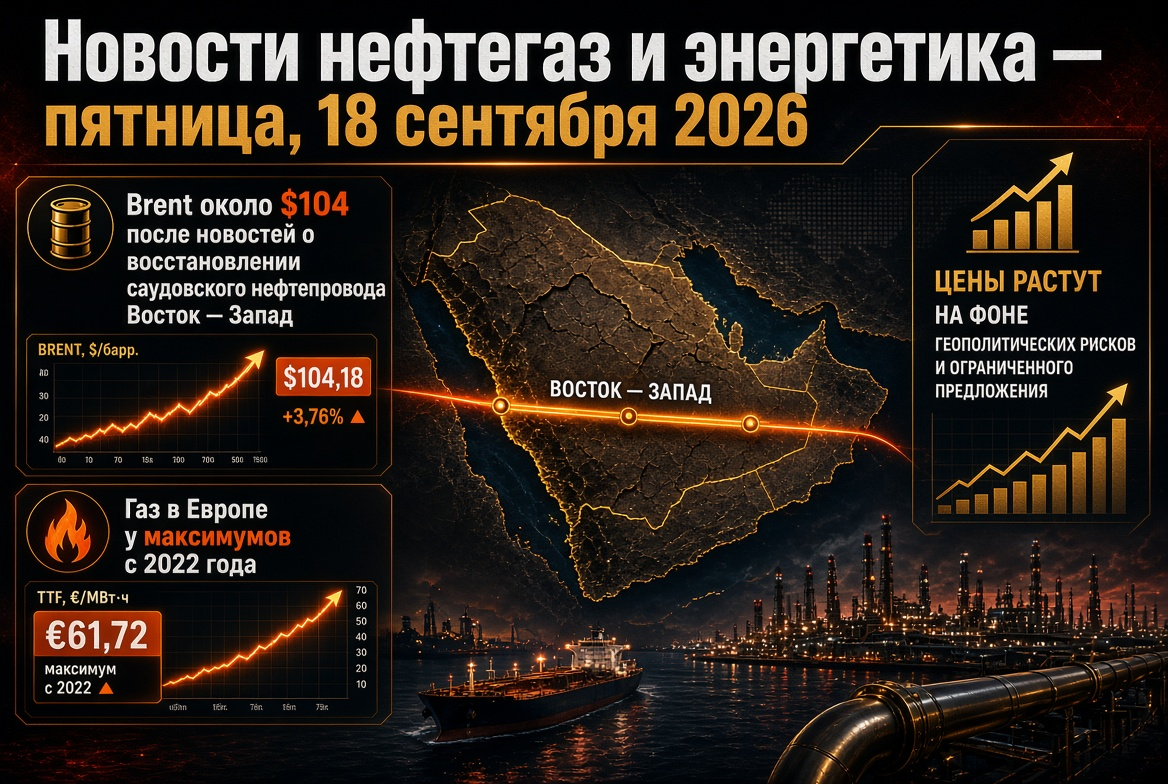
In recent sessions, the cryptocurrency market has been following a familiar logic for investors: "risk-on/risk-off." As global portfolios rotate back to risk, support emerges for digital assets and associated public companies. When anxiety increases, volatility accelerates, and market participants shift to tactical position management. This mode of operation is particularly noticeable against the backdrop of tensions surrounding Iran and risks to oil and gas supplies along strategic routes. For the crypto market, this is significant, but not directly; it operates through an influence chain: energy → inflation expectations → interest rate trajectory → overall risk appetite.
For investors, the conclusion is straightforward: in the short term, cryptocurrencies remain "macro-dependent." Reactions to news from the energy sector and geopolitical developments often hold equal significance to industry drivers like regulation, ETF agendas, or protocol updates. Therefore, the focus is not only on intra-industry news but also on how the overall liquidity regime and cost of capital evolve.
USA: CLARITY Act Stalls, Dispute over Stablecoin Rewards Escalates
The key regulatory intrigue in the United States centers around the attempt to advance the CLARITY Act and establish clearer "rules of the game" for digital assets, including the distribution of roles among supervisory bodies. At this stage, the process again confronts conflicts of interest between the traditional banking sector and the crypto industry. Banks fear that "reward" models for stablecoins could incentivize a shift of funds from deposit bases to digital counterparts, potentially narrowing the resource base for lending and increasing sensitivity to liquidity stresses.
Representatives from the crypto market, on the contrary, view rewards as a market mechanism for competition and product scaling — essentially, as a marketing-financial extension that speeds up the adoption of stablecoins and lowers entry barriers for users. The political context intensifies the discussion: regulation is becoming part of the public agenda, and the tone of comments is more assertive than in previous cycles.
From the market perspective, prolonged negotiations signify an increase in the regulatory risk premium. This applies to exchanges, custodial services, token issuers, and the DeFi segment. Additionally, the risk of liquidity fragmentation across jurisdictions remains: capital and trading volumes flow to where the regulatory framework is clearer and access to products is broader.
Institutional Demand and ETFs: What Capital Flows Indicate
In 2026, institutional interest in crypto assets is most often read through the infrastructure channels for capital placement — primarily through exchange-traded products and publicly observable flows. The market is seeing discussions about a return of net inflows into spot crypto-ETFs following a period of heightened turbulence. For investors, the absolute figures are less critical than their stability and context: inflows during market stabilization are typically interpreted as a signal of "gradual accumulation," while sharp fluctuations in flows reflect arbitrage strategies and tactical decisions.
The quality of demand is critically important. Long-term allocation by major players may gradually reduce the risk premium and support the market even under moderately tight financial conditions. Conversely, if the flows are predominantly short-term, the effect on trend stability is limited: the market swiftly returns to range-trading modes dominated by news and macro triggers.
Infrastructure and Banks: Integrating the Crypto Market into Payment Rails
One of the most significant developments at the intersection of traditional finance and crypto infrastructure is the expansion of access for certain players to key payment mechanisms. For the institutional segment, this is not merely "symbolic recognition," but a practical narrative about transaction speed, predictability of fiat flows, and reduction of operational risks. The fewer intermediaries involved in transactions, the lower the likelihood of delays, making it easier to structure corporate treasury processes.
Such infrastructural shifts support the overall trend of institutionalization in the crypto industry. The market is evolving not only through investment products like ETFs but also through "rails" — payment and settlement mechanisms that enhance trust, transparency, and manageability of operations. For investors, this signifies a gradual shift of some risks from "does the market exist" to "how it will be structured and who will be the main infrastructural beneficiary."
Derivatives and Regulation: Preparing the Framework for Crypto Perpetuals
The derivatives segment remains the primary source of liquidity and, at the same time, a driver of volatility in the crypto market. Perpetual contracts are key tools for hedging and speculative strategies; however, historically, a significant portion of trading activity has concentrated on platforms outside the U.S. The regulatory focus on establishing frameworks for such products could change the market structure: some liquidity may "relocate" to a more transparent and controlled environment if the rules are competitive compared to offshore jurisdictions.
For investors, this represents a dual signal. On one hand, regulated perpetuals on major infrastructures expand hedging capabilities and attract more conservative capital. On the other, competition among platforms intensifies, bringing margin requirements, risk management, and oversight to the forefront. The ultimate market reaction will depend on how well the new framework balances product availability and acceptable levels of control.
Stablecoins under the Spotlight: Europe, the USA, and the "Stress Test" of Trust
The year 2026 increasingly appears to be the era of "stablecoin geopolitics": different regions are solidifying different models. The European approach centers around maximum stability and control: unified admission, supervision, and infrastructure requirements aim to reduce systemic risks. Importantly, a key principle remains that stablecoins should not mimic deposit products — hence, the topic of "yield" and economic incentives surrounding token ownership is subject to particular regulatory scrutiny.
The American logic is different in mechanics but similar in goals: to separate the payment function from the investment one and delineate requirements for issuers and distribution channels. As a result, the market finds itself with two parallel regulatory philosophies, forcing global players to design products to function across multiple modes — each with different risk interpretations and allowable incentives.
A separate issue concerns trust and stability of peg. Any incidents surrounding stablecoins quickly become litmus tests: the market evaluates not only the technical aspects but also communication, transparency of reserves, speed of peg recovery, and the team's crisis management capabilities. Concurrently, concerns persist regarding major participants in the segment: investors closely monitor the structure of reserves, stability buffers, and asset quality, as stablecoins have become a "liquidity foundation" for a significant portion of the crypto economy.
Investor Focus for March 6: Macro Triggers, Risk Contours, and the Top 10 Popular Cryptocurrencies
Fridays traditionally remain days when the market can accelerate in response to macro events and sharp news headlines. For cryptocurrencies, this is especially crucial during periods of heightened sensitivity to interest rates and the value of the dollar, when external data can rapidly shift expectations regarding monetary policy. Thus, on the investor's agenda are not only crypto news but also macro statistics that set the tone for the global "risk regime."
Practical Checklist for the Day
- Regulatory Signals from the USA: any movements toward compromise on market structure and stablecoin rules decrease uncertainty and may support the sector.
- Institutional Flows: the dynamics of inflows/outflows into exchange-traded products help clarify whether "accumulation" or tactical trading dominates.
- Infrastructure News: expanded access to settlements and payment rails impacts the speed of institutional adoption and the stability of fiat liquidity.
- Cyber and Operational Risks: even with market growth, vulnerabilities in infrastructure, device compromises, and management mistakes remain key sources of sudden downturns.
Top 10 Most Popular Cryptocurrencies
Global investors continue to focus on the largest assets by capitalization and liquidity — these are what determine the market's "temperature" and set benchmarks for institutional demand. The most popular coins form the basis of portfolio strategies, and the dynamics of market dominance by leaders influence capital distribution between "blue chips" and altcoins.
- Bitcoin (BTC)
- Ethereum (ETH)
- Tether (USDT)
- BNB (BNB)
- XRP (XRP)
- USDC (USDC)
- Solana (SOL)
- TRON (TRX)
- Dogecoin (DOGE)
- Cardano (ADA)
Conclusion of the Day: The agenda for March 6, 2026, takes shape at the intersection of U.S. regulation, institutional flows, infrastructure development, and macro background. For the long-term investor, the pivotal line is the continuation of the institutionalization of the digital assets market and the strengthening of "rails" for settlements. For the tactical participant — monitoring volatility, attentiveness to macro triggers, and readiness to react swiftly to news on regulation and stablecoins.