Current Cryptocurrency News on Friday, May 15, 2026: Bitcoin Near $80,000, Outflows from Spot Bitcoin ETFs, Digital Asset Regulation in the USA, Dynamics of Ethereum, XRP, Solana, and Top-10 Cryptocurrencies for Investors
The cryptocurrency market approaches Friday, May 15, 2026, in a cautiously tense state. Following a period of growth, investors are taking profits, and global market attention is shifting towards three key factors: Bitcoin's dynamics near the psychological level of $80,000, outflows from spot Bitcoin ETFs, and the advancement of new digital asset regulations in the USA. For investors, this is not just another trading day, but a moment when cryptocurrencies are once again tested for resilience against macroeconomic pressure, political decisions, and changes in institutional demand.
The main theme of the day is the balance between the long-term institutionalization of the crypto market and short-term volatility. Bitcoin remains the central asset of the cryptocurrency market, Ethereum retains its status as a key infrastructure platform, stablecoins become objects of regulation, and altcoins exhibit a more heterogeneous dynamic. For the global audience of investors, this means the necessity to look not only at prices but also at capital structure, liquidity, legislative initiatives, and the behavior of major funds.
Bitcoin Remains the Main Indicator of Investor Sentiments
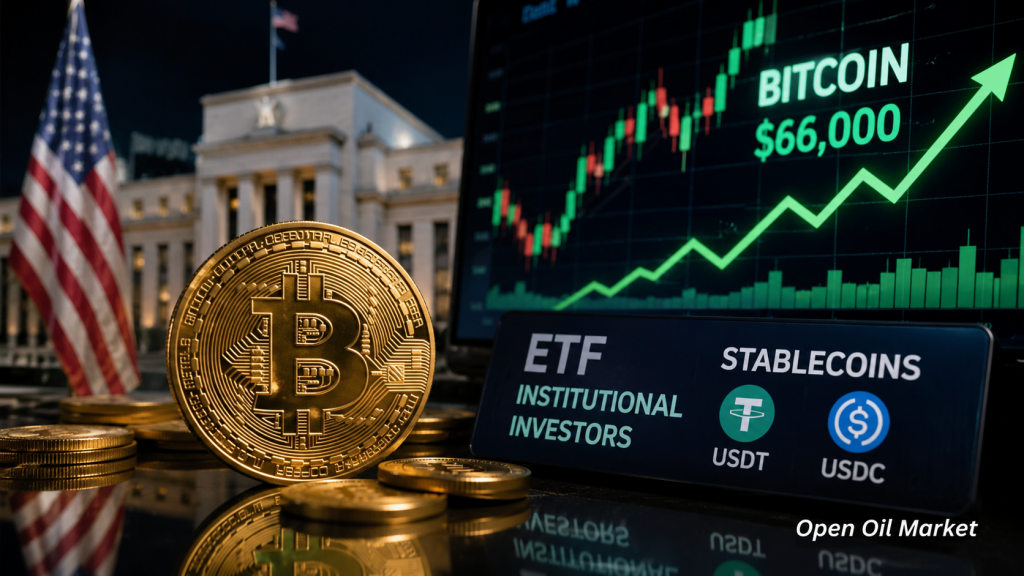
Bitcoin trades near the $80,000–$81,000 zone, maintaining its status as the primary barometer of the cryptocurrency market. This level is significant not only from a technical perspective but also psychologically: after strong movements, investors assess whether BTC can hold its value in the face of rising bond yields, strict rate expectations, and increased volatility in global markets.
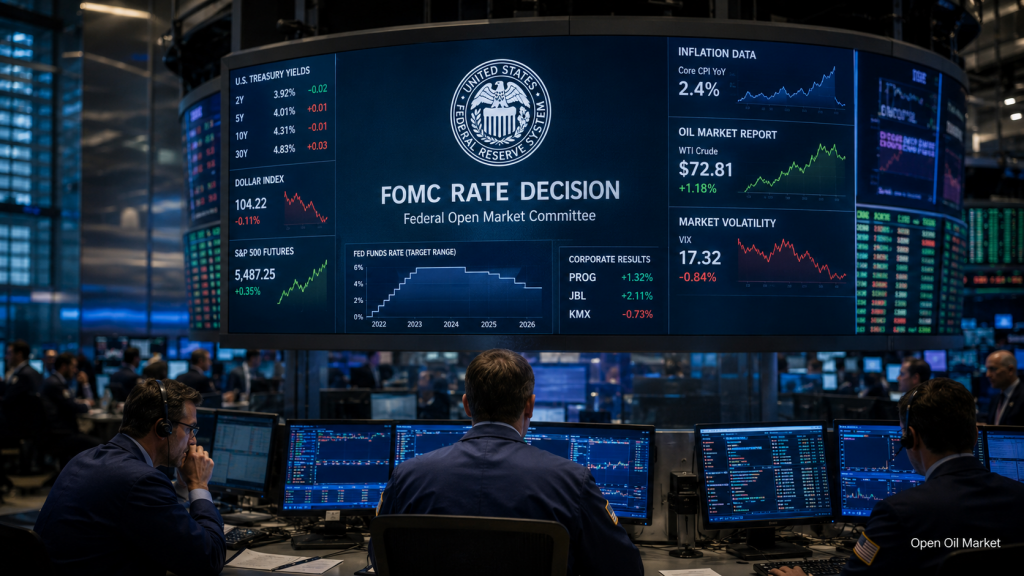
Currently, Bitcoin is perceived not as an isolated digital asset but as part of a broader system of risky instruments. Its dynamics depend on the dollar, FOMC rate expectations, ETF flow, geopolitical risks, and interest from institutional investors. While BTC remains around the key range, the market retains a chance for stabilization, but a sharp drop below $80,000 could intensify pressure on altcoins.
- The key focus area for investors is the zone around $80,000.
- Strong support for Bitcoin helps maintain the capitalization of the crypto market.
- A risk for the market is the continuation of outflows from spot ETFs and a strengthening dollar.
Outflows from Spot Bitcoin ETFs Increase Market Caution
One of the main factors causing pressure remains the capital flows into spot Bitcoin ETFs. After several weeks of interest from institutional investors, the market has faced noticeable outflows. This does not automatically signal a reversal of the long-term trend but indicates that major players have become more selective and sensitive to macroeconomic data.
For investors, it is essential to understand: Bitcoin ETFs have become a new channel for liquidity, but they have also heightened the connection between cryptocurrencies and traditional financial markets. If funds see inflows, BTC receives additional support. If outflows begin, the market reacts more swiftly with reductions and increased intraday volatility. On Friday, ETF flows will be one of the main indicators of the strength or weakness of demand.
Ethereum Maintains Its Role as an Infrastructure Asset
Ethereum trades around $2,250–$2,300 and remains the second most significant cryptocurrency in the global market. Unlike Bitcoin, which is perceived as a digital reserve asset, Ethereum is valued by investors through the lens of blockchain infrastructure: smart contracts, DeFi, tokenization of real assets, stablecoins, NFT infrastructure, and corporate blockchain solutions.
The weakness of ETH relative to historical highs indicates investor caution towards the altcoin sector, but Ethereum's fundamental role remains intact. For long-term capital, ETH remains a key asset in the Web3 and decentralized finance segments. However, the short-term dynamics of Ethereum will depend on overall risk appetite, DeFi activity, and the network's ability to maintain its leadership amid competition from Solana, BNB Chain, and other blockchains.
Top-10 Most Popular Cryptocurrencies to Watch
For investors monitoring the cryptocurrency market globally, it is essential to pay attention not only to Bitcoin but also to the structure of the largest digital assets. The Top-10 cryptocurrencies by market capitalization reflect a balance between reserve assets, infrastructure blockchains, stablecoins, and speculative coins.
- Bitcoin (BTC) — the main digital asset and primary indicator of demand for cryptocurrencies.
- Ethereum (ETH) — the largest smart contract platform and the basis for the DeFi sector.
- Tether (USDT) — the largest stablecoin and a key liquidity instrument in the crypto market.
- BNB (BNB) — the token of the Binance ecosystem and one of the leaders in the infrastructure segment.
- XRP (XRP) — an asset associated with cross-border payments and regulatory agendas.
- USDC (USDC) — a regulated dollar stablecoin sought after by institutional participants.
- Solana (SOL) — a high-performance blockchain popular in DeFi, NFT, and consumer applications.
- TRON (TRX) — a network with high activity in stablecoin transfers.
- Dogecoin (DOGE) — the largest meme token, sensitive to retail demand and market sentiment.
- Cardano (ADA) — a blockchain project focused on a research approach and ecosystem development.
XRP Stands Out in a Cautious Altcoin Market
Amid the weakness of some altcoins, XRP remains one of the most notable assets for short-term observation. Investors are watching for levels around $1.45–$1.50, as a solidification above this zone may increase interest in the asset. For XRP, the regulatory component is particularly crucial: any signs of greater clarity in the USA can quickly alter the risk assessment from institutional players.
However, investors should remain cautious. The rise of XRP often accompanies high speculative activity, and technical levels can quickly lose significance amid a general deterioration in market sentiment. In the current situation, XRP is intriguing as an asset with a distinct regulatory catalyst but not as a risk-free alternative to Bitcoin or Ethereum.
Stablecoins Become the Center of Global Regulation
Stablecoins are moving beyond the internal infrastructure of crypto exchanges and are increasingly viewed as a component of the future payment system. USDT and USDC remain key instruments for liquidity, settlements, and storing dollar value within the crypto market. This is why regulators in the USA and Europe are paying heightened attention to reserves, yield, user protection, and the connection of stablecoins with the banking system.
In the USA, the discussion around the CLARITY Act intensifies the importance of the stablecoin topic. One of the most sensitive issues is whether crypto companies can pay rewards for holding dollar tokens. The banking sector sees this as a risk of competition with deposits, while the crypto industry perceives strict regulations as a threat to innovation. For investors, the outcome of this debate is significant as it will define the future model of yield, liquidity, and digital dollar regulation.
Regulation in the USA May Become the Main Event of May
The consideration of the cryptocurrency bill in the US Senate stands as one of the key factors for the digital asset market. If the legislative framework becomes clearer, it may reduce the regulatory risk premium and open the door for broader participation from banks, funds, brokers, and payment companies. In such a scenariøn, cryptocurrencies may receive a new institutional boost.
However, there is also a downside. Stricter requirements for exchanges, brokers, DeFi platforms, and stablecoins may increase business costs and strengthen pressure on weaker projects. Hence, it is critical for investors to differentiate between two levels of regulatory influence:
- Positive Effect: Greater legal clarity, increased trust from major players, easier launch of regulated products.
- Negative Effect: Increased compliance requirements, pressure on unregulated projects, reduction in yield for certain stablecoin models.
Macroeconomics Remains a Key Risk for Cryptocurrencies
News about cryptocurrencies on May 15, 2026, cannot be considered separately from macroeconomics. Higher inflation, a strong dollar, and expectations of a prolonged period of tight monetary policy limit risk appetite. In such an environment, investors tend to choose liquid assets more frequently, reduce leverage, and take profits in the most volatile instruments.
For Bitcoin, this means a test of the thesis about being a digital hedge asset. When inflation rises, some investors expect BTC to strengthen as an alternative store of value. However, if bond yields are also rising and the dollar strengthens, cryptocurrencies may behave like risky tech assets. It is this conflict that currently defines market sentiment.
What Investors Should Monitor on Friday
On Friday, May 15, 2026, investors should keep an eye not on a single indicator but on a combination of signals. The cryptocurrency market has matured, but it has also become more dependent on institutional capital and regulatory decisions. Therefore, short-term dynamics can change swiftly even without major news within the blockchain sector.
- Will Bitcoin maintain the range around $80,000?
- Will outflows from spot Bitcoin ETFs continue?
- Will Ethereum hold the zone around $2,250–$2,300?
- Can XRP establish itself above the significant resistance zone?
- How will the market react to the advancement of the CLARITY Act in the USA?
- Will demand for stablecoins rise amid cautious investor sentiment?
- Will signs of capital returning to Solana, BNB, TRON, Dogecoin, and Cardano emerge?
The Crypto Market Awaits Signals from Capital and Regulators
As cryptocurrencies enter Friday, they do so in a state of cautious equilibrium. Bitcoin remains the primary benchmark, Ethereum preserves its fundamental importance for blockchain infrastructure, stablecoins become objects of systemic regulation, and altcoins depend on investors' willingness to embrace risk once more. For the global market of digital assets, May 2026 could represent a significant period of transition from a speculative phase to a more regulated and institutional model.
For investors, the main takeaway is that the cryptocurrency market remains promising but requires more stringent risk management. In the context of outflows from ETFs, macroeconomic pressure, and active regulatory engagement, it is not the most vocal projects that thrive but rather assets with liquidity, genuine demand, transparent infrastructure, and sustainable roles in the global financial system.