Economic Events, Friday, May 1, 2026: Manufacturing PMI, Labor Day, and Reports from ExxonMobil, Chevron, Linde, and Aon
Friday, May 1, 2026, will be an atypical trading session for global markets: a significant portion of Europe, Asia, Latin America, and emerging markets will be closed due to Labor Day, while the U.S. and the U.K. will continue trading. For CIS investors, this day is crucial for three reasons: the release of manufacturing PMI indices, reports from major public companies, and the energy factor related to the cessation of Kazakh oil transport to Germany through the Druzhba pipeline.
The primary focus of the day is the industrial cycle. The Manufacturing PMI in Australia, Japan, the U.K., Canada, and the U.S. will indicate how resilient global demand remains amid high raw material prices, tense logistics, and central banks' heightened sensitivity to inflation risks. Simultaneously, the market will evaluate reports from ExxonMobil, Chevron, Linde, Aon, Colgate-Palmolive, Dominion Energy, Cboe Global Markets, LyondellBasell, Church & Dwight, Moderna, Estée Lauder, Lear, and several other large international companies.
Global Trading Context: Some Markets Closed, U.S. Remains a Liquidity Hub
On May 1, there will be no trading in China, Brazil, India, France, Germany, Italy, Switzerland, South Africa, and Turkey due to Labor Day. This means that liquidity in stocks, commodity contracts, and local currencies will be lower than usual. For the Euro Stoxx 50 index and several European securities, a full market reaction to news may be delayed until the next session.
Meanwhile, the U.S. and the U.K. will trade normally, so the primary investor reaction to economic events and corporate reports will be concentrated in the U.S. indices S&P 500, Nasdaq 100, and Dow Jones, as well as in the U.K.'s FTSE 100. For investors trading on the MOEX and in ruble-denominated assets, an additional factor will be the resumption of the Russian Finance Ministry's operations with currency and gold within the framework of the budget rule.
- U.S.: open, key focus on Manufacturing PMI and major company reports before market open.
- U.K.: open, important Manufacturing PMI and NatWest report.
- Europe: most major continental markets closed due to the holiday.
- Asia: focus on Japan and reports from trading houses, despite a reduced global news flow.
- Russia: key factor is the budget rule, currency market, and response of ruble assets to commodity prices.
Macroeconomic Calendar: Manufacturing PMI Sets the Tone for the Industrial Cycle
The manufacturing PMI indices are the main macroeconomic block of the day. For investors, this data is significant as it reflects new orders, production, employment, procurement prices, and the state of supply chains. Against the backdrop of rising raw material costs and ongoing geopolitical tensions, the PMI will indicate how capable the global industry is of withstanding cost pressures.
- 02:00 MSK — Australia: Manufacturing PMI for April.
- 03:30 MSK — Japan: Manufacturing PMI for April.
- 11:30 MSK — U.K.: Manufacturing PMI for April.
- 16:30 MSK — Canada: Manufacturing PMI for April.
- 16:45 MSK — U.S.: S&P Global Manufacturing PMI for April.
- 17:00 MSK — U.S.: ISM Manufacturing PMI for April.
The most important indicator of the day will be the ISM Manufacturing PMI in the U.S. If the index confirms the expansion of the industrial sector, it will support cyclical stocks, energy, industrial companies, and commodity assets. Conversely, if the data falls short of expectations, the market may revert to the idea of an economic slowdown, increasing demand for defensive sectors: healthcare, utilities, consumer staples, and high-dividend companies.
U.S.: ExxonMobil and Chevron Reports to Test Resilience of Oil and Gas Sector
The main corporate reports of the day in the U.S. will be from ExxonMobil and Chevron. For the global market, this is not just quarterly reporting from oil giants, but also an indicator of the state of the entire oil and gas sector. Investors will focus on free cash flow, capital expenditures, production, refining margins, dividends, and share buybacks.
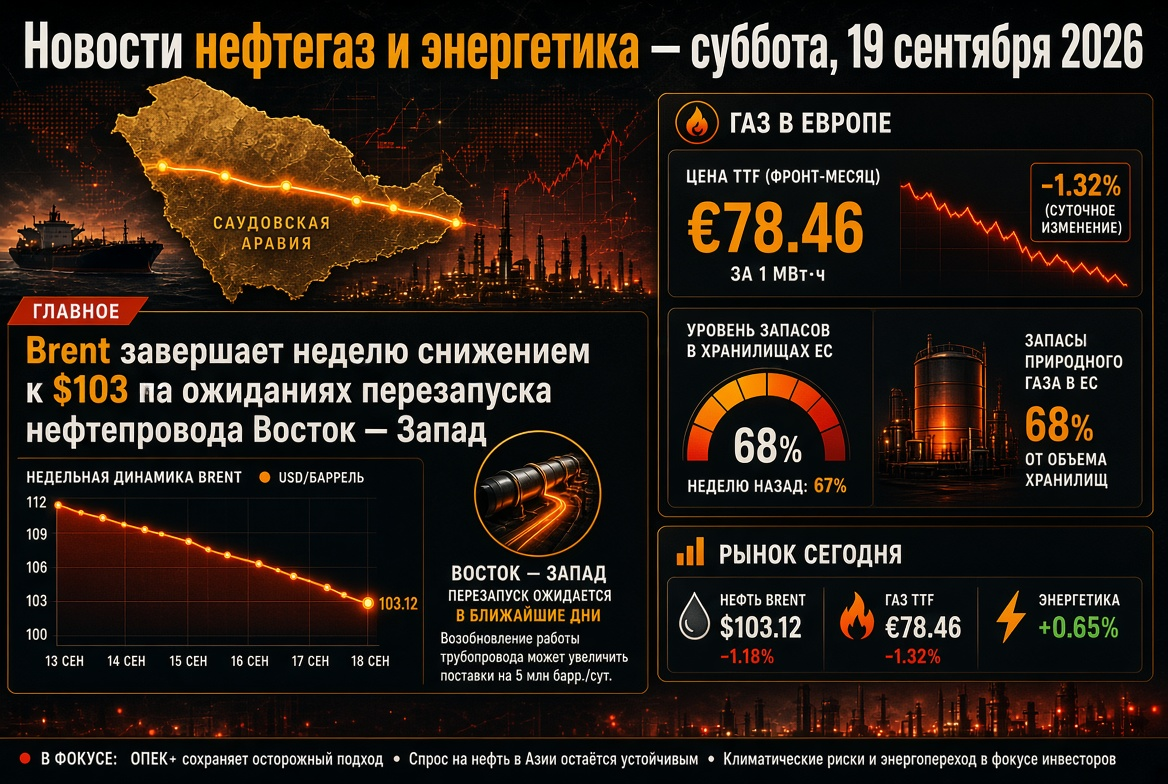
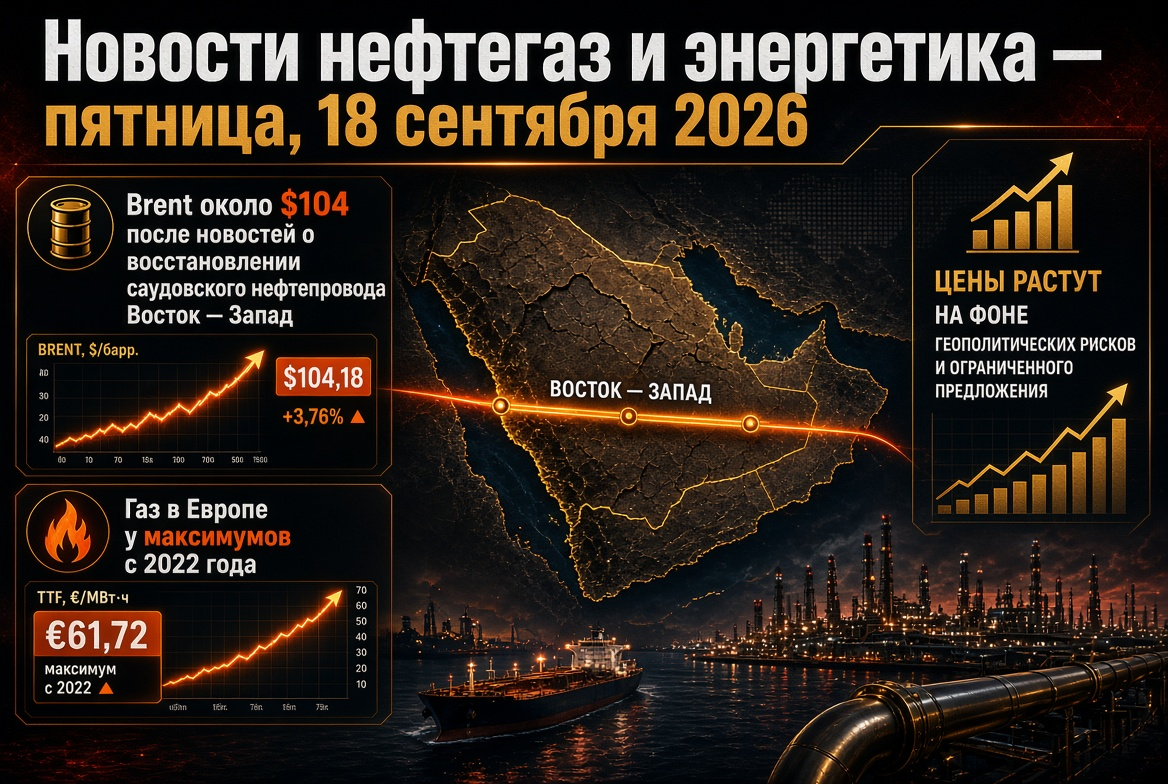
Management comments on oil prices, LNG supplies, geopolitical risks, and logistics will be of particular importance. Amid the cessation of Kazakh oil transport to Germany via Druzhba and the search for alternative routes for the Schwedt refinery, energy security in Europe emerges as a significant investment topic. For ExxonMobil and Chevron stocks, high oil prices may be a positive factor, but the market will also closely assess potential pressure on the downstream segment and hedging operations.
Industry, Chemicals, and Infrastructure: Linde and LyondellBasell to Show Real Sector Health
Linde's report is one of the key indicators of industrial demand. The company operates in the industrial gases and engineering solutions segment, making its results vital for understanding activity in metallurgy, chemicals, healthcare, electronics, and energy. Investors will evaluate margins, new contracts, capital projects, and demand from large industrial clients.
LyondellBasell will provide insights into the chemical and petrochemical sectors. Key metrics for this company include spreads, capacity utilization, demand for polymers, trends in raw material costs, and consumption in construction, packaging, and automotive sectors. If the report indicates margin pressure, it may increase investor caution regarding cyclical sectors.
Finance and Market Infrastructure: Aon, Cboe, and NatWest in Focus
Aon will report in the insurance brokerage and risk management sector. For investors, organic revenue growth, margins, integration of acquired assets, and demand for corporate insurance are critical. In the context of high geopolitical and climate uncertainty, the demand for risk management remains a structural topic for the financial sector.
Cboe Global Markets is interesting as an indicator of market volatility. If the company reports increased volumes in options and derivatives trading, it will confirm that investors are actively hedging portfolios amid an unstable macroeconomic environment. The NatWest report is important for assessing the U.K. banking sector: the market will look at net interest margins, the quality of the loan portfolio, and the sensitivity of earnings to Bank of England rates.
Consumer Sector and Healthcare: Colgate-Palmolive, Church & Dwight, Estée Lauder, and Moderna
Colgate-Palmolive and Church & Dwight represent the defensive consumer sector. Their reports will help gauge how resilient demand for consumer goods is amid high living costs. For investors, important metrics include organic sales growth, pricing policies, gross margin, and trends in emerging markets.
Estée Lauder will signal performance in the premium cosmetics and discretionary segments. Here, the main focus will be on recovering demand in Asia, travel retail, margins, and potential strategic transactions. Moderna remains a key stock in the biotechnology sector; the market will evaluate vaccine revenues, research expenses, cash position, and progress on the product lineup.
International Reports: Japan, Canada, India, and Global Industrial Supply Chain
In addition to American companies, investors will follow significant international issuers on May 1. Among Japanese firms, Mitsubishi, Mitsui, Marubeni, Sumitomo, Itochu, Sojitz, M3, and Seiko Epson stand out in the calendar. These reports are crucial for the Nikkei 225 index and for assessing the Asian corporate cycle, especially in trade, technology, raw materials, and industrial logistics.
In Canada, TC Energy, Canadian Pacific Kansas City, Imperial Oil, Telus, and Magna International will attract attention. These companies provide a broad overview of the economy: energy infrastructure, rail transport, the oil sector, telecommunications, and automotive components. For investors, this represents an important set of signals about the state of North America outside the U.S.
Among other international reports, Britannia Industries, Inbursa, and several mid-cap companies are noteworthy. However, due to the closure of some local markets, a full trading reaction may shift to the next working session.
Russian Focus: Budget Rule, Ruble, and Commodity Factor
For Russian investors, the key event of the day is the resumption of the Finance Ministry's operations with foreign currency and gold as part of the budget rule starting May 2026. This factor is important for the ruble, OFZs, commodity companies, and exporters. If operations are perceived by the market as a stabilizing mechanism, currency volatility may decrease. However, if the volume of operations is substantial, the ruble could face additional pressure or support depending on the direction of the trades.
An additional external factor is the Druzhba pipeline. The halt of Kazakh oil supplies to Germany starting May 1 increases attention to supply routes, European refineries, and oil and diesel prices. For the Russian market, this is significant through commodity quotes, export expectations, and perceptions of energy risks in Europe.
What to Look for as an Investor on May 1, 2026
- ISM Manufacturing PMI in the U.S.: the main macro indicator of the day for assessing the industrial cycle and inflation pressure.
- Reports from ExxonMobil and Chevron: keys to understanding the oil and gas sector's margins, free cash flow, and dividend sustainability.
- Linde and LyondellBasell: indicators of industrial demand, chemicals, petrochemicals, and capital investments.
- Cboe and Aon: signals regarding volatility, insurance, financial infrastructure, and demand for risk management.
- Consumer Companies: Colgate-Palmolive, Church & Dwight, and Estée Lauder will demonstrate the resilience of final demand.
- Russia and the Ruble: the Finance Ministry's budget rule may become an important factor for the currency market and ruble assets.
- European Energy: the situation around Druzhba increases the significance of oil, oil products, and logistics for supplies.
Overall, Friday, May 1, 2026, will be a day characterized by reduced global liquidity but a high concentration of important signals. The main task for investors is not to overestimate movements in individual assets in a thin market and to carefully correlate corporate reports with macroeconomic data. If the PMI confirms industrial expansion and the oil giants demonstrate strong cash flow, the market may maintain demand for cyclical and commodity assets. Conversely, if the data points to rising costs and slowing orders, the priority may shift back to defensive sectors, quality dividend stocks, and cautious risk management.