Oil Market: Brent Between $84 and $87 Amid Attacks on Tankers
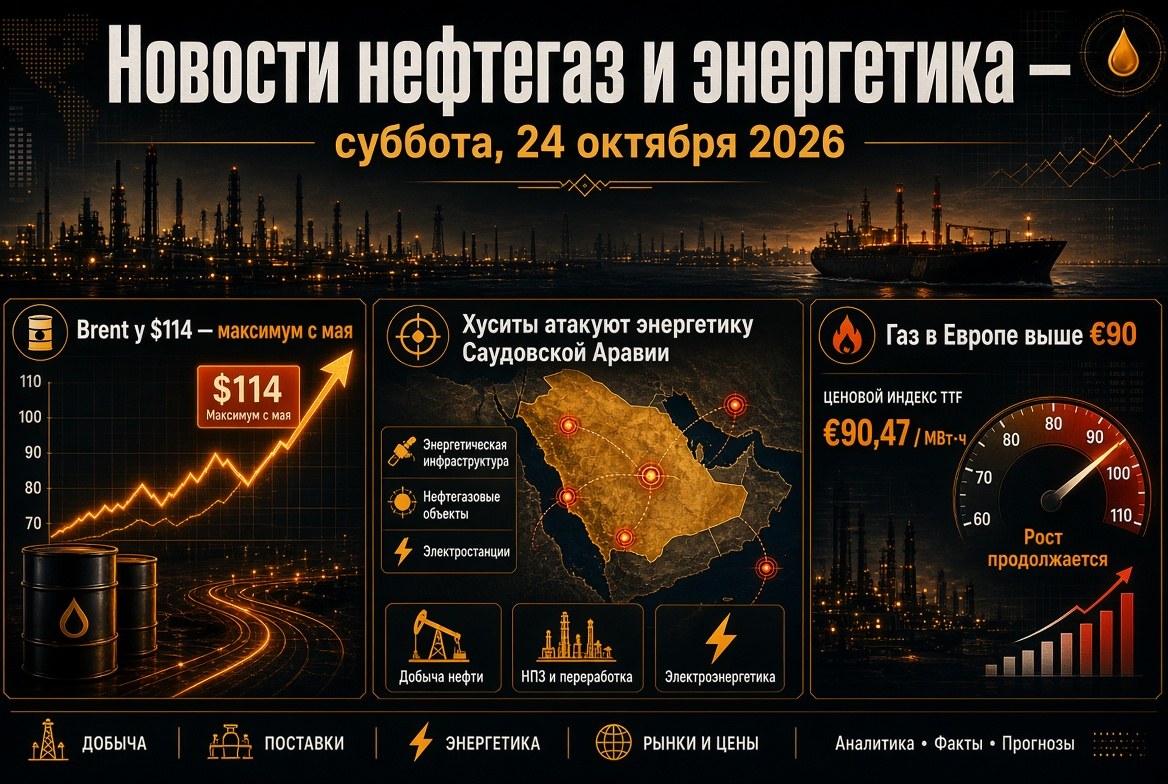
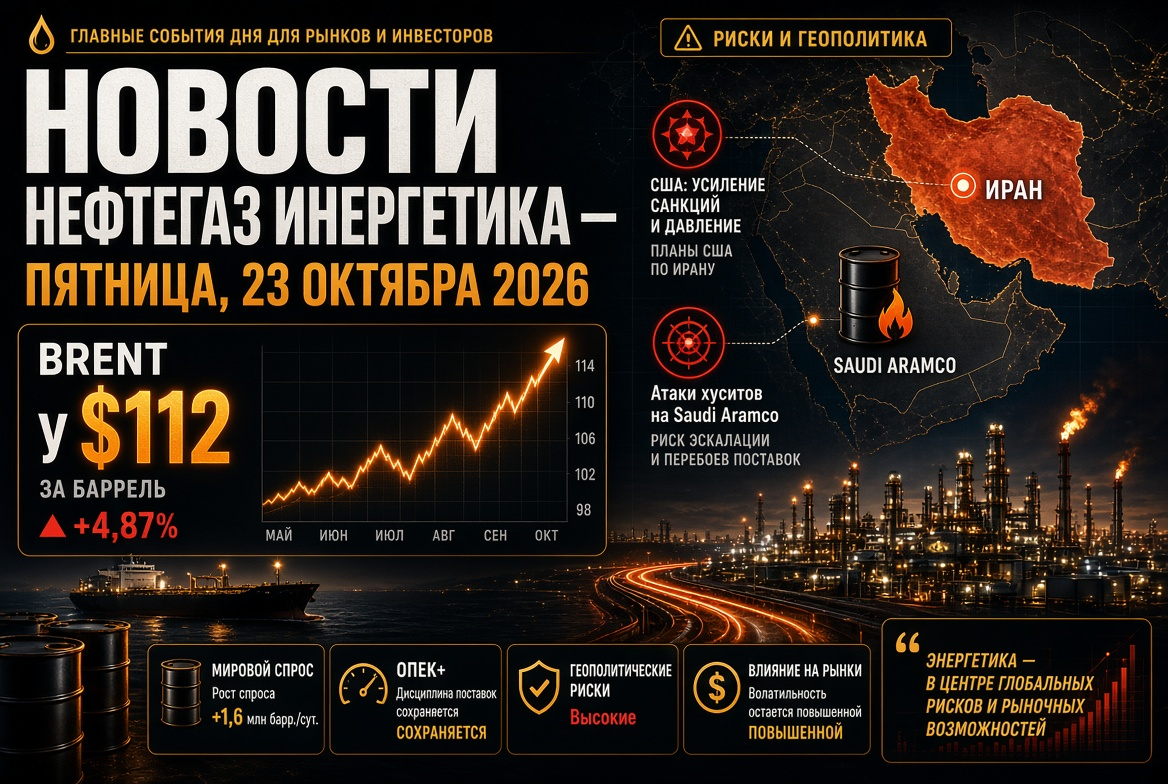
Oil prices are exhibiting heightened volatility. After a nearly 5% drop at the beginning of the week — falling to $84 per barrel for Brent — the market rebounded on Wednesday, with September futures for Brent climbing above $87, while WTI was trading around $82. Several events acted as catalysts for this increase:
- Attacks on Tankers in the Strait of Hormuz: Iran's Revolutionary Guard announced strikes on three oil tankers that were following an "unauthorized" route. Transit between the Persian Gulf and the Gulf of Oman remains extremely limited, with portions of the routes mined.
- Strikes on Military Installations: Iran launched missile strikes on American bases in the region, while the U.S. and Saudi Arabia conducted joint operations in Iraq. Iraqi oil exports are decreasing due to disruptions in shipments.
- Logistics Realignment: Saudi Arabia is redirecting some supplies to avoid conflict zones — shipments through the Suez Canal have notably increased, although the Houthis threaten maritime navigation in the Bab-el-Mandeb Strait.
Some analysts do not rule out the possibility of Brent rising to $100 per barrel in the event of further escalation. However, factors such as slowing global oil demand, a strong dollar, and sell-offs in Asian stock markets remain constraints on price increases.
OPEC+: The 'Seven' Concludes Recovery of Production
The OPEC+ alliance, now restructured without the UAE, which left the organization in May, continues its strategy of gradually increasing supply. For August, the quotas for the 'seven' (Saudi Arabia, Russia, Iraq, Kuwait, Kazakhstan, Algeria, Oman) have been raised by 188,000 barrels per day, bringing the total target level to 36 million b/d. The final step is expected to be approved at the meeting on August 2 — an additional +188,000 b/d for September, which will completely phase out the voluntary limitation package of 1.65 million b/d. From February to August, the total quota has increased by approximately 940,000 b/d. However, actual production for several participants significantly lags behind permitted levels due to the Middle Eastern conflict, which softens the market balance effect of the quota increase.
Gas Market: TTF Nearing March Highs, EU Gas Storage Only 55% Full
The European gas market is entering a high-risk zone ahead of the heating season. TTF hub prices reached €64/MWh (around $750 per thousand cubic meters) at the end of July — a peak not seen since mid-March. Key issues for the EU include:
- Record Low Stocks: EU gas storage is about 55.3% full — the lowest for this date since 2021 (compared to 76.2% a year ago and 83.7% in 2024).
- Slowing Injection Rates: Daily storage injection rates are 20% lower than last year; a net injection of at least 68 billion cubic meters is required to reach the 90% norm by winter.
- LNG Shortages: Daily liquefied natural gas imports fell to a 22-month low in July, as Asia is purchasing free volumes due to the Middle Eastern crisis and supply risks from the Persian Gulf.
- Heat and Power Demand: Extreme temperatures in Europe are increasing output at gas-fired power plants to fulfill air conditioning needs.
Forecasts indicate that storage levels might not even reach 75% by the start of winter, setting the stage for high price volatility in the fourth quarter. Meanwhile, a daily record of pipeline deliveries of Russian gas to China has been updated on the eastern front.