Latest Oil, Gas & Energy Sector News for June 7, 2026: Impact of OPEC+, Strait of Hormuz Risks, and Prices of Crude, Gas, LNG, Coal, Renewables, Refineries & Petroleum Products on Global Energy Markets and Investors
The oil, gas, and energy sector news for Sunday, June 7, 2026, is shaping up to be one of the most intense global energy sector agendas in recent months. Investors remain focused on OPEC+, constrained logistics through the Strait of Hormuz, persistently high geopolitical risk premiums, the state of crude and petroleum product inventories, the competition for LNG, rising electricity demand from data centres, and the role of coal as a backup generation source in Asia.
For energy market participants, the current situation means a shift from classic supply-demand balance analysis to a more complex model where logistics, sanctions risks, tanker fleet availability, refinery health, inventory levels, and investments in energy infrastructure are equally critical. Crude oil, gas, electricity, renewables, coal, and petroleum products are increasingly viewed by investors not as separate markets but as an integrated energy security system.
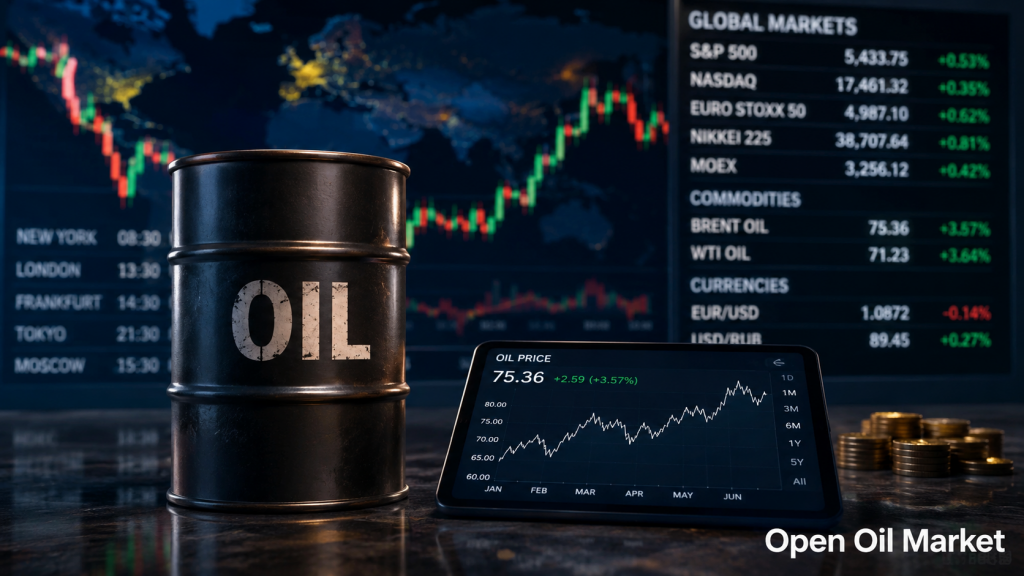
Crude Oil Market: Brent and WTI Remain Under Geopolitical Premium Influence
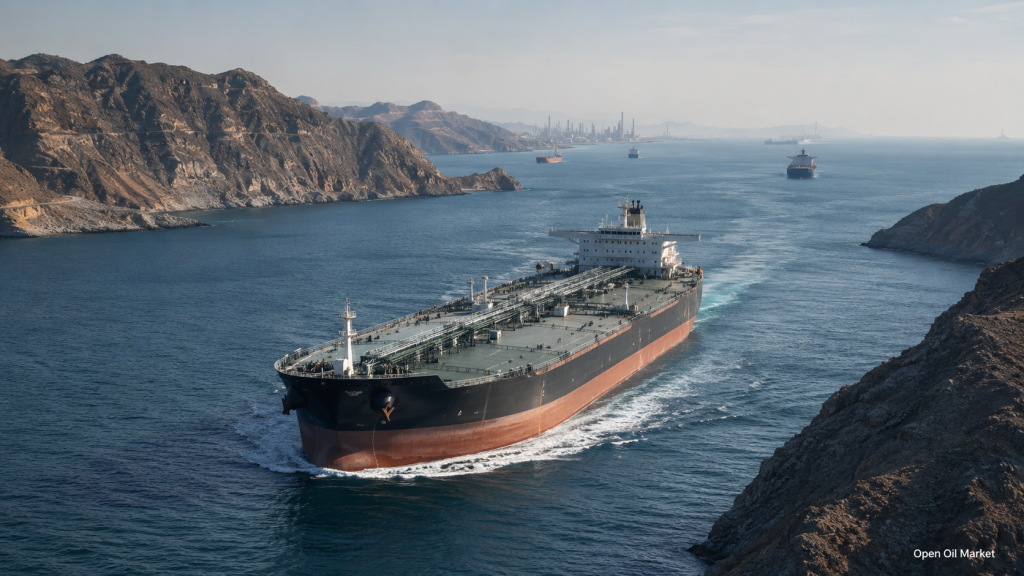
The global crude oil market is ending the week with heightened sensitivity to news from the Middle East. Brent holds above levels the market considered baseline before logistics risks escalated, while WTI enjoys support from strong demand for US crude from Europe and Asia. Nevertheless, prices remain volatile: hopes for de-escalation occasionally lower prices, but restricted movement through the Strait of Hormuz prevents the market from fully removing the risk premium.
For oil companies and investors, the key question is not only the current barrel price but the stability of physical deliveries. If logistics constraints persist, the crude market could face further draws on commercial inventories, rising insurance costs, altered supply routes, and additional strain on alternative supply sources — the US, Brazil, Argentina, Canada, and select African nations.
OPEC+: July Quotas Become a Political Signal to the Market
The main event for the oil market this Sunday is the anticipated OPEC+ decision on production parameters for July. The alliance, according to market estimates, may maintain a course of modest quota increases; however, the actual effect of such a decision will be limited. The issue is that some producers physically cannot fully deliver the stated volumes due to logistics restrictions, export risks, and disruptions in the Persian Gulf region.
For investors, this means a formal quota increase does not equal an immediate rise in market supply. Under current conditions, the OPEC+ decision will be interpreted more as a signal of market manageability than a real factor for rapid price reduction. If the alliance confirms a cautious approach, it could temporarily stabilise expectations. But if the market sees a gap between quotas and actual deliveries, the risk premium in crude will persist.
Crude and Petroleum Product Inventories: The US Becomes a Key Balancing Supplier
The US oil market remains one of the main stabilisers of the global supply system. Demand for US crude has risen as European and Asian refineries attempt to replace Middle Eastern volumes. This supports export flows but simultaneously puts pressure on domestic crude inventories.
An important signal for the market is high refinery utilisation rates. For petroleum product producers, this is a positive factor as demand for petrol, diesel, jet fuel, and fuel oil typically increases during the summer season. However, for traders and fuel companies, the situation becomes more complex: higher throughput does not always lead to sustained price declines if feedstock inventories are shrinking, logistics costs are rising, and demand for petroleum products is recovering after short-term dips.
- for refineries, the key factor remains access to stable feedstock;
- for petroleum product suppliers, margins, logistics, and seasonal demand are critical;
- for oil and gas investors, cash flow resilience and export premiums matter;
- for fuel consumers, the risk of sustained high petrol and diesel prices persists.
Gas and LNG: Europe-Asia Competition Intensifies Price Volatility
The gas market also remains in the global energy spotlight. LNG is once again a strategic commodity for which Europe and Asia are competing. The European market is preparing for the gas injection season into storage, while Asian countries face risks from hot weather, rising electricity consumption, and the need to meet industrial demand.
For Europe, a key risk is that filling gas storage may be more expensive than in calmer periods. If Asian LNG demand strengthens, European buyers will have to compete for spot cargoes. This will support gas prices, increase pressure on the power sector, and may worsen margins for energy-intensive industries — chemicals, metals, fertilisers, and construction materials.
For investors in gas infrastructure, the current market looks favourable: LNG terminals, gas transmission capacities, storage facilities, and service companies gain elevated importance in energy security. However, for industrial consumers, high gas volatility remains a risk factor.
Electric Power: Data Centres and AI Are Reshaping Demand
The electric power sector is becoming a separate investment centre in global energy. Rapid growth in data centres, cloud services, and artificial intelligence infrastructure is increasing the need for stable baseload capacity. This is changing the agenda for power systems: not only generation volumes matter but also the speed of connecting new consumers to grids, availability of reserve capacity, and the ability of power systems to withstand peak loads.
For energy companies, this creates new opportunities. Grid operators, equipment manufacturers, energy storage system suppliers, and companies in gas generation, nuclear power, and renewables could see long-term demand. But for regulators and investors, a key question emerges: which energy source will cover the load growth — gas, coal, nuclear, solar and wind generation, or hybrid systems with storage?
Coal: Asia Maintains Demand Amid Energy Security Priorities
Despite the global energy transition, coal remains an important element of the energy mix in Asia. China, India, Japan, and South Korea continue to use coal-fired generation as a reliability tool for their power systems. During periods of heatwaves, rising industrial load, and instability in the gas market, coal becomes a backup resource, especially if LNG becomes more expensive or physically unavailable.
For the coal market, a key factor remains Indonesia — one of the largest exporters of thermal coal. Changes in export regulations, tighter state control, and possible restructuring of contract systems could affect trade flows. For buyers, this means risks of price increases and logistical complications; for investors, it means continued interest in coal assets as an energy stability instrument, despite long-term ESG pressure.
Renewables and Energy Transition: Investments Persist, but Market Demands Reliability
Renewable energy remains a strategic direction for the global energy sector; however, events in 2026 are showing that the market increasingly evaluates renewables not only through the lens of decarbonisation but also through their ability to ensure power system reliability. Solar and wind generation require investments in grids, storage, balancing capacities, and digital management.
For investors, this means a shift in focus from simple installed capacity growth to the quality of energy infrastructure. The most resilient projects could be those where renewables are combined with storage, gas generation, grid solutions, and long-term power purchase agreements. Amid rising demand from data centres, such a model becomes particularly relevant.
Refineries and Petroleum Products: Margins Dependent on Feedstock, Logistics, and Seasonal Demand
The refinery sector remains one of the most sensitive to current turbulence. High crude prices increase feedstock costs, but simultaneously, shortages of certain petroleum products can support refining margins. The summer season in the Northern Hemisphere traditionally boosts demand for petrol and jet fuel, while the industrial cycle supports diesel consumption.
For fuel companies, oil traders, and petroleum product suppliers, three factors become critical: product availability, delivery speed, and price risk management. In conditions of high volatility, companies that can quickly reroute supply chains, work with different fuel sources, and maintain sufficient working capital are likely to benefit.
What Investors and Energy Market Participants Should Watch
On Sunday, June 7, 2026, investors should focus on several key indicators. First: the OPEC+ decision and the market's reaction to July quotas. Second: any signals regarding the Strait of Hormuz, as logistics remain the main driver of the premium in crude and gas. Third: the dynamics of US crude and petroleum product inventories, as the US market is effectively acting as a global balancing supplier.
Fourth: LNG prices and European gas injection rates into storage. Fifth: electricity demand related to data centres, industry, and hot weather. Sixth: the coal market situation in Asia, where energy security still outweighs rapid climate commitments.
The main takeaway for the global energy sector: energy is once again a sector commanding a strategic premium. Crude oil, gas, electricity, coal, renewables, refineries, and petroleum products are driven not only by supply and demand but also by pressures from logistics, politics, infrastructure, and supply security. For investors, this creates both risks and opportunities: the most resilient will be companies that control physical assets, access to feedstock, logistics, processing, and long-term contracts with energy consumers.