Current News in Oil, Gas, and Energy as of March 1, 2026: Geopolitical Risk Premium in Oil, OPEC+ Production Decision, Gas and LNG Market Situation in Europe, Coal Dynamics in Asia, Refining Margins, and Renewable Energy Prospects. Analysis for Investors and Participants in the Global Energy Sector
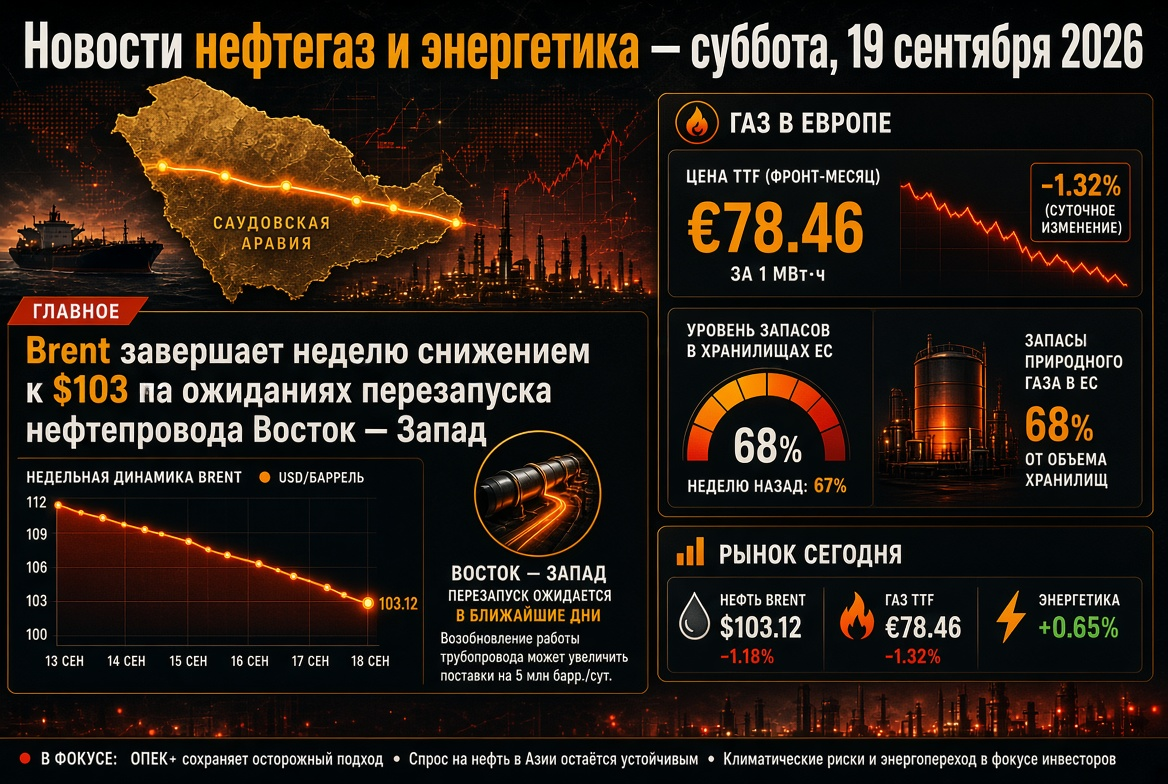
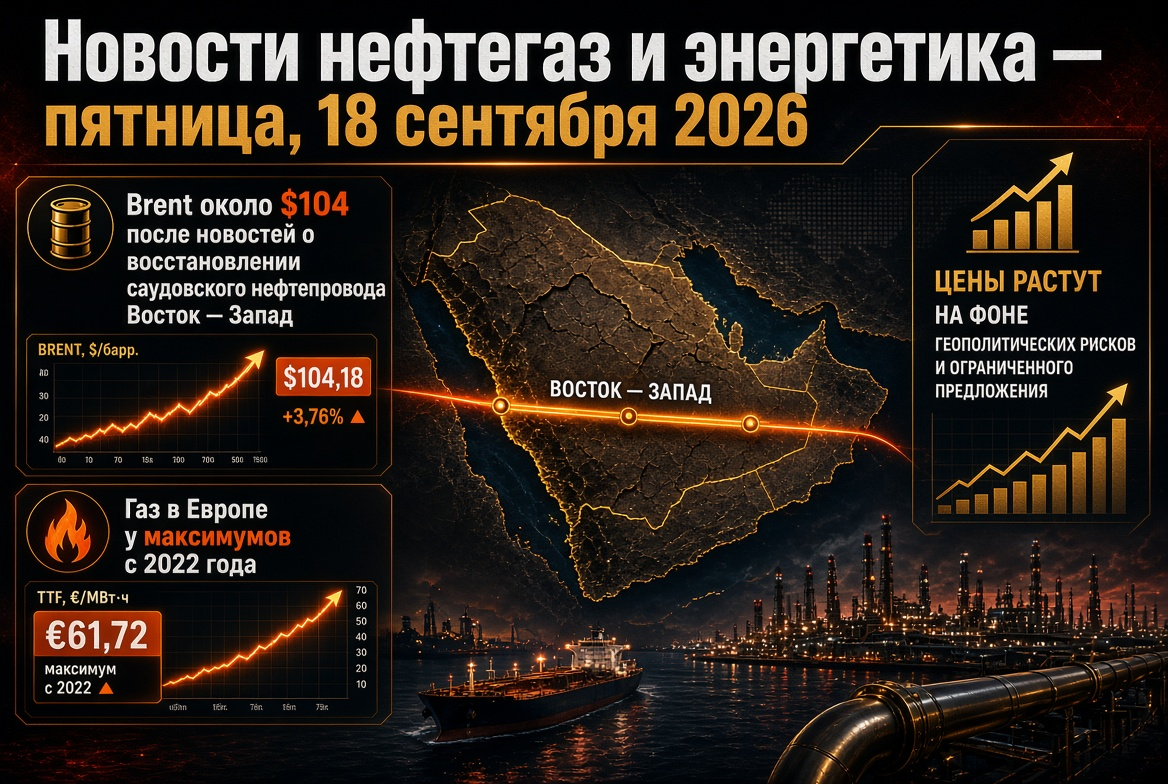
The global energy sector enters March with heightened volatility: geopolitical tensions surrounding Iran are again shaping the "risk premium" in oil prices, while OPEC+ participants will determine production parameters for April in the coming hours. The European gas market remains tense due to low storage levels and high sensitivity to weather and LNG logistics. At the same time, coal continues to be a pillar of energy security in Asia, with oil products and refineries evaluating margin prospects amidst raw material fluctuations.
Oil: Risk Premium and Scenarios for the Strait of Hormuz
The key driver of today's agenda is the rise of geopolitical risks in the Middle East. For global investors, this means a broader range of expectations for Brent and WTI, as the market quickly reassesses the likelihood of supply disruptions and hedges risks through price premiums. The most sensitive point is the Strait of Hormuz, through which a significant portion of global maritime oil and oil product trade passes.
- Base Scenario: Tensions remain high without sustained physical supply disruptions – oil retains the "risk premium" and volatility is elevated.
- Negative Scenario: Local disruptions or shipping restrictions – Brent quickly tests higher levels, and market participants price in shortages over the coming weeks.
- Positive Scenario: De-escalation – the premium decreases, and attention returns to supply and demand balance along with expectations of seasonal surplus.
OPEC+: Decision on March 1 and Production Crossroads
Today's meeting of key OPEC+ participants essentially sets the market's "tuning" for April: either confirmation of the previously anticipated moderate increase in production or a more noticeable adjustment aimed at stabilizing the market amid rising risks. For investors in oil and gas and oil market participants, this is more important than short-term price fluctuations: production parameters determine the physical flow of barrels and signal for the forward curve.
Factors that will determine the final decision:
- Geopolitics and Risk of Disruptions: the need to mitigate the risk of shortages in case the situation worsens.
- Demand Seasonality: the transition to the spring period is often associated with weaker demand for oil products in certain regions.
- Inventories and Discipline: the market closely monitors compliance with quotas and actual deliveries.
Oil Products and Refineries: Margin Under Pressure from Volatility
For the oil products and refinery segment, the current situation signifies a rise in price risk for raw materials accompanied by uneven demand for final products. The fuel market typically reacts with a lag: raw materials become more expensive faster than refining can pass on the increases to gasoline, diesel, and jet fuel. In such a scenario, managing inventory and hedging becomes critical.
Areas of focus for downstream participants:
- Crack Spread (refining margin) for gasoline and diesel: a measure of refinery resilience during oil price spikes.
- Logistics and Freight: rising geopolitical risks may increase transportation and insurance costs.
- Regional Demand: Europe and Asia enter the season differently, impacting product premiums.
Gas and LNG: Europe Maintains Focus on Inventories and Supply Costs
The European gas market concludes winter with heightened sensitivity to news regarding storage levels, weather, and global competition for LNG cargoes. Prices in Europe remain at levels where market participants assess the pace of injections in spring and the system's ability to navigate the next heating season without stress scenarios.
An additional risk for gas and LNG is any events affecting logistics and the insurance of supplies through key maritime routes. In stress scenarios, even short-term constraints can lead to price spikes as the market responds to shortages of "flexible" volumes.
Electricity and Renewable Energy: Balancing Reliability and Capital Costs
In the electricity sector, including renewables, the primary narrative centers on capital costs and the reliability of energy systems. High fuel volatility increases the value of stable generation and flexibility (maneuverability, balancing, storage), but simultaneously impacts capital costs and project payback periods. For investors, this means that models minimizing fuel price risk through contracts while maintaining predictable demand will have the advantage.
- Renewables: sensitive to financing costs and supply chains for equipment.
- Gas Generation: benefits as balancing power but depends on gas prices and LNG availability.
- Grid Complex: investments in networks and dispatching become critical for integrating renewables.
Coal: Asia Holds Demand, Market Evaluates Import Substitution
The coal segment remains vital for Asia's energy security. Supply and inventory levels in key regions sustain attention to energy coal prices, especially against the backdrop of certain countries’ plans to reduce imports while simultaneously increasing domestic generation. For the global energy sector, this means sustained demand for coal as a "backup" fuel, despite the long-term trend toward energy transition.
The practical logic of the coal market today:
- If inventories are below normal — prices react faster to any news regarding logistics and demand.
- If imports are restricted by policy — the importance of domestic mining and coal quality increases.
- If capacity additions are increasing — baseline demand for energy coal rises.
Market Geography of the Energy Sector: Middle East, Europe, Asia, USA
The Middle East sets the "upper limit" for risks through geopolitics and maritime logistics. Europe continues to restructure its gas balance, maintaining focus on LNG and storage. Asia remains a key center for coal demand and a driver of overall energy consumption growth. The USA influences through oil and gas production, financial conditions, and inflation expectations, which in turn set capital costs for energy projects.
What This Means for Investors and Energy Market Participants
In the coming days, the outcomes of the OPEC+ decision and the development of the situation surrounding Iran will be crucial, as they shape the short-term price corridor for oil and volatility in related markets. For energy sector companies, refineries, and traders, combining operational discipline and risk management is important: the period of "volatile" pricing increases the value of flexibility and access to logistics.
- Oil and Oil Products: readiness for a wide range of prices; inventory control; margin hedging.
- Gas and LNG: monitoring European inventories and competition for cargoes; assessing stress supply routes.
- Electricity and Renewables: focusing on financing costs and the stability of cash flows.
- Coal: tracking import policies in Asia and inventory dynamics as early price indicators.
Upcoming Trigger Calendar
The raw materials and energy market enters March with high news sensitivity. Participants in the energy sector should focus on the following triggers:
- OPEC+ decision on April production and subsequent comments on market balance;
- Dynamics of risks in the Strait of Hormuz region and their impact on freight/insurance;
- European gas inventories, replenishment rates, and price expectations for spring;
- Asian signals on coal and electricity (imports, capacity additions, demand).
Conclusion: The global energy sector starts March dominated by geopolitical factors in oil and heightened vulnerability in the European gas market. In this environment, strategies combining commodity diversification (oil, gas, coal), reliable logistics, and strict risk control on refining margins and supply contracts will thrive.