Oil and Gas Industry News – Saturday, January 3, 2026: Sanction Standoff Continues; Oil Surplus Weighs on Market; Gas Supply Stability; Green Energy Records
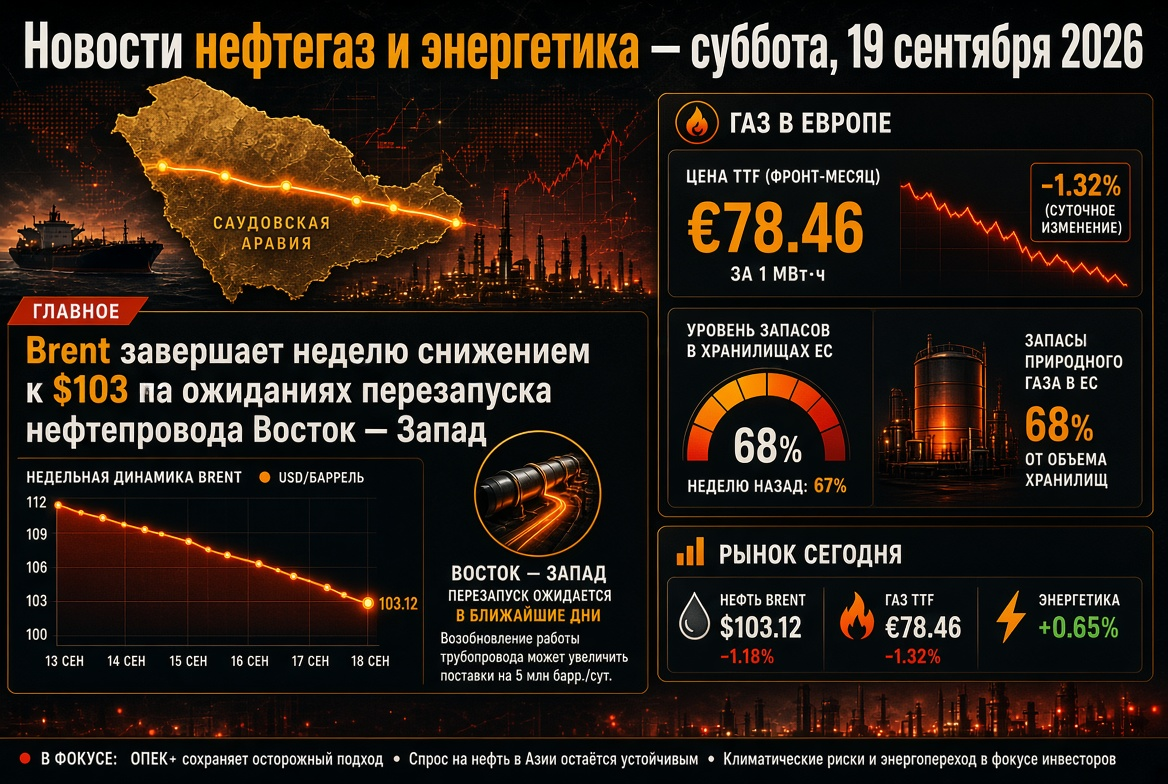
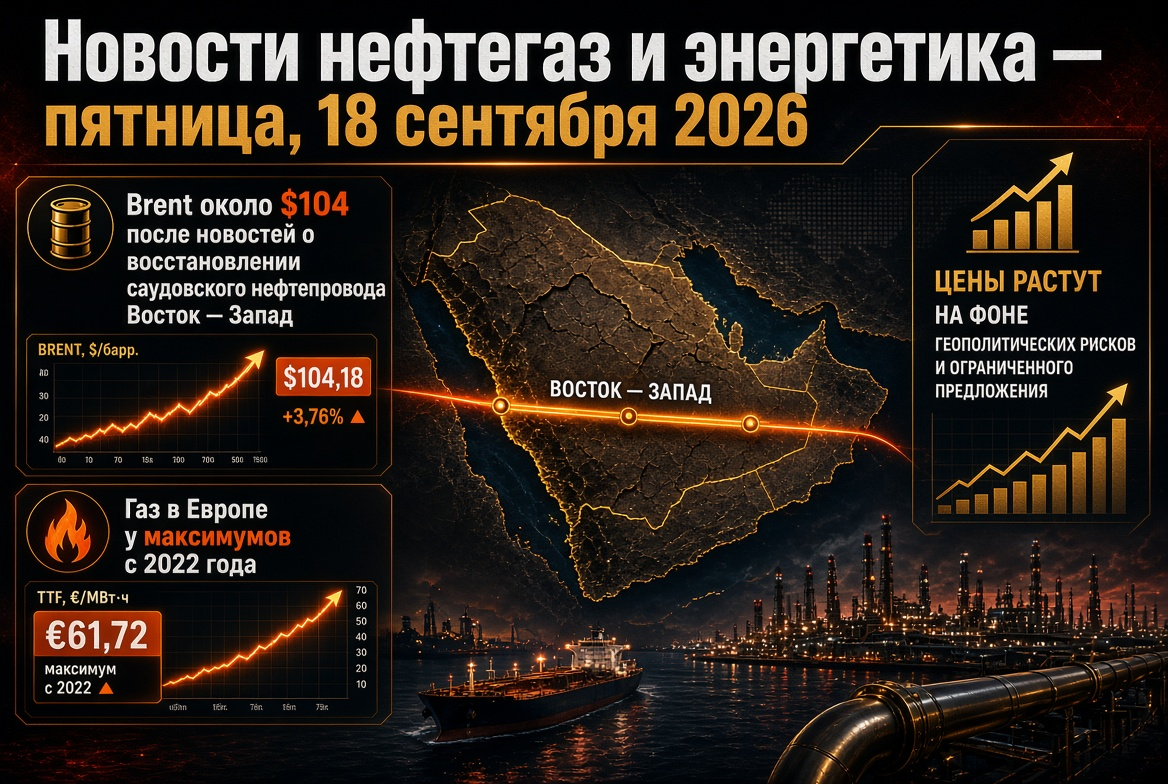
Current events in the fuel and energy sector as of January 3, 2026, attract investor attention with a combination of market stability and geopolitical tension. Following a challenging previous year, the global oil market enters the new year with signs of excess supply: Brent crude prices hold around $60 per barrel (nearly 20% lower than levels a year ago), reflecting cautious sentiment and OPEC+ efforts to maintain balance. The European gas market demonstrates relative resilience halfway through winter, with underground gas storage in the EU still over half full, providing a buffer against moderate demand increase during the cold. Against this backdrop, gas exchange prices remain relatively low, easing the burden of energy costs for industries and consumers in Europe.
Meanwhile, the global energy transition is gaining momentum: many countries are hitting new records for generation from renewable sources, and investment in clean energy continues to grow. However, geopolitical factors still introduce uncertainty – the sanctions standoff surrounding Russian energy exports persists, forcing major consumers like India to reevaluate supply routes. In Russia, authorities are extending emergency measures to regulate the domestic fuel market, striving to prevent new price spikes. Below is a detailed overview of key news and trends in the oil, gas, power, and commodities sectors as of this date.
Oil Market: Supply Surplus and Cautious Price Corridor
Global oil prices remain relatively stable but low at the start of the year. The North Sea Brent is trading around $60 per barrel, while American WTI hovers near $57–58. These levels are significantly below last year’s values, reflecting a gradual market softening after the price peaks of previous years. In 2025, OPEC+ countries partially lifted production restrictions, which, alongside increasing output from the U.S., Brazil, and Canada, led to a rise in global supply. For 2026, a surplus of oil is forecasted – the International Energy Agency estimates that production may exceed demand by nearly 4 million barrels per day. OPEC+ participants remain cautious: the alliance agreed to maintain first-quarter production at current quotas, taking a pause in further increases. This approach aims to prevent price crashes, but there are little opportunities for price growth – abundant onshore oil reserves and record volumes on tankers en route indicate market oversaturation.
China plays a specific role in price formation as the largest oil importer. Last year, Beijing actively utilized strategic purchases, buying excess crude when prices fell and reducing imports when prices increased. Thanks to this flexible approach, prices during the second half of 2025 stayed within a narrow corridor around $60–65 per barrel. By the end of the year, Chinese companies again increased purchases of cheap oil, replenishing reserves. As a result, while the market is technically facing an oil surplus, a significant portion is currently absorbed by China, effectively laying a "floor" for prices. Nevertheless, the potential for further accumulation is not limitless – China's storage facilities are already filled to hundreds of millions of barrels, and in 2026, Beijing's strategy will become one of the decisive factors for oil quotes. Investors will closely monitor whether China continues to buy excess oil to maintain demand or slows down imports, which could intensify pressure on prices.
Gas Market: Strong Reserve Ahead of Continued Winter
The gas market features relatively favorable trends for consumers. European countries entered winter with high reserves: by early January, EU underground gas storage was about 60–65% full, slightly below record levels from a year ago, but significantly above historical averages. The warm start to the winter season and energy-saving measures helped reduce gas withdrawals from storage, maintaining a solid reserve for the remaining cold. Moreover, stable liquefied natural gas (LNG) supplies continue to offset the near-total cessation of pipeline supplies from Russia. In 2025, Europe increased LNG imports by a quarter, primarily due to heightened exports from the U.S. and Qatar, launching new receiving terminals. Additional LNG volumes and moderate demand keep gas prices in Europe within a constrained range – around $9–10 per million BTU (approximately €28–30 per MWh for the Dutch TTF hub), notably lower than peak crisis values from 2022.
This year, experts anticipate maintaining a relatively stable situation in the European gas market if there are no extreme cold spells or unforeseen events. Even with possible cooling, Europe is much better prepared than two years ago: reserves are large, and LNG suppliers have spare capacities for rapid shipping increases. However, the risk factor remains demand in Asia – if economic growth accelerates in China or other APEC countries, competition for LNG shipments may intensify. For now, the gas market balance appears solid, and prices remain moderate. Such conditions favor European industry and energy, reducing costs and allowing for optimism regarding the remainder of the winter period.
International Politics: Sanction Pressure and Trade Restrictions Unyielding
Geopolitical factors continue to exert significant influence on energy markets. The dialogue between Russia and the U.S., cautiously resumed last summer, has not yielded notable results by the beginning of 2026. Direct agreements in the oil and gas sector remain elusive, and the sanction regime is fully intact. Moreover, signals from Washington increasingly suggest the possibility of tightening restrictions. The U.S. administration ties the lifting of some sanctions to progress in resolving political crises and, in the absence of such progress, is prepared to implement new measures. For instance, a proposal for 100% tariffs on exports to the U.S. of products from China is under discussion if Beijing does not reduce purchases of Russian oil. Such statements increase market nervousness, although they currently remain at the level of rhetoric.
A recent incident exemplifies this context: at the end of December, the U.S. seized and confiscated a shipment of oil transported by a Panama-flagged tanker, allegedly destined for China and of Iranian-Venezuelan origin. This case underscored Washington's resolve to block sanctions evasion channels, even resorting to forceful methods at sea. Simultaneously, the European Union confirmed the extension of its sanction restrictions against Russian energy exports and intends to maintain price ceilings on oil and petroleum products from the RF. In aggregate, these factors indicate that the sanctions standoff enters a new phase, with no signs of easing. The current situation compels resource-importing countries to seek flexible solutions – diversifying sources, utilizing shadow tanker fleets, and switching to transactions in national currencies – to secure fuel supplies amidst continued political pressure. World markets, in turn, are embedding a premium for these risks into prices and closely observing further developments in the dialogue among nations.
Asia: India and China Between Import and Domestic Production
- India: confronted with tightening Western sanctions, Delhi is forced to approach oil purchases flexibly. A sharp reduction in imports of Russian energy resources per Washington's demands remains unacceptable for the country – Russian oil and gas are critically important for meeting economic needs, fulfilling over 20% of India’s crude oil imports. However, due to sanction pressure and logistics issues, by the end of 2025, Indian refineries slightly reduced purchases from Russia. Industry analysts report that in December, Russian oil supplies to India fell to around 1.2 million barrels per day – the lowest level in the past three years (down from a record 1.8 million bpd the previous month). To offset this decline and safeguard against disruptions, the largest refining corporation, Indian Oil, has activated an optional agreement for a shipment of oil from Colombia, and additional supplies from Middle Eastern and African countries are being explored. Simultaneously, India continues to seek preferential terms: Russian suppliers provide substantial discounts (estimated at $4–5 off Brent prices for Urals), maintaining the appeal of Russian barrels even under sanction pressure. In the long term, New Delhi is increasing investments in exploration and production on domestic territory. Specifically, an extensive program for deepwater oil and gas field exploration is underway: state-owned ONGC is drilling ultra-deep wells in the Andaman Sea, and the initial results are promising. These steps are aimed at enhancing India's energy independence, although in the coming years, the country will still heavily rely on imports – over 85% of consumed oil comes from abroad.
- China: as the largest economy in Asia continues to balance between increasing domestic production and ramping up energy imports. Beijing has not joined the Western sanctions against Moscow and has leveraged the situation to increase purchases of Russian oil and gas at favorable prices. By the end of 2025, China’s oil imports again approached record levels – around 11 million barrels per day, slightly below 2023 levels. Natural gas imports (both LNG and pipeline totals) also remain high, fueling industry and power generation amidst the economic recovery. Concurrently, China is annually increasing its domestic production: in 2025, the country’s oil output reached a record of approximately 215 million tons (around 4.3 million bpd, +1% year-on-year), and natural gas production surpassed 175 billion cubic meters (+5–6% y/y). The growth in domestic resources helps cover part of the demand but does not eliminate the need for imports. Even accounting for all efforts, China still imports about 70% of oil and about 40% of gas consumed. The Chinese authorities are actively investing in developing new fields, increasing oil recovery technologies, and expanding storage capacities for strategic reserves. In the long run, Beijing plans to continue boosting oil reserves, creating a "safety cushion" in case of market shocks. Thus, India and China – the two largest Asian consumers – continue to play a key role in global raw materials markets, combining import security strategies with the development of their resource base.
Energy Transition: Record Growth of Renewable Energy and the Place of Traditional Generation
The global transition to clean energy reached new heights in 2025, and this trend will continue into 2026. In the European Union, total electricity generation from solar and wind power plants surpassed generation from coal and gas-fired thermal power plants for the first time by year’s end. The share of “green” electricity in the EU energy balance is steadily increasing due to the commissioning of numerous new capacities – after a temporary return to coal during the crisis of 2022–2023, European countries are again actively retiring coal stations and focusing on renewables. In the U.S., renewable energy has also set historical records: over 30% of the country's total generation now comes from renewables, and in 2025, total electricity generation from wind and solar for the first time outstripped generation from coal-fired plants. As the world’s leader in installed renewable capacity, China installed dozens of gigawatts of new solar panels and wind turbines last year, continually updating its clean energy production records. Overall, companies and governments worldwide are directing unprecedented funds towards low-carbon energy development. The International Energy Agency estimates that total investments in the global energy sector exceeded $3 trillion in 2025, with over half of this funding allocated to renewable projects, grid modernization, and energy storage systems.
Such rapid growth in renewable energy is changing the market's structure but also presenting new challenges. The main challenge is ensuring energy system reliability amidst a growing share of variable sources. In 2025, many countries faced the necessity to balance increased generation from wind and solar without yet phasing out traditional capacities. For instance, in Europe and the U.S., gas-fired power plants continue to play a crucial role as flexible backup power in case of peak loads or dips in renewable generation. In China and India, modern coal and gas thermal power plants continue being built alongside the expansion of renewables to meet rapidly growing electricity demand. Thus, the global energy transition is entering a phase where new records in “green” generation go hand in hand with the necessity to modernize infrastructure and energy storage. Despite the declared goals by many governments to achieve carbon neutrality by 2050–2060, traditional energy sources remain an important part of the balance in the short term, ensuring stability in energy systems during the transition period.
Coal: Stable Demand Supports the Market
Despite the rapid development of renewable sources, the global coal market in 2025 maintained significant volumes and remains a key part of the global energy balance. Demand for coal products remains consistently high, especially in the Asia-Pacific region, where industrial growth and electricity demand necessitate mass utilization of this fuel. China – the world’s largest coal consumer and producer – once again approached record burning levels last year. Annual output from Chinese mines exceeds 4 billion tons, covering a lion's share of domestic needs. Nevertheless, this barely meets peak demand, particularly in extremely hot summer months (when energy system loads escalate due to air conditioning use). India, holding large coal reserves, also increases its utilization: over 70% of the country’s electricity is still produced at coal plants, and absolute coal consumption is growing alongside the economy. Other developing Asian economies (Indonesia, Vietnam, etc.) have ramped up coal production and exports in recent years, filling a niche in the market left by others and contributing to relatively stable global prices.
Following the price shocks of 2022, energy coal prices have returned to more normal levels. In 2025, coal prices fluctuated within a narrow range, reflecting a balance between high demand in Asia and increasing supply from leading exporters. Numerous countries have announced plans to reduce coal use in the future to achieve climate goals; however, in the short term, this type of fuel remains largely irreplaceable. For billions of people worldwide, electricity from coal plants still provides foundational stability in energy supply, especially where alternatives are insufficient. Experts agree that over the next 5–10 years, coal generation – especially in Asia – will remain a significant component of the energy system. Only as energy storage becomes less expensive and backup capacity develops can a noticeable decrease in coal’s share be expected on a global scale. For now, the coal market is supported by high demand inertia, ensuring relative price stability even amid the “green” course of developed countries.
Russian Oil Products Market: Extending Measures to Stabilize Prices
In the early weeks of 2026, measures aimed at stabilizing prices and preventing shortages continue to be implemented in Russia's domestic fuel market. Following a sharp spike in gasoline prices last summer, the situation has somewhat normalized, yet the authorities have not eased control. The government extended the existing ban on automotive gasoline and diesel fuel exports until the end of February 2026 to maintain an additional resource for domestic consumers during the winter months. It is worth noting that a complete embargo on fuel exports was first imposed in the autumn of 2025 amid turmoil in the exchange market and has since undergone several extensions. Concurrently, as of January 1, excise taxes on gasoline and diesel increased (by 5.1%), which slightly raises the tax burden on the industry; however, the damping mechanism and direct subsidies for refiners remain intact. These subsidies compensate companies for lost revenue and encourage them to channel sufficient product volumes to the domestic market, keeping wholesale prices in check.
- Export Control: the complete ban on exporting gasoline and diesel fuel from Russia has been extended until February 28, 2026. This measure is expected to increase fuel supply domestically by at least 200–300 thousand tons per month that were previously exported.
- Financial Support: the damping mechanism and subsidies for oil companies have been retained to partially offset the difference between domestic and foreign prices. This provides an economic incentive for plants to prioritize fuel supply at gas stations within the country, while retail price increases remain moderate.
- Monitoring and Response: relevant agencies (Ministry of Energy, FAS, etc.) are tracking fuel production and supply conditions daily. Control over the performance of refineries and gasoline distribution across regions has been strengthened. Should any major issues arise, authorities are prepared to utilize reserves or implement new restrictions to prevent local disruptions. A recent incident at the Ilsk Refinery in Krasnodar Krai confirmed this: following damage to infrastructure due to debris from a drone, emergency services quickly extinguished a fire, preventing market impact.
The combination of these measures has already yielded results: wholesale exchange prices for fuel have settled away from peak values, filling stations across the country are supplied with fuel, and retail price increases over the past year have been limited to just a few percent, closely matching inflation levels. Authorities intend to continue taking preemptive actions, especially during the planting and harvesting campaigns of 2026, when demand for fuel typically rises seasonally. The situation in the Russian oil products market is under ongoing governmental oversight – any signs of new price jumps will be met with additional interventions. Such efforts aim to ensure uninterrupted supply of fuel to the economy and population at acceptable prices, despite external challenges and volatility in the global oil market.