Current Startup and Venture Investment News on December 27, 2025: The Return of Mega Funds, Unprecedented AI Investments, Continued IPO Boom, Renaissance of the Crypto Industry, and a Wave of Major M&A Deals. A Detailed Overview of Key Trends for Venture Investors and Funds.
By the end of 2025, the global venture capital market is confidently reviving after a prolonged downturn. Investors around the world are once again actively financing technology startups: multi-million dollar deals are being made as IPO plans for promising companies come back to the forefront. The largest venture funds and corporations are returning with record investment programs, and governments worldwide are enhancing support for innovative businesses. The influx of private capital provides liquidity for young companies to grow and scale.
Venture activity is spreading across all regions. The United States continues to lead, primarily due to colossal investments in the field of artificial intelligence. In the Middle East, investment in startups has grown exponentially thanks to generous funding from sovereign funds. In Europe, power dynamics are shifting: Germany has surpassed the United Kingdom in venture deal volume for the first time in a decade, strengthening the position of continental hubs. India, Southeast Asia, and other rapidly developing markets are attracting record capital amidst relative investor caution in China (due to regulatory risks). Nevertheless, China is taking new steps to stimulate innovation: several state venture funds worth tens of billions of yuan have been launched to invest in "hard tech," and IPO rules for space companies have also been relaxed. The startup ecosystems in Africa and Latin America are gaining momentum as well, with the emergence of their first "unicorns," highlighting the truly global nature of the current venture upswing. Russia and CIS countries are also striving to keep pace, despite external restrictions: new funds and accelerators are being launched in the region with government and corporate support to integrate local projects into global trends. A new global venture boom is forming, even as investors remain selective and cautious in their deal-making.
Below are key events and trends shaping the venture market landscape as of December 27, 2025:
- The Return of Mega Funds and Large Investors. The largest venture players are forming record-sized funds and ramping up investments, once again infusing the ecosystem with liquidity and increasing risk appetite.
- Record Funding Rounds and a New Wave of AI "Unicorns." Unprecedented investments in artificial intelligence are elevating startup valuations to unprecedented heights, particularly in the AI segment, leading to the emergence of many new unicorns.
- Revival of the IPO Market. Successful public offerings by technology companies and an increase in new applications confirm that the "window of opportunity" for exits remains open.
- The Renaissance of Crypto Startups. The rise of the digital assets market has rekindled investor interest in blockchain projects, enhancing the capital influx into the crypto industry.
- Defense and Aerospace Technologies Attracting Capital. Geopolitical factors stimulate investments in military technologies, aerospace projects, and robotics.
- Diversification of Industry Focus: Fintech, Climate Projects, and Biotech on the Rise. Venture capital is directed not only toward AI but also toward fintech, green technologies, biotechnology, and other sectors, broadening market horizons.
- A Wave of Consolidation and M&A Deals. High startup valuations and fierce competition are provoking a new wave of mergers and acquisitions, opening additional opportunities for exits and accelerated company growth.
- Global Expansion of Venture Capital. The investment boom is extending beyond traditional centers—significant capital influx is observed in the Middle East, South Asia, Africa, and Latin America, where new tech hubs are forming.
- Local Focus: Russia and CIS. Despite restrictions, new funds and initiatives are emerging in the region to develop local startup ecosystems, signaling a gradual recovery of venture activity.
The Return of Mega Funds: Big Money Back in the Market
The largest investment players are triumphantly returning to the venture stage, signaling a new surge in risk appetite. Japan's SoftBank is experiencing its own "renaissance," once again making bold bets on AI technology projects. Its Vision Fund III, with approximately $40 billion, is already actively investing in promising sectors, and the company is reorganizing its portfolio for new AI initiatives: for instance, SoftBank completely sold its stake in Nvidia for around $6 billion to free up capital for investments in artificial intelligence. Moreover, SoftBank is effectively making an all-in bet on OpenAI, investing about $20 billion in the industry leader.
Simultaneously, the largest Silicon Valley funds have amassed unprecedented reserves of uninvested capital ("dry powder")—hundreds of billions of dollars ready to re-enter circulation as the market strengthens. For instance, venture firm Andreessen Horowitz (a16z) is raising a new mega fund of approximately $20 billion, primarily targeting late-stage American AI startups. Sovereign funds from Middle Eastern countries have also ramped up activity: governments in the Gulf states are pouring billions into innovation programs, creating powerful regional tech hubs. A number of well-known investment firms that had previously reduced their activity are returning to the arena with significant deals. For example, after a cautious pause, fund Tiger Global announced a new $2.2 billion fund (though modest compared to its previous giant funds), promising a more selective investment approach. The return of "big money" is already palpable: the ecosystem is becoming liquidity-rich, competition for top deals is intensifying, and the industry is gaining the much-needed boost of confidence in continued capital influx.
Record AI Rounds and New "Unicorns": The Investment Boom in AI
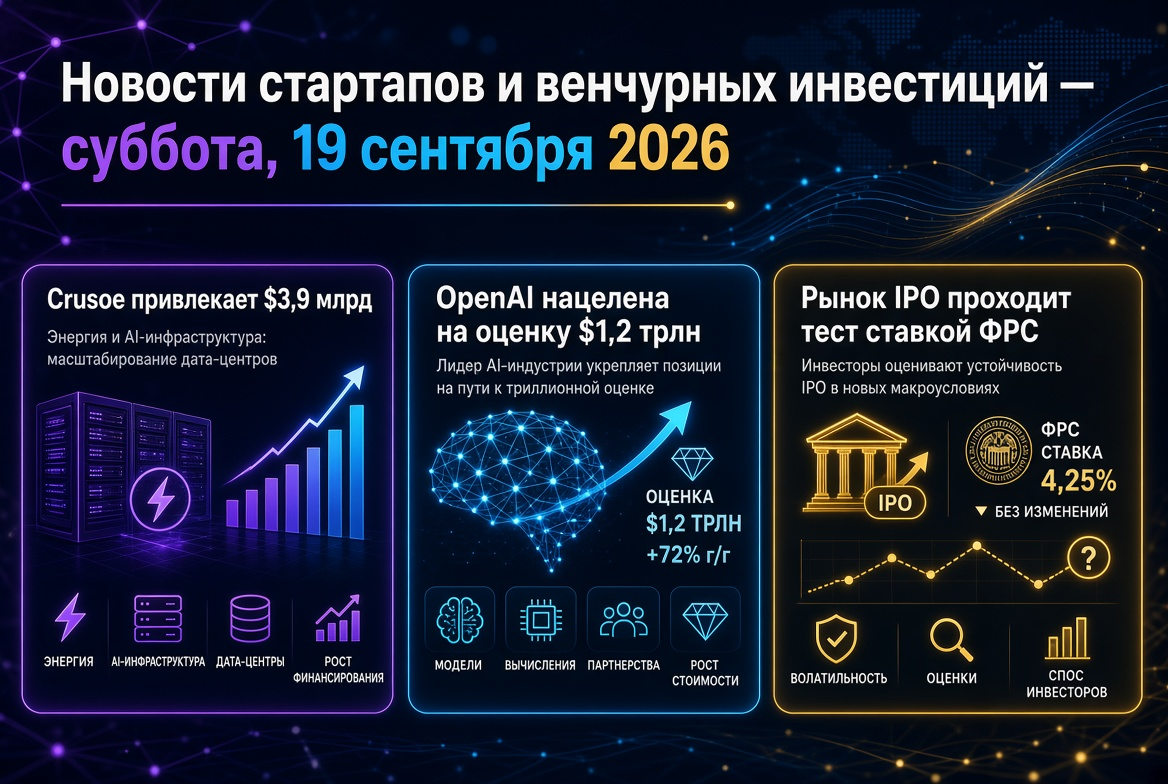
The artificial intelligence sector remains the main driver of the venture upswing in 2025, setting new funding records. Investors are eager to invest in market leaders in AI, directing colossal sums toward the most promising companies. For instance, Elon Musk's startup xAI attracted about $10 billion in investments, while OpenAI received $8.3 billion, raising its valuation to a colossal $300 billion. Both of these rounds were heavily oversubscribed, underscoring the frenzy surrounding leading AI companies.
Venture capital is flowing not only into applied AI services but also into critical infrastructure for them. Investors are willing to finance even the proverbial "shovels and picks" of this new digital era—from the production of specialized chips and cloud platforms to energy consumption optimization tools for data centers. The total investment in AI is estimated to have surpassed $120 billion in 2025, with more than half of all the venture funds of the year directed toward AI projects. This genuine boom has spawned dozens of new unicorns—companies valued at over $1 billion globally. Although experts warn of the overheating risk in this segment, investor appetite for AI startups remains strong.
The IPO Market Comes Alive: An Open Window of Opportunity for Exits
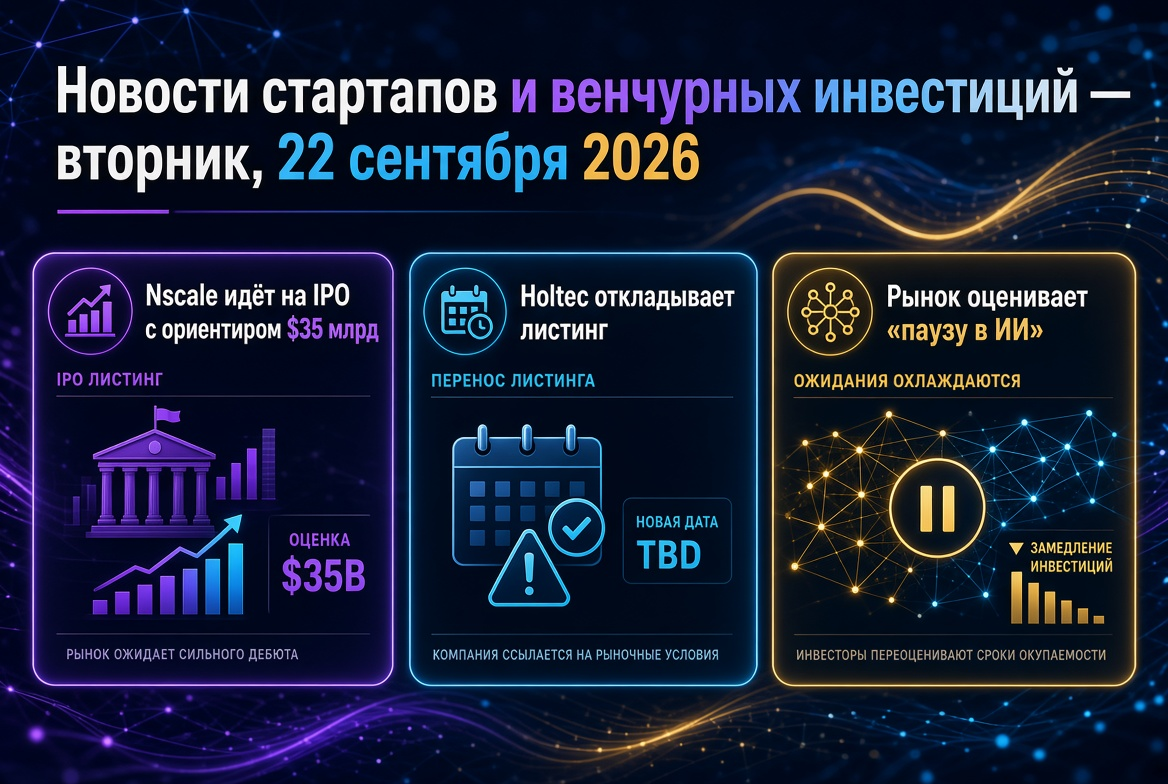
The global IPO market has confidently revived after a prolonged lull and continues to gain momentum. In Asia, Hong Kong has initiated a series of new listings: in recent weeks, several large technology companies have gone public, collectively raising billions of dollars, confirming investors' readiness to actively participate in IPOs. In North America and Europe, the situation is also improving: the number of public offerings in the U.S. increased by more than 60% in 2025 compared to the previous year, returning to pre-crisis levels. Several highly valued startups have successfully debuted on the stock exchange—fintech unicorn Chime recently went public, and its shares soared by about 30% on the first trading day, while Figma raised approximately $1.2 billion during its IPO and tripled its market capitalization from the offering price. Following that, new high-profile exits are on the horizon: among the expected candidates are payment giant Stripe and other well-known unicorns looking to take advantage of the favorable window.
The revival of life in the public offering market is critically important for the venture ecosystem. Successful IPOs allow funds to realize profitable exits and redirect the freed-up capital into new projects, closing the investment cycle. The prolonged "window of opportunity" encourages more startups to consider going public. Moreover, an unprecedented deal is looming on the horizon: SpaceX is preparing for an IPO, and according to media reports, the company plans to raise $25–30 billion at a valuation of around $1 trillion. If this record listing occurs in 2026, it could open the floodgates for a new wave of large public offerings and solidify the IPO market's recovery.
Crypto Startups Experience a Renaissance
After a deep decline, the crypto market entered into recovery in 2025, rekindling venture investors' interest in blockchain startups. Capital is once again flowing into the crypto industry—from infrastructure solutions and crypto exchanges to DeFi platforms and Web3 projects. Major sector funds are resuming activity in this segment, and new crypto startups are attracting significant funding rounds amidst a steady rise in digital asset prices. For example, Bitcoin reached nearly the historical level of $90,000 by the end of the year, bolstering investor confidence in the prospects of crypto assets. Corporate strategic interest in this market is also reviving: for instance, South Korean crypto exchange Upbit was acquired by financial conglomerate Naver for about $10 billion, marking one of the largest deals of the year in the crypto industry. Overall, the new wave of interest in blockchain projects indicates that crypto startups are experiencing their renaissance amid an improved market environment.
Defense and Aerospace Technologies Attract Capital
The geopolitical landscape and the rise of defense budgets are stimulating the influx of investments into military and aerospace technologies. Startups creating innovations for the defense sector—from drones and cybersecurity to artificial intelligence for the military—receive support from both government institutions and large private investors. Commercial space projects are also receiving significant venture capital funding: the development of satellite constellations, orbital services, and new rocket technologies attract considerable investments. For instance, in China, the easing of IPO rules for space companies is intended to facilitate fundraising in this sector. In addition to direct funding for startups, tech giants are also eager to keep up in the race: Google agreed to acquire Israeli cybersecurity startup Wiz for a record $32 billion—marking the largest deal in the history of the Israeli tech industry. The readiness of market leaders to spend tens of billions on key technologies underscores the strategic importance of the defense-tech sector.
Diversification of Investments: Fintech, Climate, and Biotech on the Rise
In 2025, venture investments are spreading across an increasingly broad range of industries, no longer concentrated solely around artificial intelligence. After previous year downturns, fintech has revived: large funding rounds are taking place both in the U.S. and Europe, as well as in emerging markets, stimulating the growth of new digital financial services. Simultaneously, investors are showing increased interest in climate technologies and "green" energy. Renewable energy, eco-friendly materials, and agri-tech projects are receiving record funding amid a global trend towards sustainability. For instance, Swiss climate startup Climeworks recently raised $162 million to develop CO2 capture technologies, bringing the total investment in the company to over $1 billion.
Appetite for biotechnology is also returning. The emergence of breakthrough medical developments is once again attracting significant capital: for example, one startup developing an innovative obesity treatment managed to raise about $600 million in a single round, reigniting investor interest in biomedical innovations. Even previously "frozen" crypto startups are beginning to emerge from the shadows (as mentioned earlier, the crypto market is reviving). The broadening industry focus demonstrates that investors are seeking new growth points beyond the overheated AI segment, making the entire startup ecosystem more balanced and resilient.
Consolidation and M&A Deals: The Enlargement of Players
High valuations of companies and fierce marketplace competition are driving the startup ecosystem towards consolidation. Large mergers and acquisitions are once again coming to the forefront, reshaping power dynamics in the industry. The year 2025 saw a record number of major deals involving the acquisition of "unicorn" startups (private companies with valuations exceeding $1 billion): 36 acquisitions totaling about $67 billion occurred (in comparison, there were 22 deals worth $7 billion in 2024). The largest deals of the year include:
- The acquisition of Israeli cybersecurity startup Wiz by Google for $32 billion.
- The purchase of crypto exchange Upbit (by Dunamu) by Naver’s fintech division for $10.3 billion.
- The acquisition of cloud observability platform Chronosphere by Palo Alto Networks for $3.4 billion.
Such mega deals illustrate that even industry leaders are willing to spend tens of billions to remain competitive in the technology race. Overall, the renewed wave of acquisitions reflects the industry's maturation: established startups are merging with each other or becoming targets for corporations, while venture funds are securing long-awaited profitable exits. Consolidation enhances the ecosystem's efficiency, allowing companies to pool resources for accelerated growth and global expansion, while investors benefit from greater returns through large successful exits.
Global Expansion of Venture Capital: The Boom Reaches New Regions
The venture boom of 2025 is characterized by an increasingly broad geography. In addition to traditional tech centers (the U.S., Western Europe, China), a strong influx of capital is being observed in new markets worldwide. Gulf countries—Saudi Arabia, the UAE, and others—are investing billions in creating local tech parks and startup ecosystems in the Middle East. India and Southeast Asia are experiencing a real bloom in the startup scene, attracting record levels of venture capital and producing new unicorns. Rapidly growing tech companies are also emerging in Africa and Latin America—some of which have recently reached valuations exceeding $1 billion, securing their status as global players.
Thus, venture capital is becoming more global than ever. Promising projects can now receive funding regardless of location if they demonstrate scaling potential. For investors, this opens up new horizons: they can seek out high-return opportunities worldwide, diversifying risks between countries and regions. The spread of the venture boom to new territories facilitates the exchange of experience and talent, making the global startup ecosystem more interconnected.
Russia and CIS: Local Focus Amid Global Trends
Despite sanctions and other constraints, there is a revival of startup activity in Russia and neighboring countries. In 2025, new venture funds totaling billions of rubles have been launched to support early-stage tech projects. Major corporations are creating their own accelerators and venture divisions, while government programs help startups secure grants and investments. For instance, as a result of Moscow’s "Academy of Innovators" program, over 1 billion rubles have been attracted to local tech projects.
Although the scale of venture deals in Russia and the CIS still significantly lags behind the global scene, interest in local projects is gradually returning. Partial easing of restrictions has opened up investment opportunities from friendly countries, partially compensating for the outflow of Western capital. Some companies are contemplating going public as the market conditions improve: for instance, a regional food tech startup recently secured funding at a multi-billion valuation and is preparing for an IPO—an indicative example of the growing ambitions of local players. New initiatives aim to provide an additional boost to the local startup ecosystem and integrate its development within the context of global trends.
Cautious Optimism: The Venture Market Looks to the Future
As the final days of 2025 approach, moderately optimistic sentiments have taken root in the venture sector. Record funding rounds and successful IPOs have compellingly demonstrated that the downturn period has passed. However, market participants still maintain a degree of caution. Investors are now paying greater attention to project quality and business model sustainability, striving to avoid unwarranted hype. In the spotlight of this new upswing is not the pursuit of the highest valuations but the search for truly promising ideas capable of generating profit and transforming industries.
Even the largest funds are calling for a balanced approach. It is noted that the valuations of several startups remain very high and are not always supported by fundamental business indicators. Aware of the overheating risk (especially in the AI sector), the venture community intends to act cautiously, combining bold investments with thorough analysis. Thus, the new growth cycle is built on a more solid foundation: capital is directed toward quality projects, and the industry looks to the future with cautious optimism, aiming for long-term sustainable growth.