Current Startup and Venture Capital News as of January 18, 2026: Record Rounds in AI, the Return of Mega Funds, IPO Revival, and Key Trends in the Global Venture Market.
As we move into 2026, the global venture capital market is demonstrating sustainable growth, having finally overcome the aftermath of the downturn in recent years. According to the latest data, venture investment volumes reached their highest levels in the fourth quarter of 2025, nearing record highs from the boom year of 2021. The upward trend only intensified in the fall: in November alone, startups around the world raised nearly $40 billion in funding (28% more than the previous year). The prolonged "venture winter" of 2022-2023 is now behind us, and private capital is rapidly returning to the tech sector. Major funds are resuming large-scale investments, governments are launching initiatives to support innovations, and investors are once again ready to take risks. Despite a lingering selectivity in approaches, the industry is confidently entering a new phase of growth in venture investments.
Venture activity is rising across all regions. The United States continues to lead (mainly due to massive investments in AI); in the Middle East, deal volume has surged dramatically thanks to generous funding from sovereign wealth funds; in Europe, Germany has overtaken the UK in total capital raised for the first time in a decade. In Asia, growth is shifting from China to India and Southeast Asian countries, offsetting a relative cooling of the Chinese market. Startup ecosystems in the CIS countries are also striving to keep up, despite external constraints. A global venture boom at the early stage is forming, even as investors remain selective and cautious.
Below are key events and trends shaping the venture market agenda as of January 18, 2026:
- The Return of Mega Funds and Large Investors. Leading venture funds are raising record-sized funds and are again saturating the market with capital, reigniting risk appetite.
- Record Rounds in AI and New "Unicorns". Unprecedented investments in artificial intelligence are raising startup valuations to unseen heights and generating a wave of new unicorn companies.
- Revival of the IPO Market. Successful public offerings of tech companies and an increase in listing applications confirm that the long-awaited "window of opportunity" for exits has opened once again.
- Diversification of Sector Focus. Venture capital is being directed not only towards AI but also into fintech, climate projects, biotech, defense developments, and other sectors, broadening the market's horizons.
- A Wave of Consolidation and M&A Activity. Major mergers, acquisitions, and strategic partnerships are reshaping the industry landscape, creating new exit opportunities and accelerated growth for companies.
- Revival of Interest in Crypto Startups. After a prolonged "crypto winter," blockchain projects are once again attracting significant funding amid a growing digital asset market and regulatory easing.
- Global Expansion of Venture Capital. The investment boom is expanding into new regions—from the Gulf and South Asia to Africa and Latin America—creating local tech hubs around the world.
- Local Focus: Russia and CIS. New funds and initiatives are emerging in the region to develop local startup ecosystems, gradually increasing investor interest in local projects.
The Return of Mega Funds: Big Money Back in the Market
The largest investment players are triumphantly returning to the venture arena, marking a new surge in risk appetite. After several years of quiet, leading funds have resumed raising record capital and launching mega funds, demonstrating confidence in the market's potential. For instance, the Japanese conglomerate SoftBank is forming its third Vision Fund, aimed at advanced technologies with a volume of ~$40 billion (primarily focusing on AI and robotics projects). Even investment firms that previously took a pause are making a comeback: Tiger Global announced a new fund of ~$2.2 billion—modest compared to its previous massive funds but with a more selective strategy. One of the oldest venture players in Silicon Valley, Lightspeed, raised a record $9 billion in new funds back in December to invest in large-scale projects, mainly in AI.
Sovereign funds from the Middle East are also becoming active: the governments of oil-rich countries are injecting billions of dollars into innovation programs, creating powerful regional tech hubs. Moreover, numerous new venture funds are springing up globally, attracting significant institutional capital for investments in high-tech companies. The largest funds on Silicon Valley and Wall Street have accumulated unprecedented reserves of uninvested capital ("dry powder")—hundreds of billions of dollars are ready to be deployed as the market recovers. The influx of "big money" is already palpable: the market is filling with liquidity, competition for the best deals is intensifying, and the industry is gaining the much-needed boost of confidence in further capital inflows. Additionally, it’s worth noting governmental initiatives: in Europe, the German government has launched the Deutschlandfonds, a €30 billion fund aimed at attracting private capital for technology and economic modernization, highlighting the authorities' efforts to support the venture market.
Record Investments in AI: A New Wave of "Unicorns"
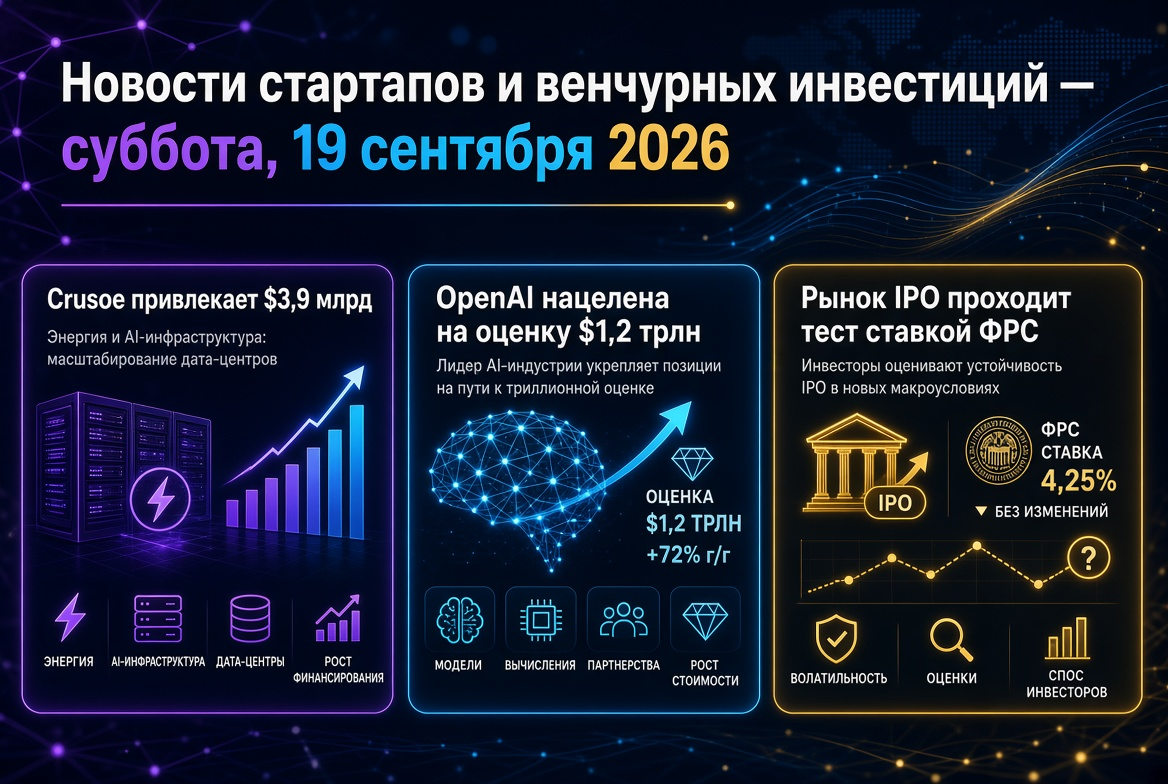
The artificial intelligence sector remains the principal driving force behind the current venture upturn, showcasing record funding volumes. Investors worldwide are eager to secure positions among AI market leaders, channeling colossal amounts of capital into the most promising projects. In recent months, several AI startups have raised unprecedented large rounds. For instance, AI model developer Anthropic raised about $13 billion, Elon Musk's xAI attracted around $20 billion, and a lesser-known AI infrastructure startup secured over $2 billion, raising its valuation to approximately $30 billion. Notably, OpenAI has garnered attention: a series of mega-deals has raised its valuation to an astronomical ~$500 billion, making it the most valuable private startup in history. SoftBank previously led a funding round for OpenAI covering ~$40 billion (valuing the company at around $300 billion), and now, according to reports, Amazon is finalizing a deal to invest up to $10 billion, further solidifying OpenAI's position at the top of the market.
These colossal rounds (often with multiple over-subscriptions) confirm the hype surrounding AI technologies and inflate company valuations to unprecedented heights, giving rise to dozens of new unicorns. Moreover, venture investments are flowing not only into applied AI services but also into the critical infrastructure that supports them. "Smart money" is also going into the "shovels and picks" of the digital gold rush—from specialized chip manufacturing and cloud platforms to tools for optimizing data center energy consumption. The market is prepared to actively fund even these infrastructure projects that bolster the AI ecosystem. Despite certain concerns about overheating, investor appetite for AI startups remains exceptionally high—everyone is vying for a piece of the artificial intelligence revolution.
IPO Market Revives: A Window of Opportunity for Exits
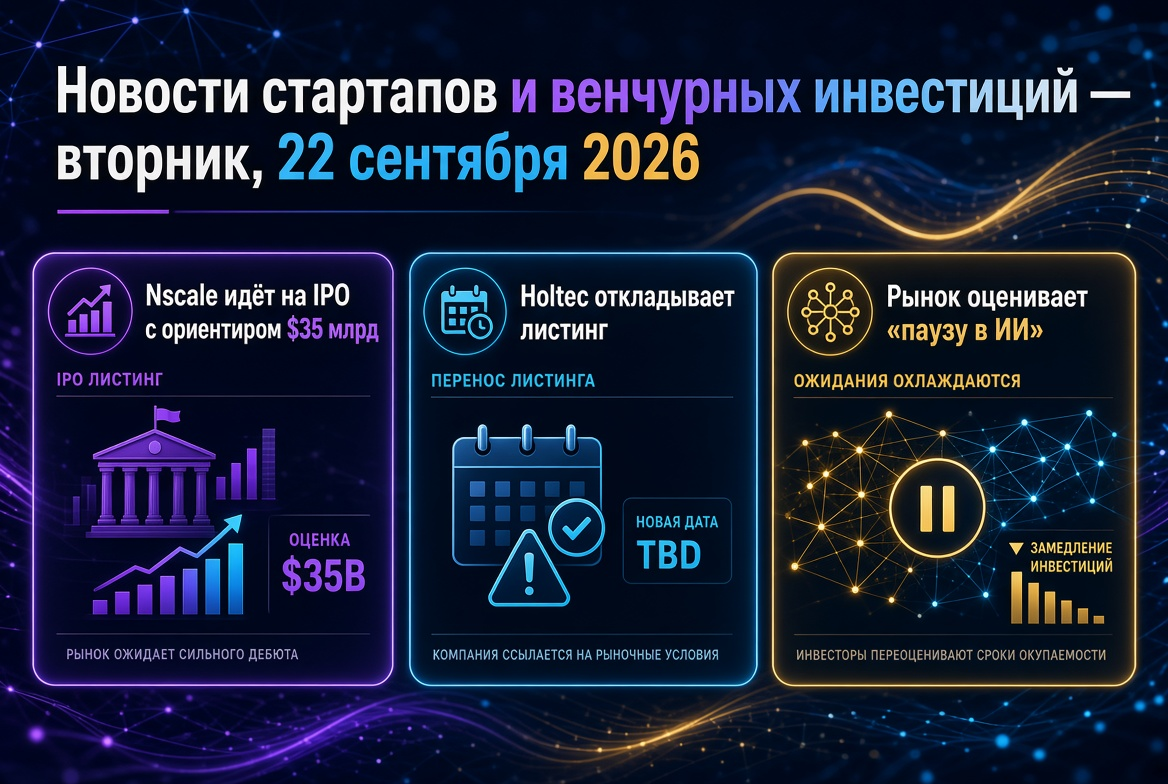
The global market for initial public offerings (IPOs) is coming out of its dormancy and gaining momentum. In Asia, Hong Kong has initiated a new wave of IPOs: several major tech firms have gone public in recent weeks, collectively raising billions of dollars. For example, Chinese battery giant CATL successfully offered shares worth ~$5 billion, demonstrating that investors in the region are again ready to actively participate in IPOs. In January 2026, one of China's leading generative AI startups, MiniMax, debuted on the Hong Kong Stock Exchange—its shares soared 78% on the first trading day, and its market capitalization exceeded 90 billion HKD (about $11.7 billion). The strong demand for MiniMax's shares illustrated investors' willingness to pay for "homegrown champions" in the AI space, particularly with backing from Beijing.
Conditions are also improving in the US and Europe: American fintech unicorn Chime recently made its debut on the stock exchange—its shares rose approximately 30% on the first day of trading. Soon after, design platform Figma conducted its IPO, raising about $1.2 billion at a valuation of around $15-20 billion, with its stock also confidently climbing in the early days of trading. In the second half of 2025, several well-known startups are preparing to go public, including the payment service Stripe and a number of other high-profile companies.
Even the crypto industry is attempting to capitalize on the revival: for instance, fintech company Circle successfully went public in the summer (its shares subsequently surged), and cryptocurrency exchange Bullish submitted a listing application in the US with a target valuation of around $4 billion. The resurgence of activity in the IPO market is crucial for the venture ecosystem: successful public exits allow funds to realize profits and redirect freed-up capital into new projects.
Diversification of Investments: Not Just AI
In 2025, venture investments are reaching a broader range of sectors and are no longer limited solely to AI. Following last year's downturn, fintech is making a comeback: large funding rounds are occurring not only in the US but also in Europe and developing markets, fueling the growth of promising financial services. Concurrently, interest in climate technologies, "green" energy, and agri-tech is growing—these areas are attracting record investments in light of the global sustainable development trend.
There is also a renewed appetite for biotechnology: the emergence of new medical developments and online platforms is once again attracting capital as the industry exits the phase of declining valuations. Furthermore, increased attention to security has prompted investors to begin supporting defense tech projects, while a partial restoration of trust in the cryptocurrency market has allowed some blockchain startups to regain funding. As a result, the expansion of sectoral focus is making the entire startup ecosystem more resilient and reducing the risk of overheating in individual segments.
Consolidation and M&A Deals: Consolidating Players
High startup valuations and strong competition for markets are driving the industry toward consolidation. Major mergers and acquisitions are once again coming to the forefront, reshaping the balance of power. For instance, Google has agreed to acquire Israeli cybersecurity startup Wiz for approximately $32 billion—a record sum for the Israeli tech sector.
Such mega-deals demonstrate the tech giants' eagerness to acquire key technologies and talent. Overall, the current activity in acquisitions and significant venture deals signifies market maturation. Mature startups are merging with each other or becoming acquisition targets for corporations, while venture investors are finally receiving opportunities for overdue profitable exits.
Russia and CIS: Local Initiatives Against the Background of Global Trends
Despite external sanctions pressure, there is a gradual revival of startup activity in Russia and neighboring countries. In 2025, several new venture funds were announced, collectively amounting to about 10-12 billion rubles, aimed at supporting early-stage tech projects. Local startups are beginning to attract substantial capital: for example, the Krasnodar-based food tech project Qummy raised about 440 million rubles with a valuation of approximately 2.4 billion rubles. Additionally, Russia has once again allowed foreign investors to invest in local projects, gradually rekindling foreign capital interest.
While the volumes of venture investments in the region are still modest compared to global figures, they are steadily increasing. Some large companies are seriously considering taking their tech divisions public when market conditions improve—for instance, VK Tech's management recently publicly acknowledged the possibility of an IPO in the foreseeable future. New government support measures and corporate initiatives aim to give an additional boost to the local startup ecosystem and align its development with global trends.
Conclusion: Cautious Optimism at the Start of 2026
By early 2026, moderately optimistic sentiments have taken root in the venture industry. Record funding rounds and successful IPOs convincingly indicate that the downturn period is behind us. Nevertheless, market participants remain somewhat cautious. Investors are now focusing more on project quality and business model sustainability, striving to avoid unjustified hype. The focus of this new venture upturn is not on racing for inflated valuations but rather on seeking genuinely promising ideas capable of delivering profits and transforming industries.
Even the largest funds are advocating for a measured approach. Some investors note that the valuations of certain startups remain extremely high and are not always backed by strong business performance. Aware of the risks of overheating (especially in the AI sector), the venture community intends to act cautiously, blending bold investments with thorough "homework" on market and product analysis.