Latest News of Oil, Gas and Energy Sector for Sunday, May 31, 2026: Situation around the Strait of Hormuz, Oil and Gas Dynamics, LNG Market, Refineries, Petroleum Products, Electricity, Renewables and Coal. Analysis for Investors, Energy Industry Participants and Fuel Companies
Sunday, May 31, 2026, the global oil, gas and energy sector enters a state of heightened volatility. The main topic for investors, energy market participants, fuel companies, oil companies, refineries and traders is the continued tension around the supply of oil, gas, LNG, petroleum products and electricity amid geopolitical risks, limited logistics and seasonal demand growth.
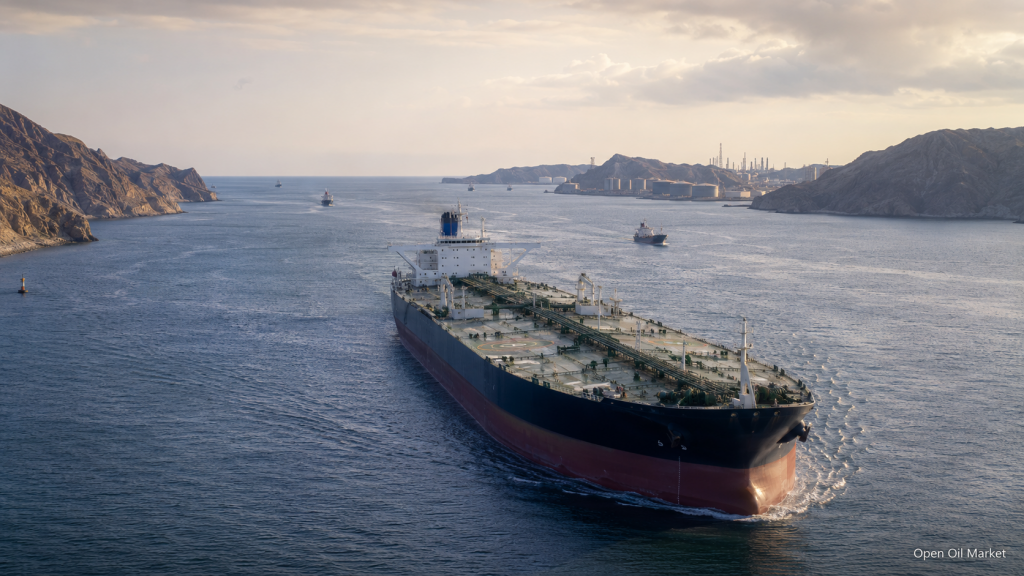
The key focus remains on the Strait of Hormuz. Even with signs of possible diplomatic easing, the market does not automatically return to normal mode: shipowners, insurers, oil companies and buyers of raw materials assess not only political statements but also the physical security of routes, tanker availability, freight costs and supply chain resilience.
Oil: Market Balances between Hope for De-escalation and Real Supply Deficit
Oil prices in late May corrected on expectations of a possible Middle East agreement, but the fundamental picture remains tense. Brent and WTI declined after strong gains in previous weeks, but for investors this does not signal a full trend reversal. The oil market still assesses the likelihood of a prolonged deficit, especially if the restoration of supplies through key maritime routes is slow.
For oil companies and traders, three factors are important:
- actual volumes of available oil, not just stated production quotas;
- cost of delivery and cargo insurance;
- speed of inventory recovery after months of active withdrawal from commercial and strategic reserves.
For the global energy sector, this means oil remains not just a traded asset but an instrument of energy security. Any new report on shipping, sanctions, ceasefires or export restrictions can quickly change prices and refining margins.
OPEC+ and Production: Formal Quota Increases Do Not Solve Physical Export Problem
OPEC+ maintains a course of cautious increases in target production levels, but in current conditions the significance of quotas is limited. For the market, what matters more is countries' ability to actually ship oil to export destinations. If some routes remain constrained, production growth on paper does not always translate into increased supplies for refineries in Asia, Europe and other regions.
Investors should note that the oil market is now split into two realities. The first is official production statistics, OPEC+ decisions and demand forecasts. The second is physical logistics: tankers, ports, insurance, alternative terminals, fleet availability and buyers' willingness to take risks. It is this second reality that increasingly influences prices of oil, petroleum products and sector company shares.
Refineries and Petroleum Products: Deficit Shifts from Crude Oil to Gasoline, Diesel and Jet Fuel
One of the main risks in late May was the transfer of tension from the crude oil market to the petroleum products market. Refineries face limited feedstock availability, high premiums for alternative grades, logistical delays and unstable margins. This is especially important for markets in gasoline, diesel, jet kerosene, fuel oil and petrochemical feedstocks.
For fuel companies and industrial consumers, the situation becomes more complex. Even if oil prices fall after news of negotiations, the cost of diesel or gasoline may remain high due to local processing shortages, refinery maintenance, export restrictions and rising summer demand. In such conditions, companies with flexible logistics, long-term contracts and access to multiple supply sources gain an advantage.
Russia and the Diesel Market: Processing Remains a Vulnerable Link
A separate factor for the global petroleum products market is the decline in diesel output in Russia following attacks on refining infrastructure. For the global energy sector, this is important not only for Russian exports but also for the balance of middle distillates in Europe, Turkey, Asia and the Middle East.
Diesel remains a strategic fuel for freight transport, agriculture, construction, industry and backup power generation. Therefore, any disruptions in refining quickly affect prices, export flows and inventories. For investors, this is a signal: refinery margins and margins for companies dealing with petroleum products may remain elevated, but operational risks also increase.
Gas and LNG: Energy Security Again Outweighs Price Efficiency
The gas market in late May 2026 is increasingly dependent on LNG, long-term contracts and countries' ability to diversify supplies. Europe, Asia and major industrial consumers compete for flexible volumes of liquefied natural gas. At the same time, LNG is becoming not just a fuel source but also a tool for protection against geopolitical and infrastructure risks.
Japan, South Korea, China, India and European countries seek to reduce dependence on individual routes. Interest in new LNG projects in the US, Canada, Australia and the Middle East reflects a long-term trend: the global gas market is moving from a "minimum price" model to a "supply reliability" model. For gas companies, this opens opportunities in production, liquefaction, transportation, storage and trading.
Europe: Gas Storage and Electricity Become Key Risk Ahead of Winter
The European energy market enters the summer period with heightened attention to gas storage filling. Low inventory levels, competition for LNG and uncertainty over hydropower amplify the winter electricity price premium. For Europe, this means even a warm summer could become a risk factor if heat raises demand for cooling and simultaneously worsens hydroelectric output.
The most sensitive areas for the European energy sector:
- speed of gas injection into underground storage;
- LNG prices and competition with Asia;
- state of hydropower after a weak snow season;
- resilience of the power system under peak demand.
For investors, this increases interest in companies involved in gas infrastructure, grids, energy storage, backup generation and flexible electricity supply.
Electricity: Data Centers, AI and Electrification Reshape Demand Structure
One of the most enduring trends in the global energy sector remains rising electricity demand from data centers, artificial intelligence, industrial automation, electric vehicles and digital infrastructure. This changes investment logic: energy is increasingly viewed as foundational infrastructure for the digital economy.
Electricity demand is growing faster than many countries can build grids, substations and generation capacity. Therefore, the market sees increased interest in gas-fired generation, renewables, energy storage, small power nodes and autonomous solutions for data centers. For energy companies, this creates a new growth area at the intersection of gas, electricity, grid infrastructure and technology.
Renewables, Coal and Biofuels: Energy Transition Becomes More Pragmatic
Renewables continue to expand their share of the energy mix, but the gas and oil supply crisis shows that the energy transition is becoming less ideological and more pragmatic. Solar and wind generation are in demand, but power systems need backup capacity, storage and flexible generation. In Asia, amid expensive LNG, some countries increase coal use to maintain electricity supply stability and limit tariff increases.
The biofuels market also sees increased volatility: stricter blending requirements and the gap between biodiesel and traditional diesel prices support corresponding credit instrument values. For oil companies, refineries and fuel traders, this means regulation is becoming an increasingly important margin factor.
What Matters to Investors and Energy Companies on May 31, 2026
The main conclusion for investors, energy market participants, oil companies, gas companies, refineries and fuel operators is that the global energy market has entered a phase of infrastructure reassessment. The price of oil, gas, electricity, coal and petroleum products now depends not only on demand and production but also on the resilience of routes, ports, fleet, storage, grids and processing.
In the coming days, the market should monitor the following indicators:
- shipping traffic through the Strait of Hormuz;
- changes in oil, gasoline and diesel inventories;
- OPEC+ production decisions and actual exports from group countries;
- filling levels of European gas storage;
- LNG prices in Asia and Europe;
- refinery margins and availability of middle distillates;
- rising electricity demand from data centers and industry.
For strategic investors, the current situation creates both risks and opportunities. Risks are related to price volatility, logistics, sanctions, military events and regulatory decisions. Opportunities lie in companies that control infrastructure, have access to raw materials, develop LNG, strengthen refining, invest in electricity, renewables, grids and storage. In 2026, the global energy sector is increasingly becoming a market not only of resources but also of reliability.