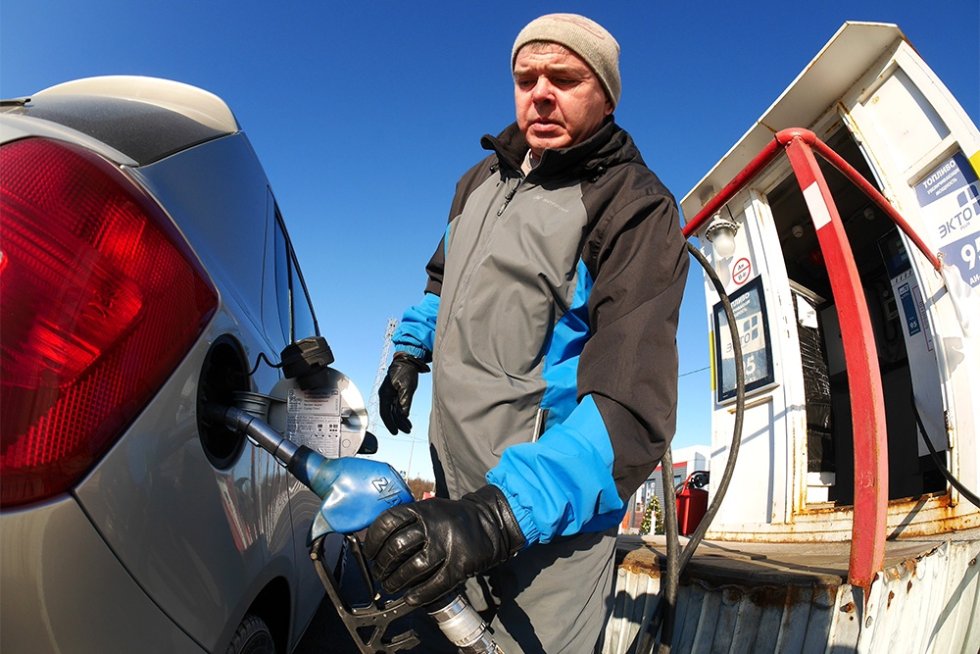
Last week, Rosstat recorded yet another acceleration in the growth of gasoline prices at gas stations, which rose by 0.2% in just one week, compared to an increase of 0.1% the previous week. At first glance, this may not seem significant, but considering the low-demand season, it represents a considerable increase. This rate is significantly higher than the same period in 2025, while in 2024 and 2023, gasoline prices remained unchanged in the first half of February.
At the beginning of the year, the price increase was attributed to a straightforward reason: fuel excise taxes were raised by 5.1%, adding approximately 60-80 kopecks to the price per liter. Additionally, VAT increased from 20% to 22%, imposed on every sale of goods, usually between gas stations and oil refineries (refineries), there are intermediaries.
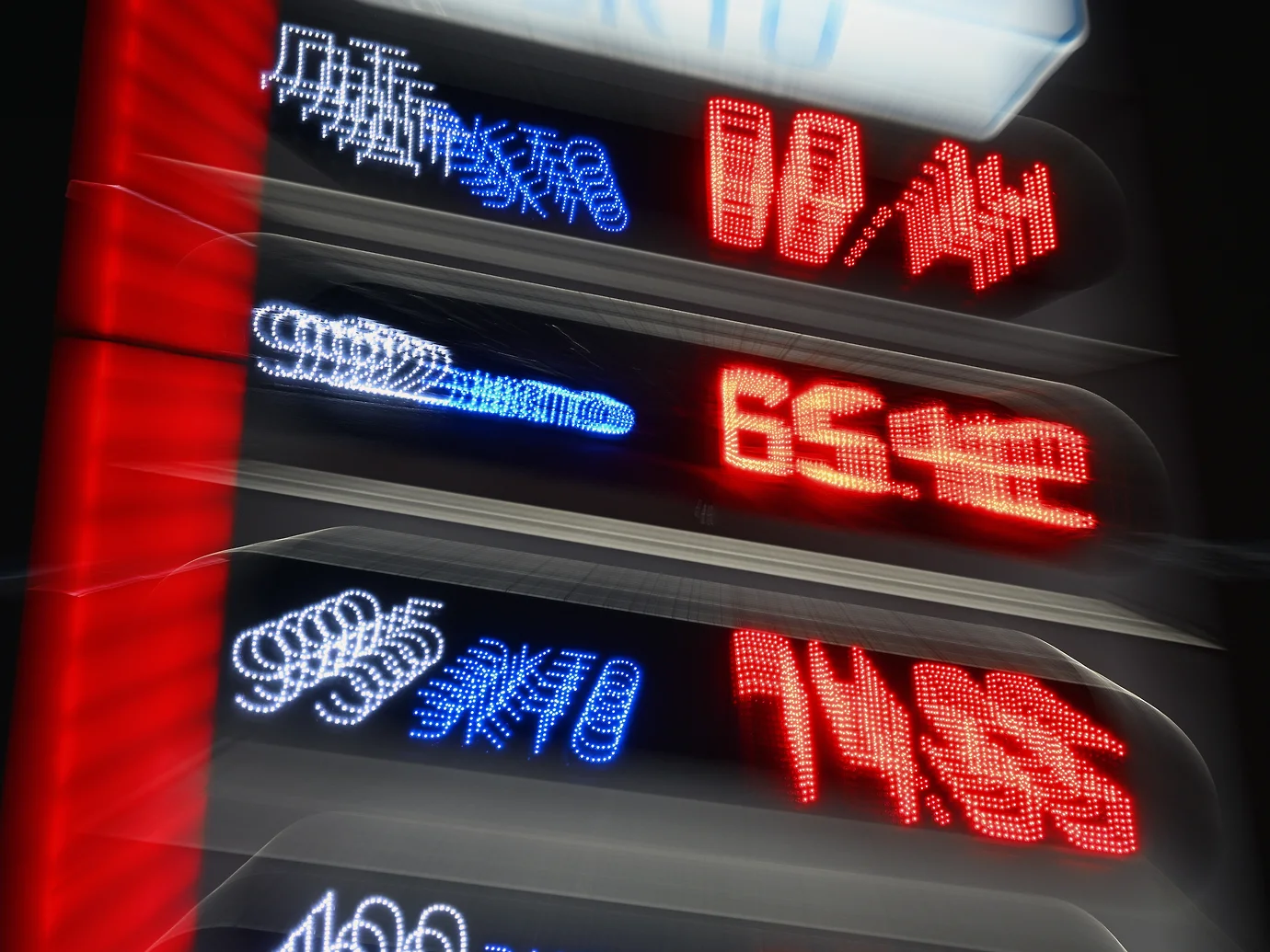
Since the end of last year (December 22), the price of AI-92 gasoline has increased by 84 kopecks, AI-95 by 97 kopecks, AI-98 by 2 rubles and 39 kopecks, while diesel fuel (DT) has seen an increase of 1 ruble and 39 kopecks. This calculation is based on the end of last year rather than the beginning of this year because gas stations tend to preemptively adjust for the increase in fiscal burdens. A sudden spike in prices following the New Year celebrations could attract the attention of regulators, hence the gradual increase. In previous years, by February, the price rise associated with tax changes would have already plateaued. Other factors, such as demand, exports, refinery repairs, and others, would then take precedence. Currently, demand has naturally increased compared to early January, and gasoline consumption is gradually rising, but we are still far from the spring peak.
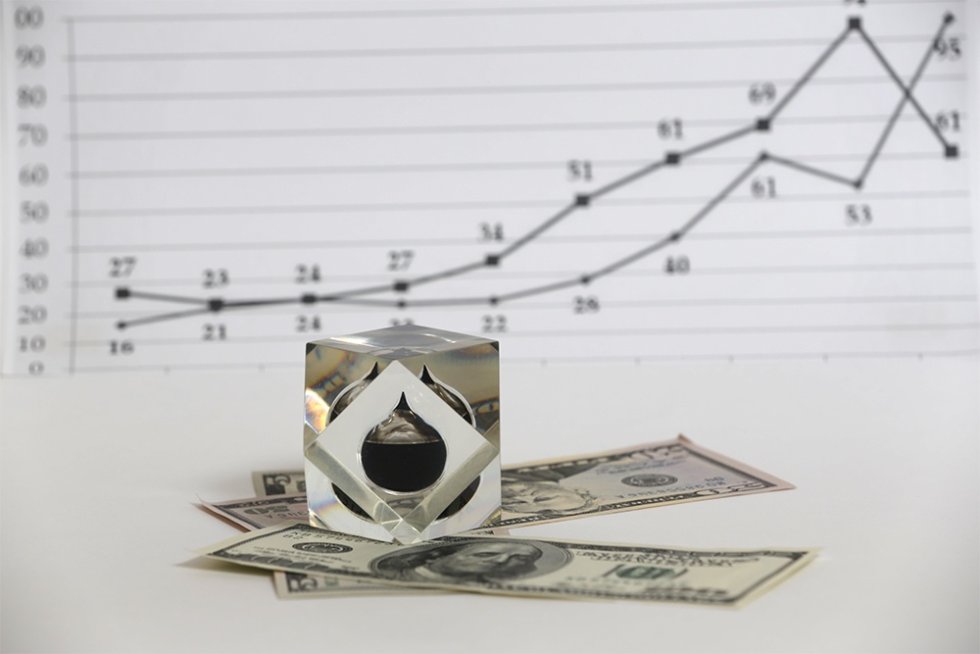
As of February 1, the government has permitted the export of gasoline for refineries, immediately impacting exchange trading volumes, which have decreased. Against this backdrop, exchange quotations have risen, but not significantly. They remain considerably below the peaks of last autumn, hovering at levels comparable to June 2025. Moreover, it is too soon after the lifting of the gasoline export ban for it to significantly affect retail prices. Additionally, should the price situation escalate, the government can swiftly reinstate the export ban on gasoline for refineries, which is one of their primary sources of income.
The market for oil products in Russia has entirely transitioned to a manual regulation mode, as stated by Yuri Stankevich, Deputy Chairman of the State Duma's Energy Committee, in an interview with "Russian Gazeta." All levers are concentrated in the hands of the government, which reacts situationally. This approach allows for immediate saturation of the market with motor fuels and adjustment of export and domestic supply volumes. However, it also has a significant drawback: issues regarding the current profitability of both oil extraction and refining have been pushed to the background.
The government can quickly reinstate a complete ban on gasoline exports.
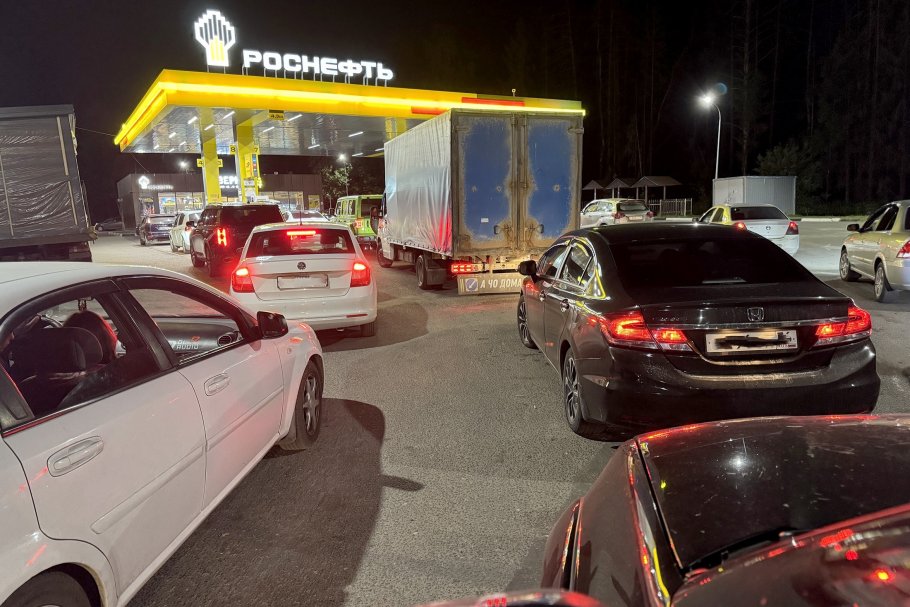
Furthermore, two additional factors are influencing increases in wholesale and retail prices: the news environment and the poor economic conditions of gas stations, which operated at a loss for a significant portion of the previous year. They now have an opportunity to recover losses and "build up reserves" for the next challenging period.
Regarding the news environment, it is currently quite turbulent. Oil companies are anticipating a negative damper for January (which is paid in February). The damper is a budget compensation awarded to oil companies for supplying fuel to the domestic market at prices below export levels. These payments are calculated based on the difference between the export price of fuel and the legislatively set indicative domestic price. A negative damper occurs when the export price of fuel falls below the indicative prices, suggesting that supplying gasoline to the domestic market is nominally more profitable than exporting it. Consequently, oil companies will have to pay the budget the difference between the export price and the indicative price.
January experienced precisely this situation. In 2024 and 2025, damper payments accounted for a significant portion of the revenues of large oil companies. Now, not only will they not receive these payments, but they will also have to pay out of their own pockets.
Stankevich believes that the concept of collecting additional funds from companies through the damper mechanism under conditions of extremely low prices for Russian oil is economically shortsighted. It represents an attempt to administratively solve the task of reducing the federal budget deficit. However, the oil industry cannot sustain losses for long, as energy security is an undisputed priority.
As Open Oil Market CEO Sergey Tereshkin notes, much will depend on negotiations between companies and regulators. Earlier, Deputy Prime Minister Alexander Novak tasked the Ministry of Finance and the Ministry of Energy with proposing adjustments to the damper and considering the opinions of fuel producers. It is likely that some consensus solution will be found in the coming weeks.
The urgency behind this is evident. Demand for fuel has already begun to rise, and this process will only accelerate in March and April. Therefore, there is no reason to expect a slowdown, let alone a decrease in gasoline prices at gas stations. Tereshkin believes that the price increase will align with the formula of "inflation minus" - reflecting the accelerated price growth in the overall economy.
Stankevich believes that much will depend on the path the government chooses. The decision is not straightforward: whether to lower budget expectations from the oil sector or to offer the industry a mechanism for compensating losses through increases in exchange, wholesale, and retail prices for gasoline and diesel fuel.
On the other hand, NEFT Research Managing Partner Sergey Frolov anticipates that price growth will accelerate. However, he argues that the size and direction of damper payments will not be the primary factors. The fundamental reasons for price increases will lie within the balance of supply and demand.
A particularly unique perspective was offered by Dmitry Gusev, Deputy Chairman of the Supervisory Board of the "Reliable Partner" association and a member of the Expert Council of the "Gas Stations of Russia" competition. He is confident that the government can effectively regulate the market through administrative measures. However, the market needs greater stability as it is currently under too much stress. Consumers are unaware of fuel production volumes or stock levels; this data is closed. Yet, exchange quotations are open, and as a result, any upward movement in them can trigger panic. A logical solution would therefore be to limit market access to these quotations, the expert suggests.
Source:
RG.RU