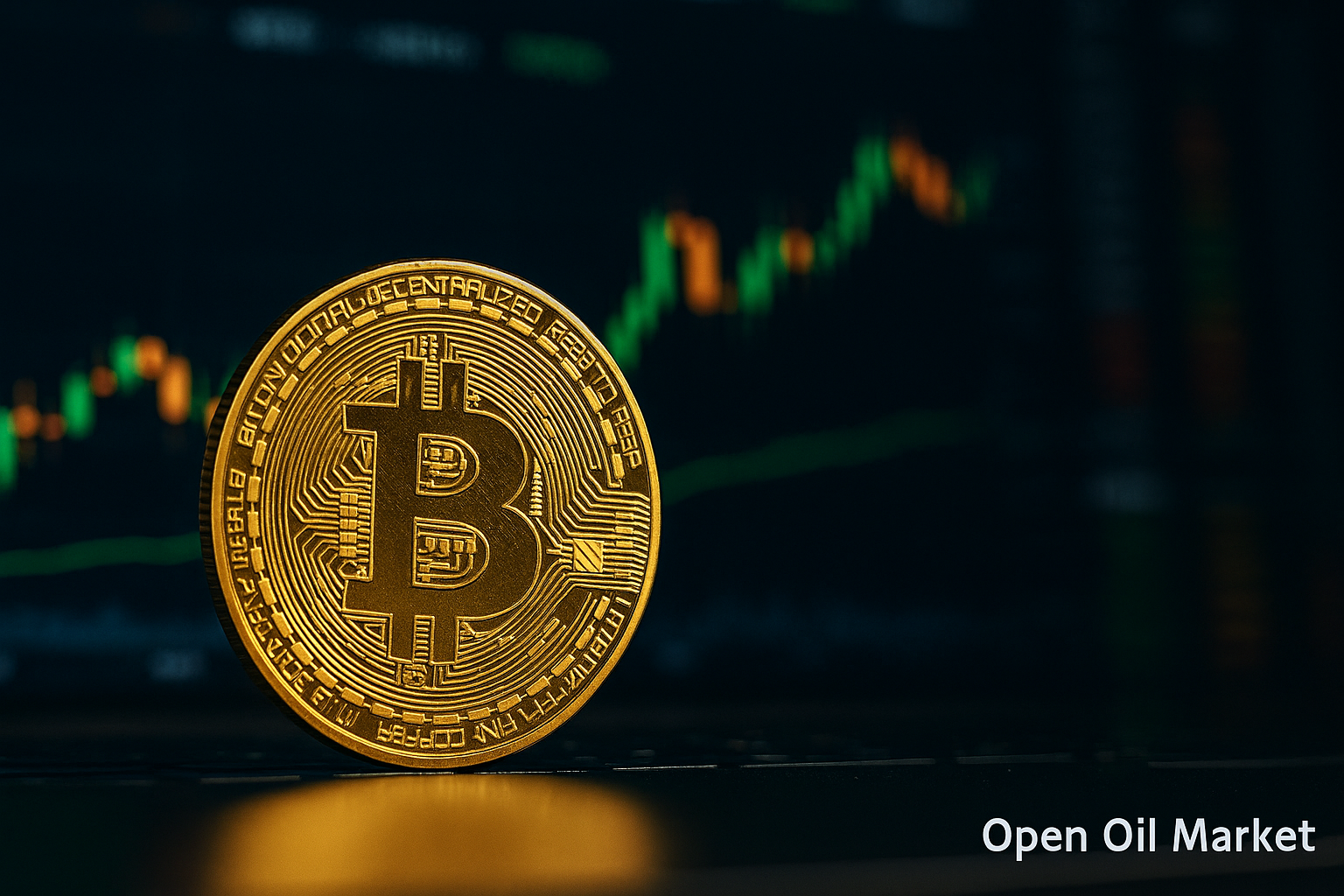
Market Analysis of Cryptocurrencies as of December 14, 2025: Bitcoin, Ethereum, Top 10 Cryptocurrencies, Market Movement, Trends, and Forecasts for Investors
As of Sunday, December 14, 2025, the cryptocurrency market is showing signs of stabilization after a period of high volatility in the preceding weeks. The total capitalization of digital assets remains around $3.2 trillion, with Bitcoin firmly positioned near the psychologically significant mark of $90,000, amidst a December easing of monetary policy in the U.S. The Federal Reserve has lowered interest rates and effectively resumed its economic stimulus program, improving overall market sentiment within the crypto industry.
However, investor sentiment remains cautious. The Fear and Greed Index for the crypto market is currently in the "extreme fear" zone, reflecting prevailing uncertainty. Throughout 2025, the correlation between Bitcoin and altcoins with traditional risk assets has intensified: price dynamics are increasingly responsive to fluctuations in the stock markets and statements from regulators. The explosive growth followed by a subsequent correction of high-tech stocks (such as those related to AI) has contributed to the volatility of cryptocurrencies.
Bitcoin (BTC)
Bitcoin is trading around $90,000 at the end of the week, struggling to maintain this support level. Back in early October, the flagship cryptocurrency reached an all-time high of over $126,000, but since then, the markets have experienced a sharp downturn. This drop was triggered by a number of macroeconomic shocks, including the announcement of new U.S. tariffs in October, which caused a wave of liquidations in the market (around $19 billion) and a price crash. Consequently, Bitcoin has yet to regain its lost positions: November was the worst month for BTC since 2021, and a potential first annual decline since 2022 looms if prices do not rise above early-year levels.
The correlation with stock indices has significantly increased this year—crypto investors are reacting sensitively to mood changes in traditional markets, particularly in the technology sector. In the near term, traders are monitoring a range of ~$85–90,000: if a break below occurs, selling may intensify down to the $80,000 area (the next substantial support), while positive factors may bolster the price. The launch of the Fed's quantitative easing program (asset purchases) is providing additional liquidity to markets and could serve as a much-anticipated tailwind for Bitcoin at the beginning of 2026. Major institutional holders of BTC are currently cautious: some have even lowered their price forecasts for the end of the year closer to current levels. Nonetheless, many investors view the current weakness as a late-cycle phase before a potential new surge for Bitcoin following the stabilization of the macroeconomic situation.
Ethereum (ETH)
Ethereum, the second-largest cryptocurrency by market capitalization, is trading around $3,100. After summer peaks (in August, ETH surged to ~$4,800), Ether has undergone a significant correction, retreating by approximately one-third. Nonetheless, Ethereum exhibits relative resilience: at the start of December, ETH even outpaced BTC in recovery rates, supported by high demand for staking and the development of Layer 2 solutions. In 2025, the Ethereum network solidified its position as the primary platform for decentralized finance (DeFi) and other blockchain applications. The influx of institutional investors into Ether has continued, driven by the launches of exchange-traded funds (ETFs) on ETH and the successful integration of network upgrades, which have made staking more attractive.
Currently, Ether is consolidating in the $3,000–3,200 range. Key support levels are around $3,000, while resistance is near $3,400; a breakout beyond these boundaries will indicate the direction of the next trend. The overall sentiment for ETH is cautiously optimistic: it is expected that with an improvement in market liquidity and a decrease in regulatory risks, Ether could resume its upward trajectory. Fundamental indicators for the network (user activity, transaction volumes, and amounts locked in DeFi) remain robust, underpinning a long-term positive outlook for Ethereum.
XRP
The XRP token (Ripple) is trading near $2.04 and ranks among the largest cryptocurrencies alongside BTC and ETH. The year 2025 has turned out to be a year of comeback for XRP: after successfully resolving legal disputes in the U.S. regarding its status, the Ripple project has received a influx of positive news. An increase in the use of XRP for international payments has fueled the rise in the coin's value. Ripple has formed several partnerships, including participation in pilot projects for central bank digital currencies (CBDCs) in Asia and the Middle East, and the throughput of the RippleNet network has significantly increased. Against this backdrop, XRP has surged throughout the year, re-establishing itself as a significant institutional instrument for cross-border payments.
In recent weeks, XRP has corrected about 5% from local highs (above $2.20), reflecting a general cooling of the market. Nevertheless, the current levels are double the values from a year ago, and XRP retains most of its gained positions. Investors continue to regard it as one of the major beneficiaries of the mass adoption of blockchain technologies in the banking sector, hence interest in XRP remains high even amidst temporary market dips.
Binance Coin (BNB)
Binance Coin has strengthened around the $890–900 mark, staying close to its record levels. In 2025, BNB has demonstrated outperforming growth: demand for it has surged alongside the expansion of the Binance ecosystem. The BNB Chain network has attracted new users in DeFi and gaming, while regular quarterly BNB burns have reduced token supply, supporting the upward trend. The current price of BNB significantly exceeds the highs of the previous cycle, indicating community trust in the Binance ecosystem.
Despite intensified regulatory scrutiny regarding global cryptocurrency exchanges, Binance has maintained a leading position in trading volume, and the BNB token remains in demand for transaction fee payments and participation in applications on BNB Chain. In 2025, BNB outperformed many other top assets. The nearest task for this asset will be to confidently surpass the $900 mark: if successful, BNB will have the potential for further growth, especially if market sentiment improves.
Solana (SOL)
Solana holds the 7th position by market capitalization, with its price currently around $132. This reflects an impressive recovery of SOL following the crisis at the end of 2022: over the past year, the coin has more than doubled from its lows. In 2025, Solana established itself as one of the fastest-growing blockchain platforms: the number of active wallets and transactions on its network has reached records due to high throughput and minimal fees. The Solana ecosystem has significantly expanded. This year, the Saga smartphones based on the Solana Mobile Stack went on sale, aimed at simplifying user access to Web3 applications. Popular Solana services, such as the Phantom wallet and the Jupiter decentralized exchange, have noted record daily user volumes, and the NFT ecosystem of Solana has strengthened through integration with blockchain gaming.
Although the current SOL price is still approximately half its all-time high ($260 in 2021), many investors view the long-term prospects of the project positively. Solana has managed to transition from the status of a "speculative platform for meme coins" to an image of a high-performance infrastructure for applications. If further network development continues at the same pace, Solana has a chance to solidify its position among leading next-generation platforms, attracting both retail and institutional investors.
Other Major Altcoins
Among other leading cryptocurrencies, mixed trends are observed. **Tron (TRX)**, ranked 8th by market capitalization, is trading around $0.28 and continues to gradually strengthen. This is supported by the active use of Tron in stablecoin operations and in decentralized applications, especially in Asian markets, ensuring stable demand for TRX. **Cardano (ADA)** is holding in the vicinity of $0.42. The Cardano project launched a series of technical upgrades in 2025 to enhance scalability and new DeFi protocols, but ADA's price remains significantly below its historical peaks. This reflects both the broader market decline and strong competition among smart contract platforms.
**Dogecoin (DOGE)**, the 9th largest cryptocurrency, is trading around $0.13. This year, interest in meme coins has been moderate: after the surges of previous years, DOGE has not set any new records. Nonetheless, Dogecoin maintains the support of an active community and periodically receives growth stimuli due to mentions in media and social networks. DOGE remains among the top ten largest coins, demonstrating the resilience of the meme cryptocurrency phenomenon.
Notably, the rise of **Bitcoin Cash (BCH)** should be highlighted. In December, the price of this Bitcoin fork climbed above $600, reflecting a growth of approximately 10% over the week and bringing BCH close to the top 10. Some speculative market participants have taken an interest in BCH amidst its relatively low price compared to Bitcoin. However, in terms of functionality and adoption level, BCH substantially lags behind the original BTC network, so the sustainability of this growth remains in question.
Major stablecoins continue to play a key role in the market as well. **Tether (USDT)** and **USD Coin (USDC)** maintain their peg to the dollar (≈$1.00) and provide high trading liquidity. The combined market capitalization of USDT and USDC exceeds $260 billion, with no significant price fluctuations or loss of trust in these tokens. The stability of stablecoins serves as an essential support for the cryptocurrency market, particularly during periods of heightened volatility.
Promising Altcoins and DeFi Projects
Outside the top ten, investors are looking for promising altcoins and new decentralized finance projects, anticipating growth points in 2026. One notable trend is the development of Layer 2 solutions for Ethereum and other networks. Tokens from certain L2 platforms (such as Base, Mantle, and others) demonstrated outperforming dynamics in December, signaling a strong interest in reducing fees and accelerating transactions. Concurrently, the segment of real asset tokenization (RWA) is gaining traction: in 2025, digital analogues of goods, currencies, and securities are increasingly being issued on the blockchain. This is bringing new institutional players into DeFi, as it allows linking the yield of traditional financial instruments with the flexibility of crypto platforms.
Among the most promising projects are:
- Chainlink (LINK) – a blockchain oracle protocol that connects smart contracts with real-world data. In 2025, Chainlink solidified its role as a critically important infrastructure for the DeFi ecosystem (providing price feeds, weather data, sports, etc.), accompanied by a rise in LINK’s price to ~$13.
- Aave (AAVE) – one of the largest decentralized lending platforms. After a decline in the fall, the AAVE token has bounced back; this week, quotes rose to ~$200. Investors expect that falling rates and improved sentiment will lead to a new influx of liquidity into lending protocols, strengthening Aave's position in the market.
- MakerDAO (MKR) – the creator of the DAI stablecoin and one of the oldest DeFi protocols. In 2025, the project shifted towards a strategy of holding reserves in real assets (U.S. Treasuries, etc.) to ensure sustainable returns. The governance token MKR has attracted attention in this context, while DAI has maintained its stability. MakerDAO illustrates the trend of aligning DeFi with traditional finance for enhanced reliability.
At the same time, the DeFi sector has faced challenges: in the past year, hacker attacks and technical failures have become more frequent. In November alone, the total damage from hacks of protocols was estimated at around $168 million, negatively affecting user trust. Outflows from certain platforms resulted in a more than 20% decrease in the total value locked (TVL) in decentralized finance within a month. These events highlighted the need for enhanced cybersecurity and insurance mechanisms in the industry.
Despite temporary difficulties, the fundamental prospects for altcoins and DeFi remain positive. Developers are implementing new economic models (e.g., dynamic interest rates, deflationary token mechanisms, insurance pools) to increase protocol resilience. Regulators are paying more attention to this area, which may lead to clearer rules and the attraction of substantial institutional capital. As monetary policy eases and risk appetite revives in 2026, the most innovative crypto projects stand to emerge as leaders in the next growth phase, reigniting investor interest in the cryptocurrency market.