Analytical Review of Key Economic Events and Corporate Reports for Sunday, January 4, 2026: Continued Holiday Tranquility with Minimal Data and Preparations for the First Trading Week of the Year.
Sunday, January 4, 2026, unfolds amidst a lingering calm in global markets following the New Year celebrations. Major exchanges in the US and Europe are closed for the holiday, and trading activity remains subdued as investors assess the outcomes of 2025 and formulate strategies for the new year. No macroeconomic publications or significant corporate reports from major companies are anticipated today, and there are no new drivers for price movements. Nonetheless, market participants are using this pause to analyze released data and prepare for the first full-fledged trading week of 2026, when fresh statistical indicators and reports will begin to emerge.
Macroeconomic Calendar (MSK)
No significant macroeconomic statistics are scheduled for release on Sunday, January 4. Most government agencies and central banks are taking a break for the holidays, resulting in a lack of recent benchmarks. The absence of new data leaves markets without fresh guidance until the start of the working week.
USA (S&P 500 Index)
- The American markets are not conducting trades on this holiday, and no economic indicators or quarterly reports from S&P 500 companies are due on January 4. Investors in the US are reflecting on year-end dynamics: during the last week of December, the S&P 500 index exhibited moderate growth amidst expectations of a softer Federal Reserve policy in 2026.
- The Federal Reserve confirmed its shift towards a more accommodative policy during its December meeting following a series of interest rate cuts in the second half of 2025. Slowing inflation closer to target levels and a stable labor market enable the regulator to signal its readiness to support economic growth. These expectations have bolstered appetite for riskier assets.
- US long-term Treasury yields have stabilized after a recent decline, reflecting investor confidence that inflationary pressures remain under control. The imminent release of key jobs data (December Non-Farm Payrolls will be published at the end of the first week of January) is in focus — its outcomes will help determine further sentiment on Wall Street at the beginning of the new year.
Europe (Euro Stoxx 50 Index)
- European markets are also closed on January 4, with no new macroeconomic events in the region. The pan-European Euro Stoxx 50 index ended 2025 without significant changes, remaining near year-long highs. The decrease in inflation towards the end of the year has alleviated pressure on the European Central Bank, which has signaled a likely end to its rate hike cycle. Bond yields across the Eurozone have stabilized, and the banking sector is receiving a breather as it anticipates easing credit conditions in 2026.
- Among Europe’s corporate sectors, there was a mixed performance in the outcomes of the last quarter: banks reported profit growth against the backdrop of previously high rates, while industrial companies faced increased costs due to expensive energy resources. Investors in European exchanges are awaiting new data (such as business activity and consumer confidence indexes in early January) to assess the prospects for corporate profits in the first quarter of the new year.
Asia (China and Japan Markets)
- In Asia, key exchanges are closed on January 4, but attention is focused on economic signals. In China, December's PMI indexes indicate moderate growth in the services sector amid weak industrial recovery, signaling a gradual stabilization of the economy (Chinese authorities have promised additional stimuli in 2026). The Japanese Nikkei 225 is holding near multi-year highs, supported by a weak yen and the ultra-loose policy of the Bank of Japan: despite inflation above 2%, the regulator has yet to curb stimulation, which supports exporters’ profits.
Commodity and Currency Markets: Oil, Gold, and Ruble
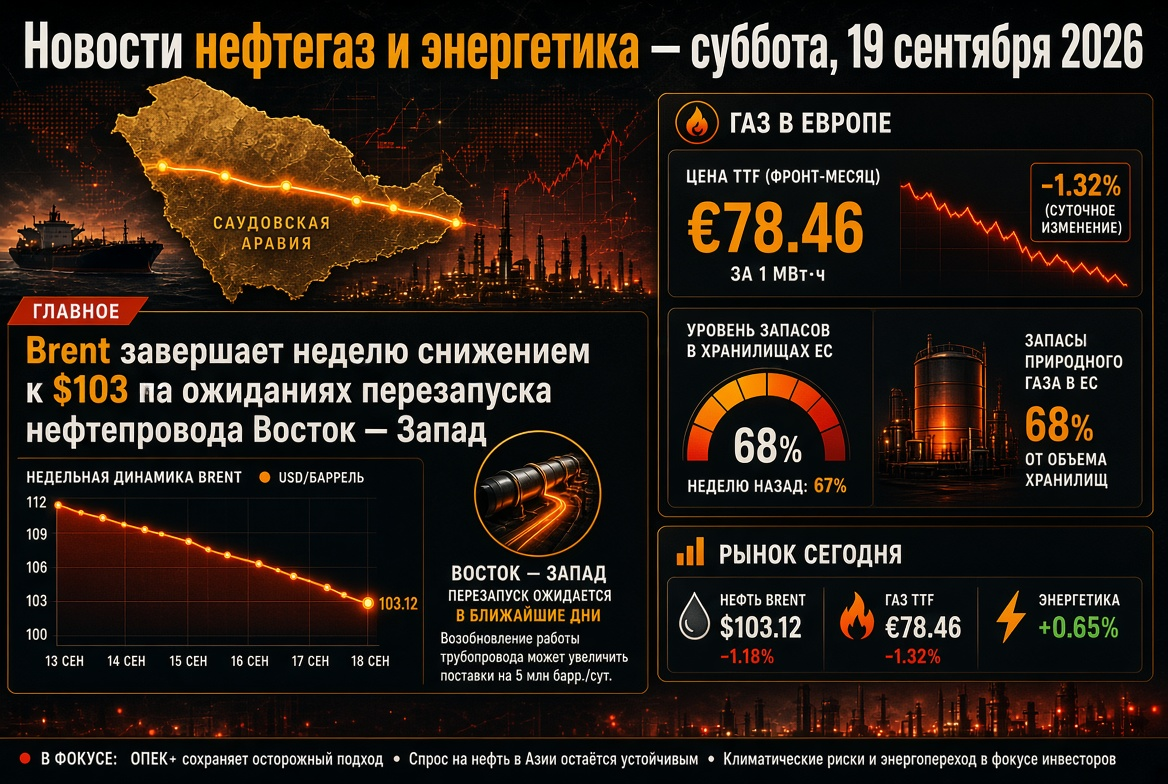
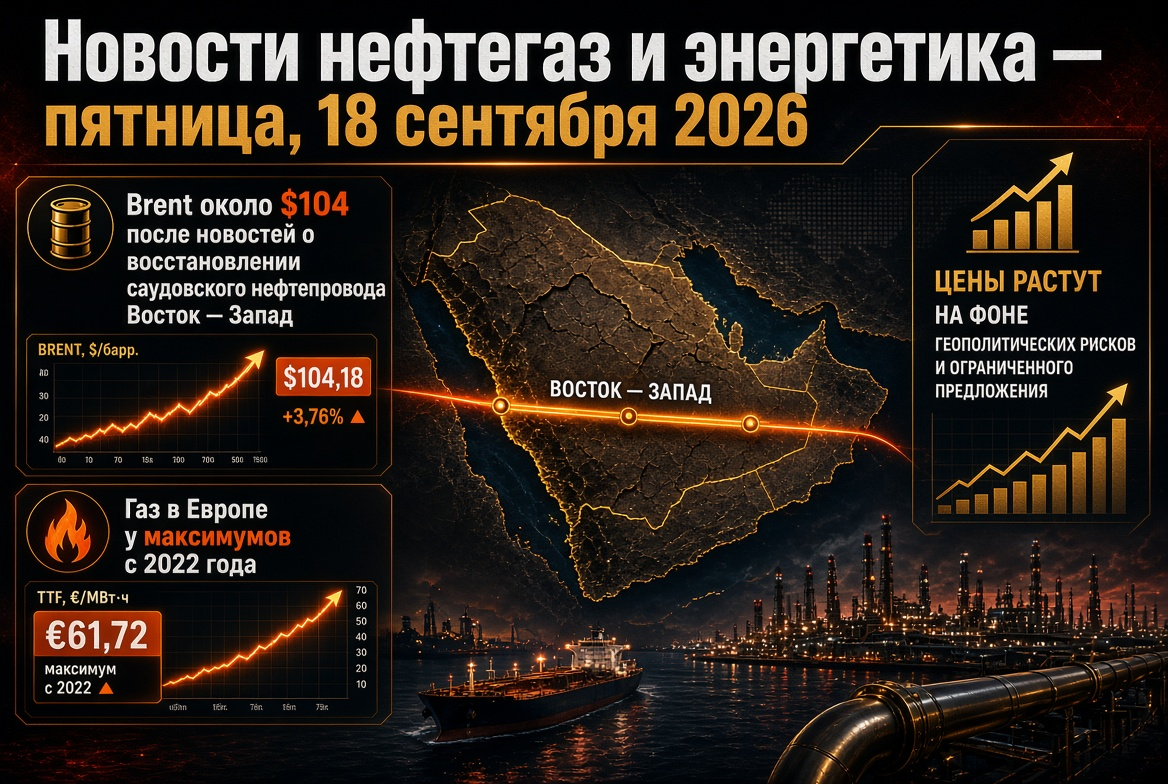
- Brent crude oil prices remain near $75–80 per barrel, stable thanks to extended production limits from OPEC+ and solid demand; the lack of news over the weekend has not led to price fluctuations. Gold prices are also calm, trading around $2000 per ounce with minimal volatility: towards the end of 2025, gold slightly appreciated due to a weaker dollar and demand for safe assets, and expectations of peak interest rates continue to support interest in the precious metal.
- The ruble demonstrates stability over the weekend. The official exchange rate of the Russian currency hovers around the level of the last closing (approximately 75 rubles for 1 US dollar); however, trading volumes are minimal due to the holiday season and the pause on the Moscow Exchange. The absence of external shocks and relatively stable oil prices support the ruble. Volatility in the Russian currency market will return with the opening of trading after the New Year holidays; then, the ruble’s exchange rate will start to react to dollar dynamics on Forex, energy prices, and any potential news about sanctions or economic policies.
Corporate Sector: Reporting and Company Prospects
- The global corporate calendar on January 4 is empty — no major public companies from the S&P 500, Euro Stoxx 50, Nikkei 225, or Moscow Exchange are publishing financial results today. The quarterly reporting season for Q3 2025 wrapped up back in November, and now there is a pause before the start of the new reporting cycle. Major corporations traditionally avoid significant announcements during the holiday period, so the news flow from businesses today is neutral.
- In the US, the start of the reporting season for Q4 2025 is on the horizon: from the second decade of January, major banks and technology giants will begin to report. Investors are cautiously optimistic about these releases — profit forecasts are generally positive thanks to steady consumer demand and easing inflationary pressures. The previous season (Q3 2025 results) was successful for the American market, with most companies exceeding profit expectations. For instance, Microsoft reported a significant increase in the cloud division's revenue, while Walmart noted high retail sales, reinforcing confidence in consumer activity.
- In Europe, the publication of financial results for the full year of 2025 will begin closer to February, making January a traditionally quiet period for the European corporate calendar. However, reports for Q3 exhibited relatively decent performance: many companies managed to retain profitability. The banking sector in Europe benefitted from higher interest rates in the first half of the year, while manufacturing corporations faced cost pressures. Investors in the region are now focusing on macro indicators to gauge whether corporate profit growth will continue amidst a slowing economy.
Russia (Moscow Exchange Index)
- The Russian market is closed on January 4 for New Year holidays (trading on the Moscow Exchange will resume after January 8), hence no financial reports from major companies or corporate events are taking place today. As of December, the Moscow Exchange index maintained relative stability due to high energy resource prices and the easing of monetary policy in Russia. Most leading companies reported for the nine months of 2025 back in the fall, showcasing resilient results: oil and gas giants benefitted from high oil and gas prices, while banks noted increased lending activity against the backdrop of the Bank of Russia’s key rate cut.
- Now, the focus for the Russian market shifts to the external backdrop and governmental decisions. In the coming days, attention will be directed to oil price dynamics and the ruble exchange rate, which will set the tone for the Russian market at the reopening. Additionally, investors are monitoring potential statements from the Russian government at the beginning of the year — for example, regarding fiscal policy or support measures for specific industries. Any such news, along with global trends that emerge during the holiday pause, will underpin the movement of the Moscow Exchange index in the initial trading sessions of January.
Day's Outcomes: What to Watch for Investors
- Monetary Policy of the Fed and ECB: Even in the absence of new events, it is important to consider comments and signals from central banks. If any statements from representatives of the US Fed or ECB regarding interest rate prospects emerge over the weekend, this could influence sentiment at the start of the week. Markets are pricing in a policy easing, and any surprises in the rhetoric of regulators could recalibrate this optimism.
- Data from China: Statistics coming out of China in these days (such as PMI indexes or trade figures) will affect global risk appetite. Unexpectedly strong or weak numbers from China could set the tone for trading in Asia and, indirectly, in Europe and the US. Investors should pay attention to publications from the second-largest economy in the world to assess its state at the beginning of the year.
- Commodity Prices and Geopolitics: Despite the holiday, it is advisable to keep an eye out for news that could impact oil, gas, and metals prices. Any unplanned announcements from OPEC+ or geopolitical events (such as conflicts or sanction decisions) could trigger price spikes in commodities upon market opening. This will reflect on the shares of commodity companies and the currencies of commodity-exporting countries (including the Russian ruble).