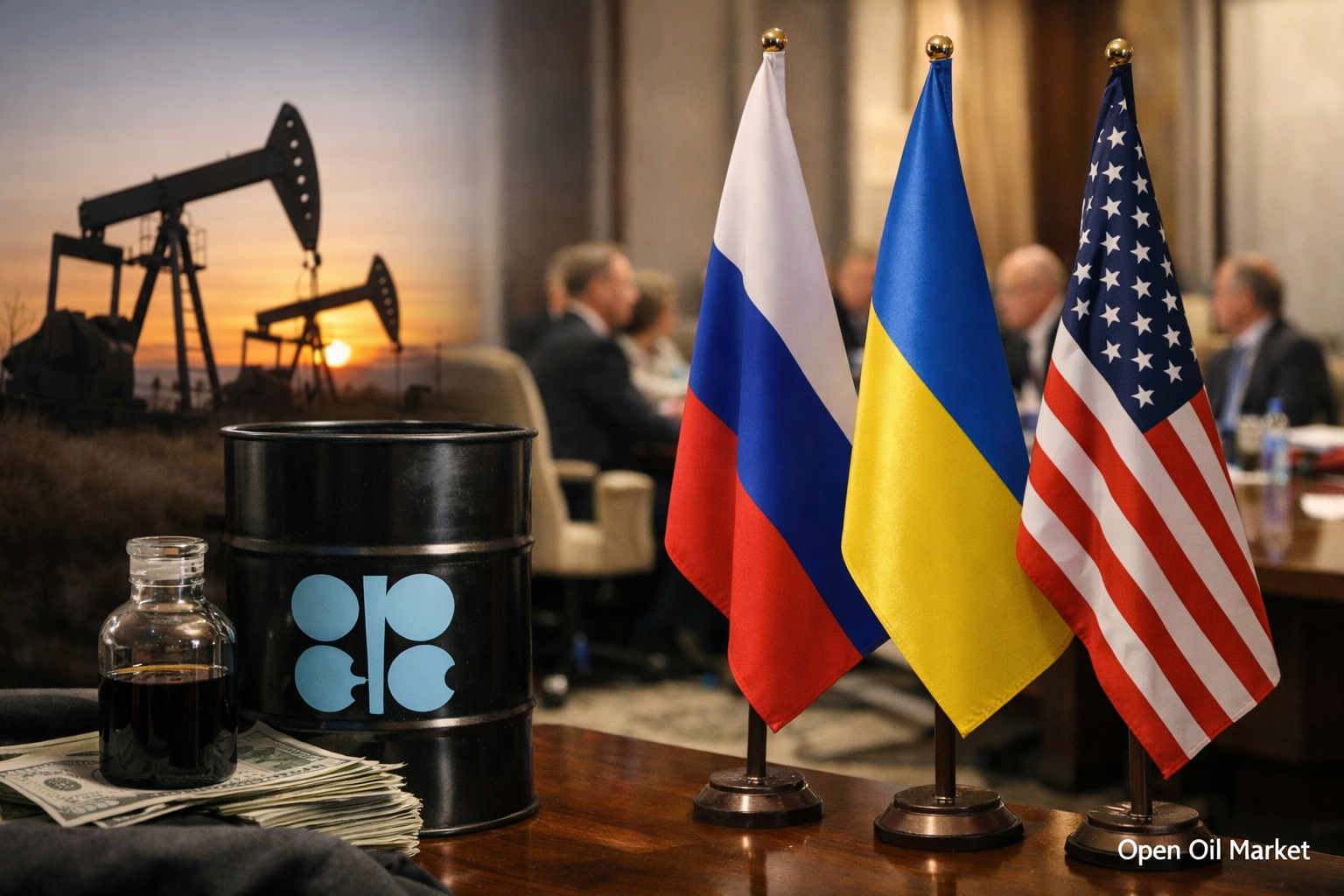
Key Economic Events and Corporate Reports for Sunday, February 1, 2026: Russia-Ukraine-U.S. Negotiations, OPEC+ Meeting, and the Start of the Month with PMI, as well as Reports from Companies in S&P 500, Euro Stoxx 50, Nikkei 225, and MOEX
The first Sunday of February 2026 sets the tone for a new week, combining geopolitical and commodity-driven factors. On the global stage, negotiations to resolve the conflict in Ukraine are taking place in Abu Dhabi, mediated by the U.S. A potential breakthrough on this front could influence investor sentiment worldwide. Concurrently, OPEC+ countries are convening to discuss oil policy amidst oil prices hitting multi-month highs. The macroeconomic agenda is relatively calm today, with limited data released over the weekend; however, as the new week begins, markets will receive crucial indicators, including the Purchasing Managers' Index (PMI) for China's manufacturing sector and the ISM index for the U.S. On the corporate side, the earnings season is ongoing, with investors keenly awaiting results from major companies in both the U.S. (e.g., Disney) and globally, assessing their impact on stock markets. For the Russian market, external factors remain key—oil price dynamics following the OPEC+ decision, the ruble's exchange rate, and the geopolitical situation, as there are minimal significant domestic events scheduled for today. Investors from CIS countries should bear this global context in mind when preparing for Monday's market opening.
Macro Economic Calendar (MSK)
- All-day event – Abu Dhabi, UAE: A trilateral meeting between representatives of Russia, Ukraine, and the U.S. on resolving the Ukrainian conflict (continuation of the negotiations, discussion of ceasefire terms and territorial issues).
- All-day event – Vienna, Austria: Meeting of OPEC ministers and allied countries under the OPEC+ agreement (the monitoring committee discusses compliance with production quotas and prospects for oil policy in the coming months).
- 04:00 (Mon) – China: Manufacturing PMI for January. Expected around neutral level 50, indicating stabilization in the sector after the fluctuations of recent months.
- 18:00 (Mon) – USA: ISM Manufacturing PMI for January. The first key indicator of U.S. economic activity in 2026, reflecting the state of the industrial sector and new orders in manufacturing.
Geopolitics: Ukraine Negotiations in Abu Dhabi
- Continuation of Peace Dialogue. The second round of trilateral negotiations between Russia, Ukraine, and the U.S. on conflict resolution is ongoing in Abu Dhabi. The first round took place here on January 23-24 and laid the groundwork for further discussions. The central theme of the meeting is territorial disputes: the parties are attempting to find a compromise regarding control over contested regions. Previous contacts have been assessed by participants as constructive; according to media reports, the delegations were able to concretely discuss parameters for a possible ceasefire and mechanisms for monitoring it, which inspires cautious optimism.
- Positions of the Parties and Prospects. The negotiations are being mediated by the U.S.; however, this current meeting likely retains a primarily bilateral focus between representatives from Moscow and Kyiv. Kyiv continues to publicly rule out territorial concessions: President Volodymyr Zelensky stated he is unwilling to make compromises that would undermine Ukraine’s territorial integrity. Moscow, on the other hand, insists on its “red lines,” including the status of Donbas and Crimea as part of Russia. Nevertheless, the mere fact that the territorial issue has been brought to the forefront indicates that other topics (such as ceasefire arrangements, humanitarian issues, and the situation around the Zaporizhzhia nuclear power plant) have either already been discussed or postponed. U.S. mediators express hope that this round may bring the parties closer to preliminary agreements. According to sources, progress has been made on the details of a potential agreement, and there is a chance of reaching some framework document that the U.S. would be willing to support with each side separately.
- Markets Are Watching the Outcome. Investors view these negotiations through the lens of global risk and premiums for uncertainty. Any signs of a breakthrough—such as an agreement on a long-term ceasefire or a roadmap to a peace accord—could alleviate geopolitical tensions. This, in turn, could bolster risk appetite in global equity markets: stocks of European companies and currencies of developing countries (including the ruble) could gain support from the reduced war premium, while commodity prices (oil, gas, wheat), which partially price in military risk, may adjust downward. Conversely, if negotiations reach a deadlock or are disrupted, markets may react with increased demand for safe-haven assets—gold, the U.S. dollar, government bonds—and heightened volatility at the start of the week, especially in sectors sensitive to frontline news (oil, defense, European markets).
OPEC+: Oil Policy Meeting
- Expectation of Quota Maintenance. OPEC+ countries are holding a scheduled meeting where it is expected that current limits on oil production will be extended unchanged for at least the first quarter of 2026. Previously, the alliance agreed to suspend production increases in February and March, and five delegates in OPEC+ told Reuters that the current meeting will likely not make adjustments to this policy. Key participants—Saudi Arabia, Russia, the UAE, and others—have signaled their readiness to adhere to previously agreed production levels, seeking to maintain market balance and keep oil prices at comfortable levels.
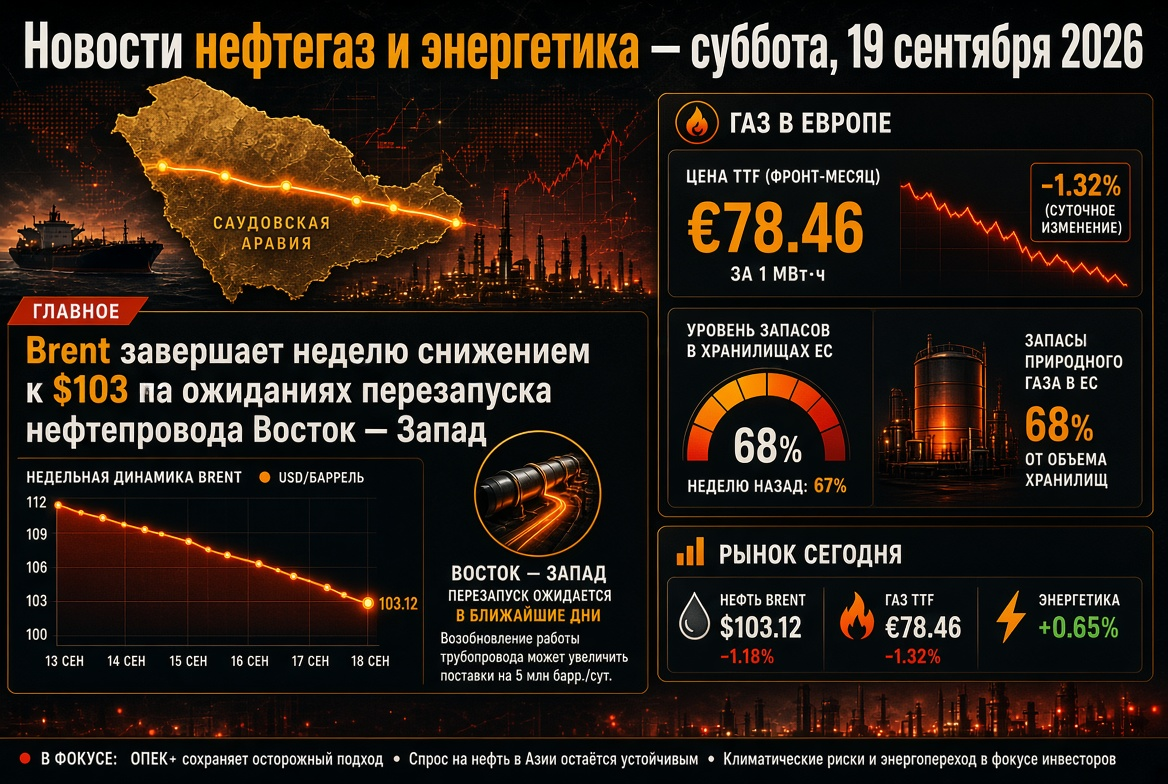
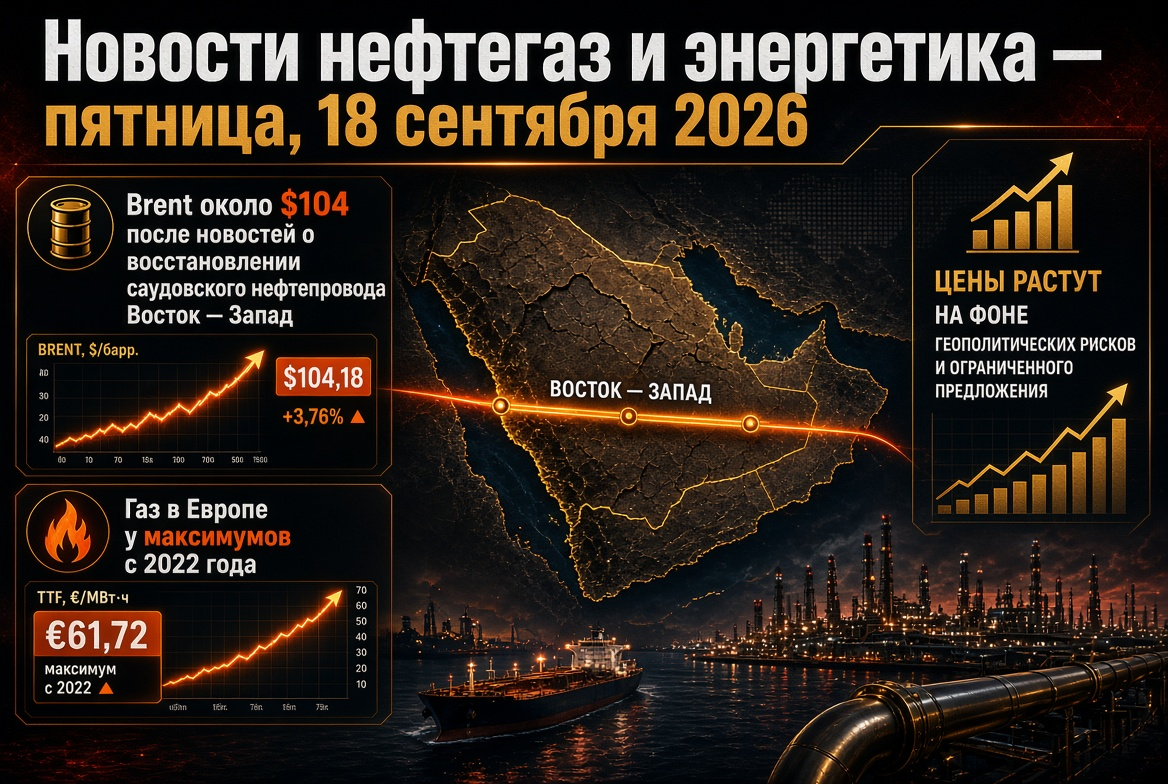
- Oil Prices and Context. Oil prices have reached highs not seen since late summer: Brent is trading in the range of $70-75 per barrel following increased prices in January. The rise in prices has been supported by a combination of factors: geopolitical tension in the Middle East (increased U.S. sanctions pressure on Iran and threats of military action) added an additional risk premium to the market, and unscheduled supply disruptions (such as recent halts at the massive Tengiz field in Kazakhstan) restricted supply. In this context, OPEC+ is unlikely to want to increase production—rather, it will likely maintain a waiting position to avoid oversaturation of the market during a seasonally weaker demand period.
- Market Reaction to Oil. The baseline scenario of "no changes" is largely priced in and will be received neutrally by the market: oil will likely remain in its current range of fluctuations, and shares of oil and gas companies on global exchanges (as well as the MOEX index, where the commodity sector has a high share) will show stable dynamics. However, it is crucial for investors to monitor statements following the meeting. Any hints at future steps—such as discussing conditions for a possible increase in production in the second quarter or, conversely, readiness to extend constraints until mid-year—could amplify price fluctuations. If disagreements arise among participants or unexpected proposals (such as an unplanned reduction or increase in production) are announced, it will add volatility to the oil market: additional constraints will push prices up, while signals about potential increased supply could trigger short-term downward price adjustments.
Industrial Sector: PMI for China and ISM for the U.S.
- China: Signs of Stabilization. January data on business activity in China's manufacturing sector sets the tone for the entire Asian region. The official PMI index for China is expected to hover around the crucial mark of 50 points, separating growth from decline. At the end of 2025, the Chinese economy faced a slowdown; however, stimulus and stabilization measures undertaken by Beijing (including a relaxation of credit policies and support for the real estate sector) could have prevented further decline in industry. If the PMI comes in above forecasts and exceeds 50, it will indicate unexpected growth in activity—this signal will bolster commodity markets (from copper to oil) and provide momentum to shares of Asia-focused companies catering to domestic demand in China. Conversely, if the PMI is weak (below expectations or in the contraction zone), investors may heighten concerns regarding the recovery of the Chinese economy, negatively impacting currencies and markets of resource-exporting countries and the overall global risk appetite.
- U.S.: First Look at the Economy of 2026. The ISM manufacturing activity index for the U.S. for January will be released on Monday and will be among the first macro signals of the year for the American market. At the end of 2025, the U.S. manufacturing sector was in a state of stagnation, and consensus expects the ISM value to range around 48-50 points (on the edge of the contraction zone). Investors will closely analyze the index components—new orders, employment, price pressures. Improvement in ISM (a rise closer to or above 50) will be a sign that the manufacturing sector has begun to recover after last year’s downturn: this could support shares in industrial companies, machinery, and raw materials sector, and may also cause bond yields to rise due to revised expectations of Fed rates. Conversely, if the index remains significantly below 50 or declines further, markets will interpret this as a signal of ongoing economic weakness—such an outcome could amplify discussions about easing by the Federal Reserve and lead to a local decline in yields, while also raising concerns about corporate earnings of industrial giants.
- Importance for Markets. PMI results from China and the U.S. combined will set the direction for global markets at the start of February. Positive surprises in the manufacturing indices (activity growth, inventory reductions, improved new orders) will strengthen investor confidence that the global economy is withstanding high interest rates and maintaining growth—this is a favorable factor for stock markets, especially cyclical sectors (machinery, metallurgy, chemicals). Simultaneously, interest in safe-haven assets will decrease, as the risk of recession recedes. However, in the event of weak data from both China and the U.S., an adverse reaction can be expected: discussions about the risk of a global industrial decline will intensify, prompting a more cautious tactic in the markets—there may be a rotation from risky assets to bonds, partial profit-taking in equities, especially in segments dependent on investment demand (e.g., equipment manufacturers, automotive sector). Therefore, monitoring the morning PMI from Asia and the subsequent ISM index later in the day will be a crucial task for investors planning their actions at the start of the week.
Earnings: Before Market Open (BMO, USA)
- Walt Disney Co. (DIS). The media giant and component of the Dow Jones will release its financial results for the first quarter of fiscal 2026 (October-December 2025) before the market opens in the U.S. The focus will be on performance metrics of key segments during the holiday season. Investors will evaluate the revenue from theme parks and resorts (especially following the revival of tourism and attendance), subscriber metrics of the Disney+ streaming service and related losses/profits, as well as box office collections of recent film releases. Equally important is the executive management's statement: the market anticipates comments from CEO Bob Iger regarding the ongoing restructuring of the business, potential divestitures of non-core assets (e.g., television networks), and plans for cost reductions. Strong results (beating profit forecasts and subscriber growth) could uplift Disney's stock and foster optimism in the entire entertainment and communications sector, while disappointment in figures or a cautious forecast may trigger declines in shares, illustrating persistent post-pandemic challenges for the industry.
- Other Releases Before Market Open. Other major reports to be released in the early morning include Tyson Foods (TSN) and IDEXX Laboratories (IDXX). Tyson, one of the world leaders in the agribusiness sector and meat supply, is reporting against a backdrop of volatile feed prices and shifting consumer preferences. Investors will look for Tyson's profitability metrics: whether the company managed to pass on increased costs to consumers and maintain profitability, as well as how sales volumes of chicken, beef, and pork changed in light of price dynamics. These figures will offer guidance on food inflation and consumer demand for essential food products. Meanwhile, IDEXX Laboratories—a leading developer of veterinary diagnostic solutions—will present results that are relevant in the context of pet health spending. Growth in IDEXX's revenue may indicate robust demand for pet services, even amidst broader economic uncertainty. Overall, the morning reports in the U.S. will set the tone: strong figures from Tyson, IDEXX, and other S&P 500 companies will bolster faith in corporate earnings resilience, while weakness or deteriorating forecasts may prompt investors to start the week with increased caution.
Earnings: After Market Close (AMC, USA)
- Palantir Technologies (PLTR). The well-known big data and analytics platform company will report after the main trading session in the U.S. Palantir operates in the tech stock sector focused on AI and security solutions, and its results for the fourth quarter of 2025 will attract attention as an indicator of demand for software from government and commercial clients. Key focuses will be growth in revenue from government contracts (traditionally Palantir's strong side, especially amidst geopolitical instability) and the commercial segment (to what extent private businesses are adopting their data analysis platforms). Investors are also expecting insights regarding the early outcomes of the company’s AI initiatives, which were announced earlier, as well as profitability commentary: Palantir achieved a sustainable net profit for the first time last year, and whether it managed to maintain positive profitability is vital. Any signs of accelerated business growth or optimistic forecasts for 2026 (for instance, thanks to new defense contracts or successes of the AIP – Artificial Intelligence Platform product) will support further stock growth, while a slowdown in dynamics or lack of progress in monetizing AI solutions could dampen investors' enthusiasm regarding this popular stock.
- Other Companies After Market Close. In addition to Palantir, several renowned issuers will release results after trading closes on Monday. These include chip manufacturer NXP Semiconductors (NXPI), whose Q4 results will reflect the state of the semiconductor industry, especially in the automotive electronics and IoT segments (pivotal to see if demand from the automotive sector has persisted and if supply chains continue to stabilize). Several mid-cap tech and biotech firms will also report, while in Asia, results from various Japanese corporations for the third quarter of the 2025 fiscal year will be disclosed (TDK, for example, has already announced its report on this day). Although the impact of these individual releases on the broader market is limited, the aggregate picture matters. For instance, if the semiconductor sector (as evidenced by NXP) shows solid growth and forecasts, it will set a positive tone ahead of larger weekly reports (including giants such as Alphabet (Google), Meta, and Amazon set to report in the coming days). Conversely, unexpectedly weak results from individual companies on Monday evening could stir nervousness and volatility in the tech sector on Tuesday. Investors should pay attention to sector signals: trends revealed in these reports will help recalibrate earnings expectations for S&P 500 companies moving forward.
Other Regions and Indices: Euro Stoxx 50, Nikkei 225, MOEX
- Euro Stoxx 50 (Europe): Sunday is traditionally a calm day for European markets, with no new major corporate earnings publications scheduled today. The main annual earnings season in Europe will kick off a little later in February, so at the start of the week, investors in the Eurozone will focus on external factors and macro statistics. Key points of interest include the outcome of the OPEC+ meeting (important for energy company stocks and the economies of Norway and the UK), news from Abu Dhabi relating to Ukraine (any decrease in geopolitical tension would be positive for European assets), and data from China and the U.S. Regional economic indicators will be released in the following days: on Tuesday, preliminary inflation for the Eurozone for January is expected, with consensus forecasting further deceleration in price growth (yearly CPI may drop closer to 2.5%, approaching the ECB's target). In the forex market, the euro is holding around the $1.10 mark, and bond yields in EU countries stabilized—investors are betting on a pause in the European Central Bank's rate hikes amidst signs of diminishing inflationary pressure. The absence of domestic corporate drivers today means that on Monday, European stock indices are likely to follow the global trend set by weekend news and the dynamics of futures on American indices, with potential corrections influenced by local news (such as political events in specific EU countries or fluctuations in natural gas prices).
- Nikkei 225 (Japan): The Japanese stock market heads into the start of the week without significant new corporate reports on Sunday, as most of the country's leading companies have already earlier reported their half-year results, while earnings for the third financial quarter (October-December) are set for many in early February (some tech corporations are due to report between February 5-10). The macroeconomic backdrop in Japan remains relatively stable: inflation in Tokyo hovers around ~2.4% year-on-year, which, while exceeding the targeted 2% mark, still allows the Bank of Japan to maintain an ultra-loose monetary policy. Interest rates in Japan continue to hover near zero, and the central bank continues its control over bond yields (YCC), which keeps the yen in a weakened state—trading around ¥158 to the U.S. dollar. A weak yen is traditionally favorable for export-oriented companies, and this is one of the factors that has kept the Nikkei 225 at elevated levels in recent months. In the absence of domestic news today, the Japanese index will look to the external backdrop: improved sentiment on Wall Street on Friday and possible positive signals from China (e.g., if the PMI unexpectedly shows growth) could push the Nikkei up at the open. However, Nikkei growth may face limitations if geopolitical uncertainty escalates or investors shift to safe-haven assets: in such scenarios, there is typically a strengthening of the yen as a "safe haven," which may momentarily dent the competitive position of Japanese exporters and lead to corrections in their shares.
- MOEX (Russia): The Russian MOEX index concluded January around the 3200-3250 points mark, showing moderate growth for the month amidst favorable commodity pricing and relative stability on the foreign policy front. As of February 1, no major corporate events are planned on the Russian market today: the season for annual financial reporting for most issuers will begin later, closer to the end of February and March. On this day, investors on MOEX will primarily rely on external signals. The key external factor will be the outcome of the OPEC+ meeting and oil price dynamics: stability or growth in Brent prices following the meeting will support shares of oil and gas companies (Lukoil, Rosneft) and federal budget revenues, while any disappointments for the oil market will quickly influence sentiments on the MOEX. The currency market in Russia is relatively calm: the ruble trades around 90 against the dollar, being supported by high oil prices and the absence of new sanction shocks. The tax period at the end of the month has ended, easing some short-term support, but overall the balance of power in the FX market has shifted toward stabilization—the exporters are selling revenue amidst high oil prices, offsetting capital outflows. Under relatively neutral global conditions today, Russian indices will likely move in line with global trends. Individual corporate stories (e.g., possible operational reports from specific companies or management statements) may cause local fluctuations but not dictate broad index dynamics. The main task for domestic investors is to assess external factors (OPEC+, geopolitics, sentiment in the U.S. and China) and be prepared for their impacts on trading at the start of the week.
Day Summary: What Investors Should Pay Attention To
- OPEC+ Decisions and Oil. The outcome of the OPEC+ meeting on Sunday will be one of the main benchmarks for the start of the week. The baseline scenario of maintaining current production levels will be received calmly by the market: oil prices will likely remain within the previous corridor (around $70+ per barrel), and shares of oil and gas companies will continue to trade without sharp deviations. However, it is important for investors to monitor the rhetoric and comments following the meeting. If leading exporters (Saudi Arabia, Russia, etc.) unanimously reaffirm their commitment to limited production, this will bolster confidence in the stability of commodity markets. Any hints at future changes—such as a possible increase in quotas in the second quarter or the convening of an emergency OPEC+ meeting if market conditions change—could raise volatility. Special attention should be given to the reactions of currencies from commodity-exporting countries: strengthening oil prices will bolster the ruble, Canadian dollar, and Norwegian krone, whereas an unexpected "dovish" signal (e.g., discussion of increasing supply) may lead to their weakening.
- Geopolitics and Risk Appetite. The trilateral negotiations in Abu Dhabi are a factor that could significantly influence global risk appetite. Investors need to stay attuned to news from the UAE: even a non-working day could yield informational triggers that set market direction for Monday's opening. A positive outcome (for example, an announcement of agreements on ceasefire or scheduling the next round with a specific agenda) would diminish uncertainty and likely support growth assets: European and emerging market stocks could gain upward momentum, while prices for safe-haven assets (gold, government bonds) would decline. Conversely, if negotiations end without results or new tensions arise, investor readiness for risk may decline: expect heightened demand for "safe havens" such as the U.S. dollar, Swiss franc, and Japanese yen, along with potential corrections in European stock markets. Sectors related to military spending and commodity supplies (defense, oil and gas, grain markets) will be particularly sensitive: a negative outcome for negotiations is likely to support quotes (underpinning the continuation of conflict), while a positive outcome could lead to price declines (due to reduced risk premiums).
- Corporate Reports and Market Sentiment. The ongoing earnings season is likely to shape investor sentiment over the coming week. Already on Monday, results from several renowned issuers will be released before and after the market closes—reactions to these can provide insights into market sentiment. Investors should not only focus on profit and revenue figures but also on management statements regarding prospects for 2026. For example, a better-than-expected Disney report or an optimistic forecast from Palantir about demand for their technologies could enhance the climate in respective sectors (media, tech) and propel broad indices like the S&P 500 and Nasdaq upward. Conversely, if companies highlight growth slowdowns, margin compression due to expenses, or demand uncertainty, this may trigger profit-taking following recent rallies. Given that mid-week brings reports from mega-caps (including Alphabet, Amazon, and Meta) and several European banks and industrial leaders, Monday will set only the initial signal. It is crucial for investors to capture these signals and adjust their sector exposure according to any exhibit of unexpected strength or weakness.
- Macro Statistics at the Start of the Month. The first week of February is rich in significant macroeconomic data: in addition to today’s PMIs and ISM, Tuesday will see the release of inflation data in several European countries and the Eurozone overall, while Friday will deliver the crucial U.S. labor market report (Nonfarm Payrolls for January). These indicators will help clarify the trajectory of the global economy: whether inflation continues to decelerate toward central bank targets while growth is sustained. Investors should pay particular attention to whether recent figures confirm a “soft landing” scenario (moderate cooling without recession). If so, low inflation coupled with acceptable growth and employment rates would favor equity markets, as the likelihood of further tightening of monetary policy diminishes and hopes for gradual rate cuts later in the year strengthen. However, if data come unexpectedly surprising (e.g., a renewed acceleration in price increases or a sharp drop in employment), markets may spook: volatility would rise, and investors could begin to reposition their assets, seeking quality bonds and reducing exposure to higher-risk positions. Special significance lies in the U.S. employment report: strong Payrolls amidst weak production could invoke a mixed response (the Fed maintains rates longer, yet consumer demand remains robust), whereas weak job figures may heighten expectations for policy easing but also raise concerns over GDP prospects.
- Strategy for CIS Investors. A calm Sunday is a suitable time to assess one’s portfolio ahead of a series of upcoming events. Investors from CIS countries should evenly distribute key assets and examine the balance between risky and defensive instruments. The start of a new month is a time when many global funds reallocating capital, and local markets (including MOEX) could experience additional inflows or outflows. Given the heightened uncertainty (geopolitical, macroeconomic, corporate reports), it is beneficial to establish clear stop-loss and take-profit levels for the most volatile positions. A well-thought-out action plan for sudden news—be it a breakthrough in negotiations regarding Ukraine, introduction of new sanctions, unexpected inflation spike, or other force majeure events—can help preserve capital and seize emerging opportunities. Entering Monday's markets, an investor equipped with a plan and understanding of the global picture will be able to navigate the flow of information more confidently and make informed decisions.