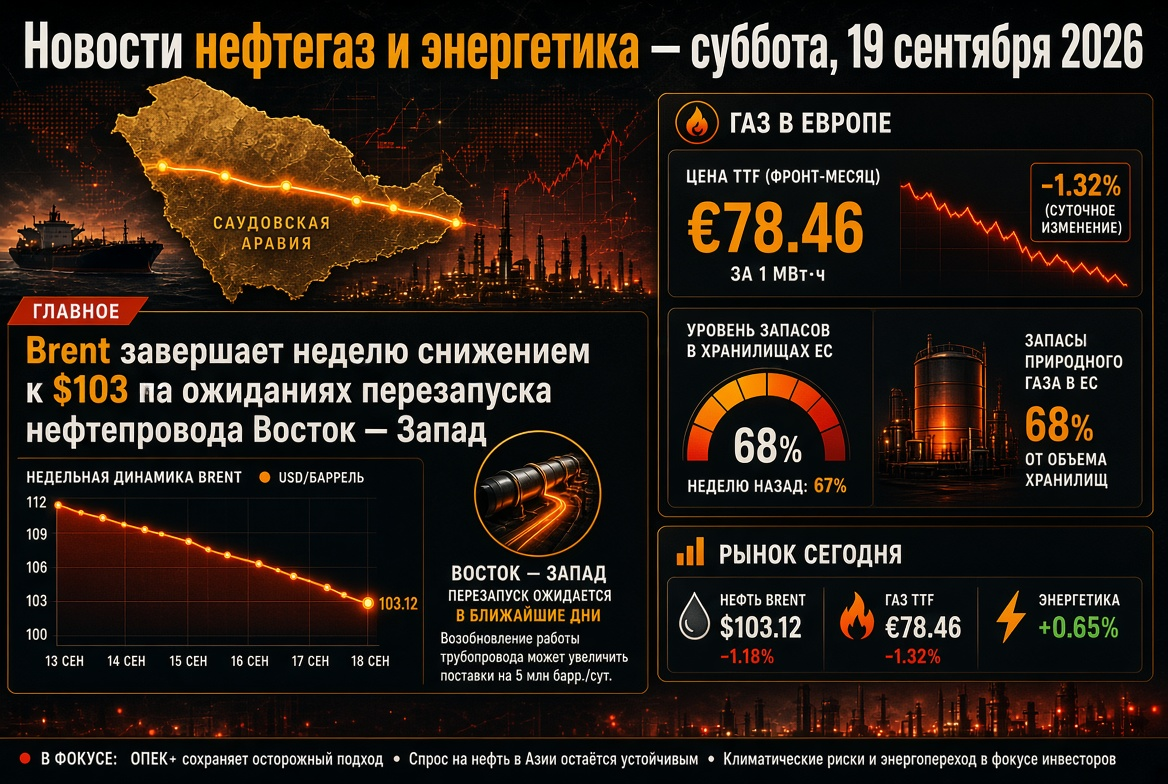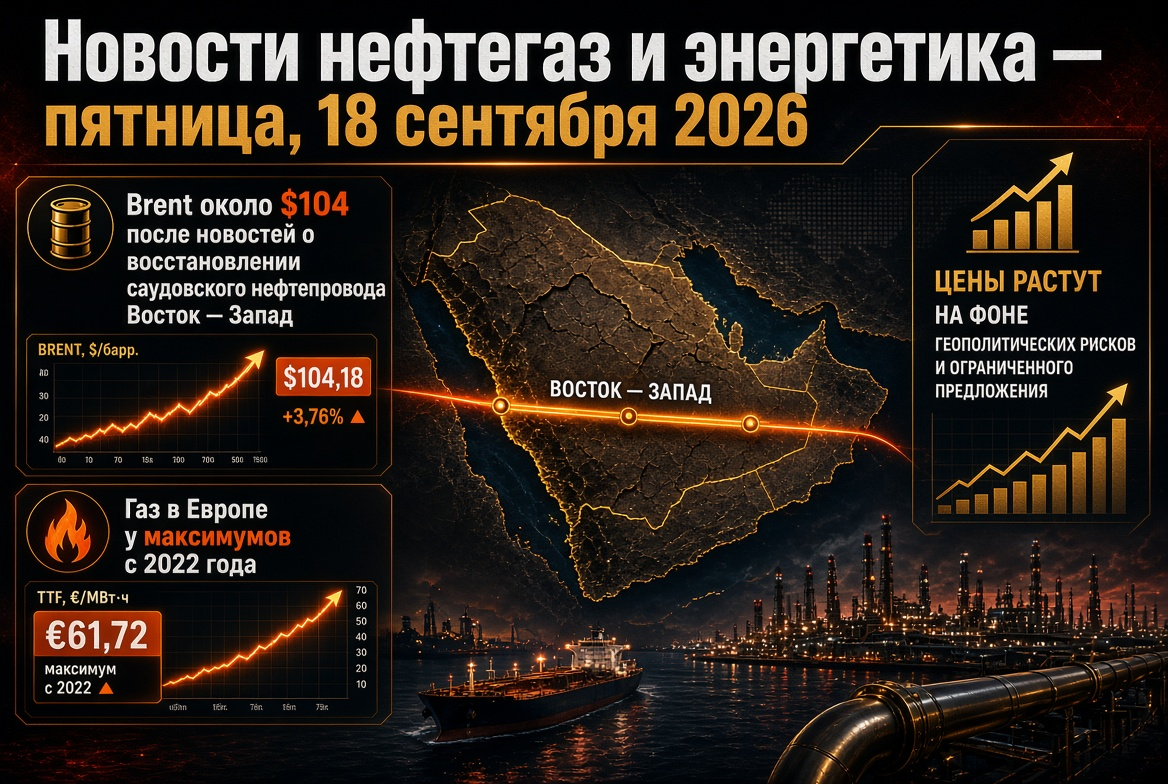
Current News in Oil & Gas and Energy as of February 20, 2026: Oil Prices Rise Amid Hormuz Risks and US-Iran Tensions, US Oil Inventory, OPEC+ Policy, Gas and LNG in Europe, Electricity, Renewables, Coal, and Refinery Margins. Analysis for Investors and Market Participants in the Energy Sector.
Oil Market: Geopolitical Premium Returns to the Scene
As the week came to a close, the oil market entered a phase of heightened sensitivity to geopolitical events. The key driver is the increasing tension surrounding Iran and growing logistical risks in the Middle East. For global investors, this signifies the return of a "risk premium" in Brent and WTI prices, even amid discussions of a potential oversupply in 2026. In this context, any news related to shipping, military activity, or diplomatic signals is quickly reflected in futures curves and spreads.
- Base Effect: The market is pricing in the probability of supply disruptions and higher insurance/freight costs.
- Curve Reaction: Support for front-month contracts is strengthened and volatility increases.
- Practice for Energy Sector Participants: Exporters and traders are actively hedging their supplies, while refineries are revising their purchasing baskets.
Strait of Hormuz and Supply Routes: Why This Is a Systemic Risk
The Strait of Hormuz remains a critical artery for global oil and petroleum product trade; a significant share of maritime flows of crude and condensate pass through it. Any restrictions on tanker movements, even short-term, increase the risk of delays, reduce vessel availability, and push freight rates higher. This quickly translates into premiums on physical deliveries and heightened demand for alternative grades and regional benchmarks.
- Logistics: Increased turnaround time for vessels and insurance costs → higher delivery prices at the refinery gate.
- Differentials: Demand shifts toward alternative sources (Atlantic, West Africa, North Sea) → widening/narrowing of spreads by grades.
- Petroleum Products: Increased focus on diesel and jet fuel during seasonal demand fluctuations.
OPEC+ and Extraction Policy: Pause in Q1 and Expectations for Spring
OPEC+ countries maintain a cautious approach: the pause in production increases in Q1 2026 is linked to seasonally weaker demand. Meanwhile, the market is abuzz with expectations of discussions on the resumption of quota increases closer to April—if the demand-supply balance allows. For oil, this creates an "expectation ceiling" from above, but in the short term, geopolitics can overshadow fundamental arguments.
- If quotas resume increases: Pressure on long-term contracts, moderate cooling of Brent prices.
- If the pause extends: Price support amid stable demand for petroleum products and high refinery utilization.
- Sanctions Factor: Limited availability of certain volumes in the global market enhances the role of "dark" flows and inventories at sea.
USA: Oil and Fuel Inventories Declining, Refineries Operating at High Capacity
Recent data from the US would bolster a bullish tone: declining inventories of oil and petroleum products, coupled with increased processing volumes, support prices and downstream margins. For the market, this is significant for two reasons: first, it indicates the resilience of final fuel demand; second, it heightens sensitivity to any supply disruptions. Refineries are currently running at high capacity, which usually increases the importance of cracks in gasoline and diesel.
- Oil: Reduction in commercial inventories—signals a tighter market in the short term.
- Gasoline: Significant reduction in inventories supports spot premiums and seasonal expectations.
- Distillates (diesel/heating oil): Inventory decreases heighten focus on diesel spreads and logistics.
Gas and LNG: Europe Enters Refill Season with Deficit
The European gas market is focused on inventory trajectories and LNG prices. The scenario of a deficit in storage increases the likelihood of more active LNG imports during the refill period, affecting spot prices and competition with Asia for cargoes. For the global gas market, this means an enhanced role for the USA as an LNG supplier and increased sensitivity to weather, terminal maintenance, and geopolitical risks along maritime routes.
- TTF and spot LNG: Increased risk premium in response to news about supplies and geopolitics.
- Regional Balance: Europe and Asia compete for flexible cargoes, intensifying volatility.
- For Electricity: Gas remains a marginal fuel in several systems, influencing generation costs.
Electricity: The Paradox of Renewables—From Surplus to Negative Prices
In Europe, a new market mechanism is increasingly manifesting: the growing share of renewables (solar and wind generation) in a stagnant demand environment amplifies price volatility and leads to episodes of negative pricing. For traditional generation, this necessitates flexibility and increases costs associated with maneuvering, especially in systems with a high share of nuclear generation. Major players are adapting their operating modes while regulators discuss ways to enhance market resilience and reduce pricing pressure on industry.
- Nuclear Factor: More frequent power modulation increases wear on equipment and maintenance costs.
- Role of Storage: Batteries and demand response become tools for smoothing the renewables profile.
- For Investors: The value of flexible assets (hydropower plants, gas-turbine units, storage, networks) is increasing.
Coal: Prices Support Supply Disruptions and Demand for Alternatives
The coal segment remains an important part of the energy balance for several regions and industries. Prices are supported by supply restrictions, logistical risks, and periodic spikes in demand amid high gas prices or unstable renewable generation. For energy companies and consumers, coal continues to serve as "backup fuel," particularly during times when gas markets are tight, and weather factors worsen predictions for wind or hydro resources.
- Logistics: Disruptions on export routes and infrastructure risks add a premium.
- Demand: Energy and metallurgy respond to "gas/coal" spreads and carbon pricing.
- Risk Management: Companies are enhancing diversification in supplies and inventories.
Petroleum Products and Refineries: Seasonal Spreads and Repair Discipline
For the petroleum products segment, the key theme is refining margins and the availability of refinery capacities. High utilization rates at US refineries and increased sensitivity to inventories support the gasoline and diesel complex. In other regions, the market is monitoring repair schedules, potential unscheduled shutdowns, and logistics restrictions. For traders and fuel companies, effective portfolio management of products is critical: gasoline, diesel, heating oil, and jet fuel respond to different demand drivers and seasonality.
- Diesel: Robust cracks are supported by distillate inventory levels and transportation activity.
- Gasoline: Significant movements are possible with unexpected inventory and demand dynamics.
- Refineries: Efficiency in raw material procurement and logistics becomes a competitive advantage.
Key Takeaways for Investors and Market Participants in the Energy Sector: A Checklist for the End of the Week
The focus is on the interplay between geopolitics and fundamental data. By the end of February 2026, the oil and gas market is receiving support from declining inventories and high processing levels, but remains vulnerable to news from the Middle East. Electricity and renewables are forming a new pricing landscape with episodes of negative prices, while coal and petroleum products react to logistics and spreads. For the global energy portfolio, balancing upstream risks with downstream/infrastructure resilience is becoming paramount.
- Geopolitics: News regarding the US-Iran situation and the security of maritime routes (including Hormuz) directly manage the risk premium.
- Data: Oil, gasoline, and distillate inventories, as well as refinery utilization—indicators of fuel and petroleum products demand strength.
- Gas and LNG: The pace of refilling European storage and competition for cargoes dictate gas price volatility.
- Electricity and Renewables: Wind/sun dynamics and storage development impact generation yields and network assets.
- Coal: Logistical disruptions and regional imbalances can sustain prices longer than expected.