Current News on Startups and Venture Investments as of December 25, 2025: Record Investments in AI, Return of Megafunds, New Wave of IPOs, M&A Deals, and Market Trends Toward 2026.
By the end of 2025, the global venture market is showing a strong recovery after a period of decline. Investors worldwide are once again actively investing in tech startups, with unprecedentedly large deals being made and IPO plans from tech companies coming back to the forefront. Major players with large funds are returning, and governments are increasing support for innovation. As a result, significant amounts of private capital are re-entering the startup ecosystem, laying the groundwork for a new investment boom.
By the end of 2025, an increase in venture activity can be observed across all regions. The USA remains the undisputed leader, particularly in the field of artificial intelligence, while the Middle East continues to see rapid growth in tech investments. In Europe, Germany is leading in the number of venture deals, surpassing the UK. India, Southeast Asia, and the Gulf countries are attracting record amounts of capital against a backdrop of relatively weakening activity in China. The startup ecosystems of Russia and the CIS are also striving to keep pace despite external constraints. A global venture boom is forming at a new stage, although investors continue to act selectively and cautiously, focusing on the quality of projects.
Below are key events and trends shaping the venture market agenda as of December 25, 2025:
- Return of Megafunds and Major Investors. Leading venture funds are attracting record amounts into new funds and sharply increasing investments, saturating the market with capital and igniting risk appetite.
- Record Rounds in AI and New "Unicorns." Unprecedented investment rounds are elevating startup valuations to new heights, especially in the artificial intelligence segment.
- Revitalization of the IPO Market. Successful public offerings from a number of tech companies and preparations for new placements confirm that the long-awaited "window" for exits has reopened.
- Diversification of Sector Focus. Venture capital is being directed not only towards AI but also into fintech, climate projects, biotechnology, defense developments, and even crypto startups.
- Wave of Consolidation and M&A Deals. Major mergers, acquisitions, and strategic investments are reshaping the industry landscape, creating exit opportunities and accelerated growth.
- Local Focus: Russia and CIS. Despite limitations, new funds and projects aimed at developing local startup ecosystems are being launched in the region, attracting investor attention.
Return of Megafunds: Big Money Back in the Market
The largest investment players are triumphantly returning to the venture arena, signaling a renewed appetite for risk. The Japanese conglomerate SoftBank is back in the limelight, investing around $40 billion in OpenAI and other cutting-edge projects, effectively kickstarting a new mega-round of financing. Sovereign funds from the Gulf countries have also increased activity, funneling tens of billions of dollars into tech initiatives and developing state mega-programs to support the startup sector, creating their own tech hubs in the Middle East. Concurrently, numerous new venture funds are being established worldwide, attracted significant institutional capital for investments in high-tech sectors. Leading firms from Silicon Valley are also ramping up their presence; prominent funds have amassed unprecedented reserves of "dry powder" - hundreds of billions of dollars of uninvested capital ready to be deployed as market confidence strengthens. The influx of "big money" fills the startup market with liquidity, providing resources for new rounds and driving valuations higher. The return of megafunds and major investors intensifies competition for the best deals while simultaneously instilling confidence in the industry regarding the continued influx of capital.
Record Investments in AI and a New Wave of "Unicorns"
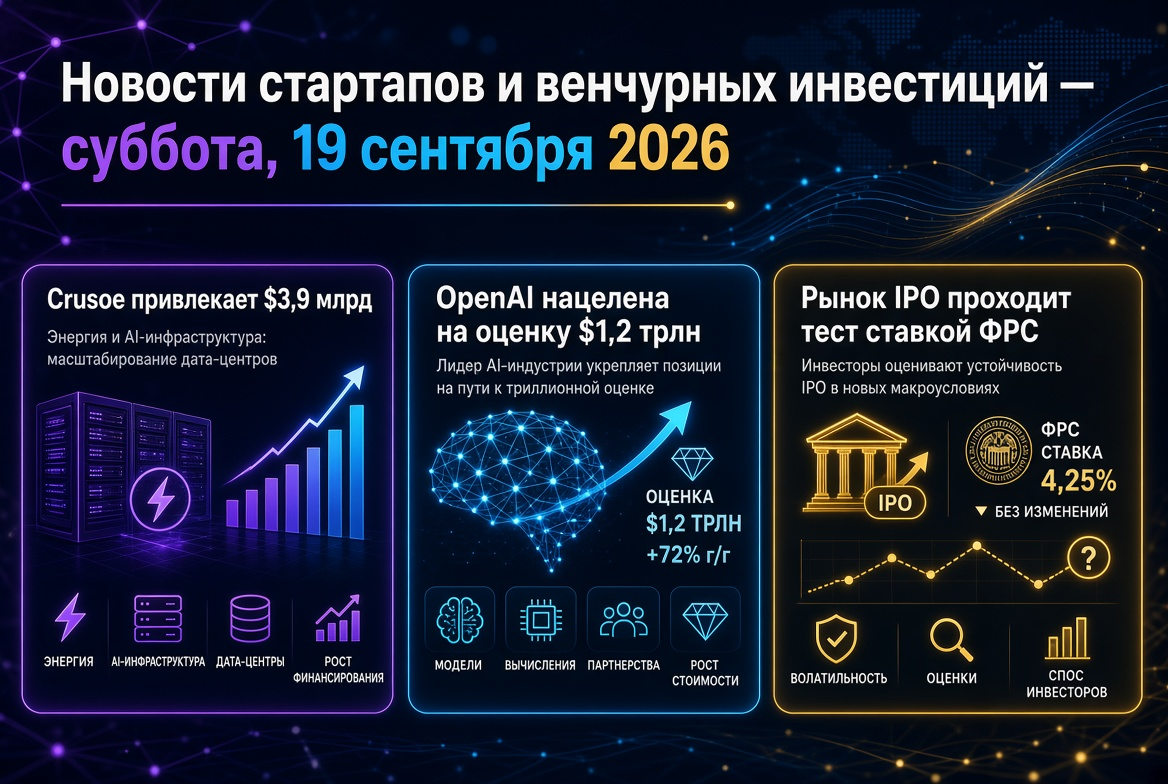
The artificial intelligence sector remains the primary driver of the current venture boom, showcasing record funding volumes. Investors are eager to stake their claims among AI leaders, directing colossal funds into the most promising projects. Major generative AI startups are achieving unprecedented valuations; OpenAI has become the most valuable private startup in history with a valuation of around $500 billion, while its competitor Anthropic raised about $13 billion in September, lifting its valuation to $183 billion. Elon Musk's startup xAI has managed to gather over $12 billion in investments within a year and a half of its existence, and the French company Mistral AI reached a valuation of about $14 billion just two years after its founding - such examples reflect the fervor surrounding AI worldwide. Notably, venture investments are flowing not only into applied AI services but also into infrastructure and hardware for AI. For instance, the energy-efficient AI chip startup Unconventional AI attracted a record $475 million in a seed round (valuation of $4.5 billion) - the market is ready to finance even the "shovels and picks" for the new gold rush surrounding AI. This current investment boom has spawned a wave of new "unicorns" - dozens of startups worldwide have reached valuations exceeding $1 billion in a short period. Although experts warn of the risk of overheating in the market, investors' appetite for AI startups remains high for now.
IPO Market Revives: Window of Opportunities for Exits
The global primary public offerings (IPO) market is reviving after a long lull and is once again attracting the attention of the venture community. In Asia, Hong Kong has ushered in a new wave of IPOs: in recent months, several large tech companies have gone public, collectively raising billions of dollars in investments. For example, the Chinese battery manufacturer CATL successfully completed a secondary stock offering of approximately $5 billion, demonstrating investors' readiness to actively participate in large deals. The situation is also improving in the US and Europe: the American fintech "unicorn" Chime debuted on the stock market, with its shares rising around 30% on the first day of trading, while the design solutions platform Figma successfully completed its IPO, attracting about $1.2 billion at a valuation of around $20 billion. Following them, a number of other highly valued startups have announced plans to go public in 2026 - among them the payment giant Stripe and other "unicorns" ready for IPO. Even the cryptocurrency industry is attempting to capitalize on the window of opportunities: the fintech company Circle conducted a high-profile IPO in summer 2025 (its shares significantly rose afterward), while the cryptocurrency exchange Bullish filed for a US listing with a target valuation of about $4 billion. The revival of activity in the IPO market is crucial for the venture ecosystem: successful public exits allow funds to lock in profits and redirect released capital into new projects, completing the investment cycle.
Diversification of Investments: Not Just AI
In 2025, venture investments are covering an increasingly wide range of sectors and are no longer limited to just artificial intelligence. After a decline last year, fintech is regaining momentum: large funding rounds are occurring not only in the US but also in Europe and emerging markets, contributing to the growth of new financial services. At the same time, there is an increasing interest in climate and "green" technologies – projects in renewable energy, CO2 recycling, and agrotech are attracting record investments amidst a global trend toward sustainability. The appetite for biotechnology is also returning: groundbreaking developments in medicine and digital health are starting to receive significant capital as valuations in the sector recover. Additionally, in light of heightened security concerns, investors are becoming more active in the defense technology sector, financing startups working on solutions for defense and cybersecurity. A partial restoration of trust in the cryptocurrency market has allowed some blockchain startups to attract funding once again. Thus, the expansion of sectoral focus makes the entire startup ecosystem more resilient, reducing the risk of overheating in individual segments.
Consolidation and M&A Deals: Scaling Up Players
High valuations of startups and fierce competition in many markets are driving the industry towards consolidation. Major mergers and acquisitions (M&A) deals are again coming to the forefront, reshaping the balance of power in the technology sector. For instance, Google has agreed to acquire the Israeli cybersecurity startup Wiz for approximately $32 billion – a record amount for the Israeli tech market. Such mega-deals demonstrate the desire of IT giants to acquire key technologies and talent, strengthening their positions. Overall, current activity in acquisitions and strategic investments reflects the maturing of the market: mature startups are merging with each other or becoming targets for acquisition by corporations, while venture investors achieve long-awaited profitable exits. The wave of consolidation allows for more efficient resource allocation and facilitates the accelerated growth of leading companies.
Russia and CIS: Local Initiatives Amid Global Trends
Despite external constraints, by the end of 2025, there is a noticeable revival of startup activity in Russia and neighboring countries. Several new venture funds with volumes of several billion rubles have been announced, aimed at supporting early-stage tech projects. Local startups are beginning to attract more serious capital: for example, the Krasnodar-based foodtech project Qummy raised about 440 million rubles in investments at a valuation of around 2.4 billion rubles, indicating a growing trust in regional projects. Furthermore, regulators have relaxed several restrictions: foreign investors are once again allowed to invest in Russian tech companies, gradually returning interest from overseas capital. Although the volume of venture investments in the region is still modest compared to global figures, it is steadily increasing. Large corporations are also considering the possibility of bringing their tech divisions to the stock market as market conditions improve – for instance, VK Tech publicly broached the possibility of an IPO in the foreseeable future. New government support measures and corporate initiatives are designed to give an additional boost to the local startup ecosystem and integrate it into global trends.
Cautious Optimism and Quality Growth
At the turn of 2025-2026, the venture market is experiencing moderately optimistic sentiments. Record investments in leading startups and successful deals (both IPOs and M&As) indicate that the downturn is behind us; however, investors still prefer to act selectively. Attention is focused on companies with sustainable business models and real performance metrics – the era of indiscriminate "spray and pray" investing has been replaced by a more measured approach. Significant capital influx into AI and other promising sectors instills confidence in further market growth, but venture funds are striving to diversify investments and tighten risk controls to prevent the new upswing from leading to overheating. Thus, the industry is entering another developmental cycle with an emphasis on quality, balanced growth. Venture investors and funds view 2026 with cautious optimism, hoping for the continuation of positive trends with a more disciplined approach to startup evaluations.