Currently, Russia imports gasoline and diesel from Belarus. In October 2025, the Eurasian Economic Commission (EEC) lifted the 5% import duty for supplies until June 30, 2026. Earlier this June, Russia proposed to extend the zero import duty until June 2027.
Additionally, authorities may allow the production of oil products that deviate from the current technical regulations. Earlier reports indicated that certain refineries had been permitted to produce gasoline and diesel fuel that do not meet the requirements. The plan also prioritizes fuel supplies to the domestic market and maximizes the operational capacity of oil companies.
Furthermore, authorities may temporarily reduce the gasoline sales threshold on the exchange from 15% to 10% of production volume. The volumes not supplied to the exchange are expected to be directed to socially significant consumers, as stated by “Vedomosti,” referencing a source.
Igor Yushkov, an expert from the Financial University under the Government, noted that the damping payments linked to gasoline imports are aimed at maintaining price stability in the domestic market. According to analyst Sergey Kaufman from FG “Finam,” without these measures, gasoline prices at independent gas stations would be significantly higher. Sergey Tereshkin, CEO of Open Oil Market, believes regulators should consider the option of centralized fuel procurement from abroad using reserve fund resources.
It is important to note that in early June, the Russian Ministry of Energy explained the challenges in fuel supply in certain southern regions as consequences of aerial attacks on fuel and energy complex facilities. The ministry referred to the situation as temporary and announced the establishment of an industry command center for stabilization. Subsequently, the government allowed some refineries to produce gasoline according to "Euro-3" standards.
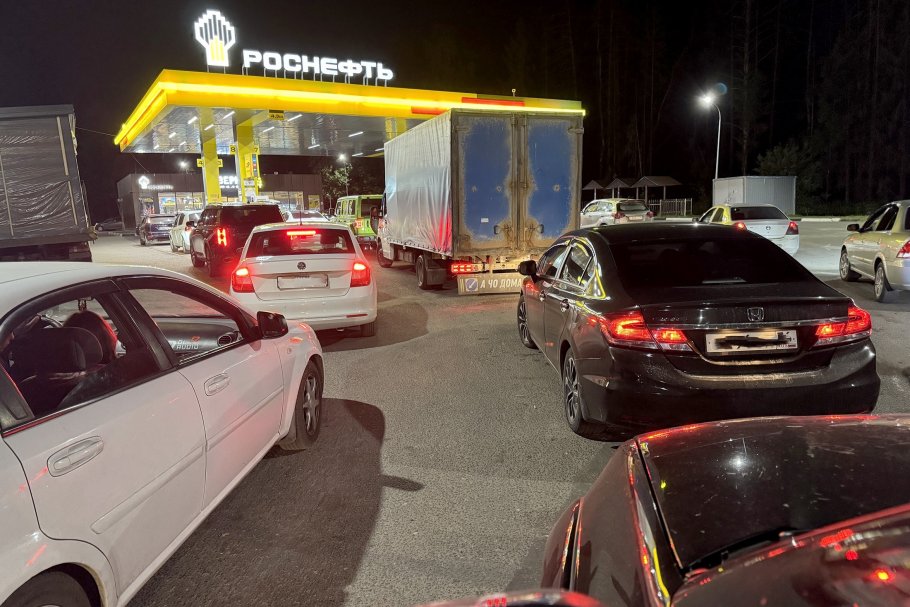
Several regions in Russia have imposed restrictions on fuel sales. Sales limits are already in place in the Omsk and Saratov regions, according to regional authorities. In the Voronezh region, only one large gas station network has implemented restrictions so far. In the Irkutsk and Vladimir regions, gas stations have shifted to a priority service order.
Source: M.Business