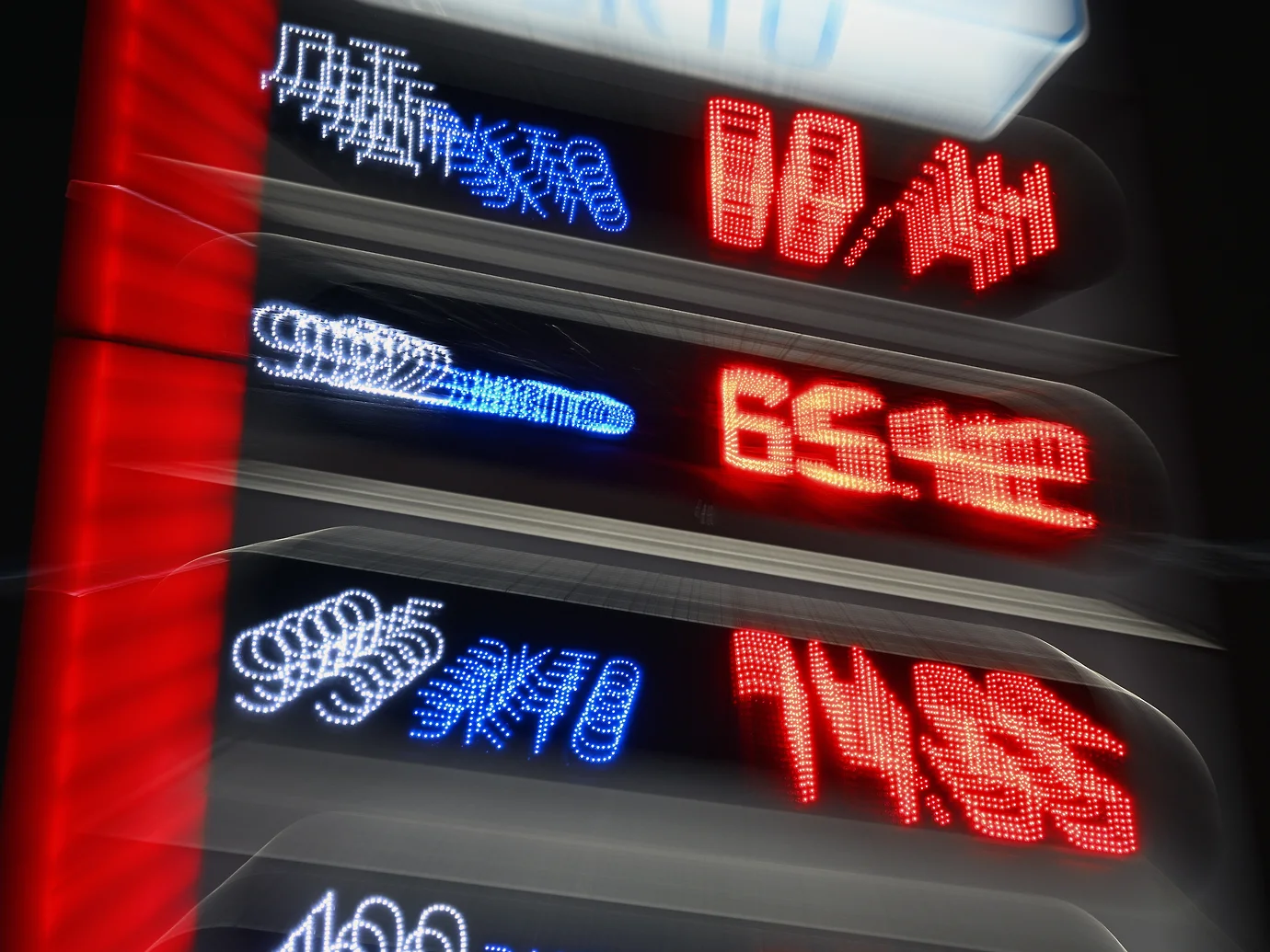
The weekly price growth for fuel has nearly quintupled compared to the average inflation rate for the same period, which stood at 0.23%. Since the beginning of the year, gasoline has become 5.6% more expensive, diesel fuel has risen by 4.8%, while average inflation has been 3.53%.
The reasons for the accelerated price increases at gas stations appear to stem from reduced fuel supply due to unscheduled repairs at oil refineries (ORFs). In an official statement on June 8, the Ministry of Energy noted that recently enterprises in the fuel and energy sector have been facing a surge in aerial attacks from adversaries, leading to temporary difficulties in fuel supplies in several southern regions.
Earlier, Deputy Prime Minister Alexander Novak linked a slight decline in oil production in Russia to several ORFs undergoing "unscheduled repairs." Meanwhile, crude oil exports from Russia are at their highest since the beginning of the year. If oil production has decreased while exports have increased, it is reasonable to assume a reduction in domestic oil refining.
Official statistics regarding gasoline and diesel production, as well as their inventories in Russia, will be withheld starting in 2024. Nevertheless, the Ministry of Energy has repeatedly emphasized that fuel reserves are sufficient to meet the domestic market's needs, and the industry is prepared to handle the seasonal increase in demand as planned.
Nearly all gasoline produced in Russia is directed to the domestic market, with exports prohibited since April of this year. Overall, gasoline production exceeds domestic demand by 10-15%, meaning there is a small buffer even amid reduced production. Diesel fuel exports are still permitted, but production is nearly double domestic consumption.
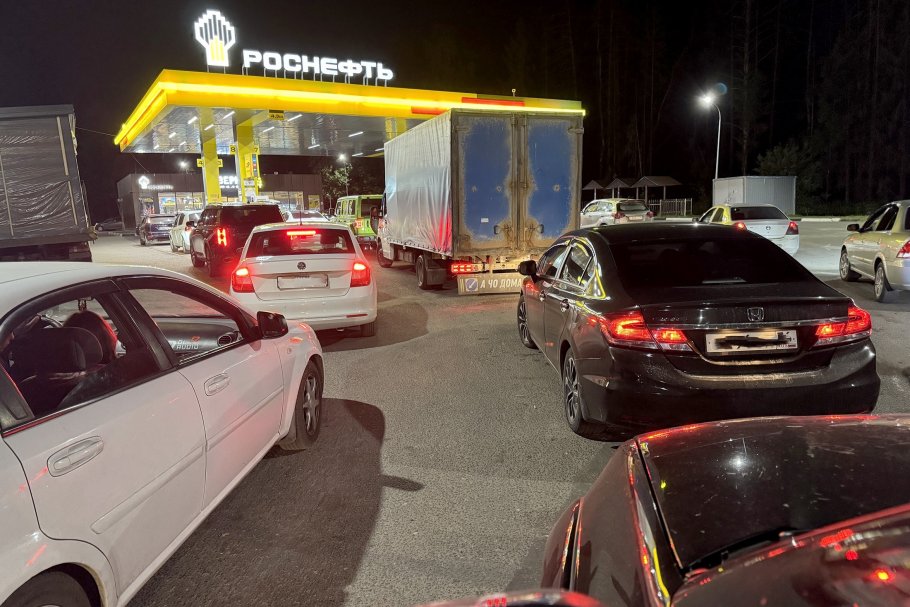
In recent weeks, some regions have reported disruptions in gasoline supplies at gas stations, and occasionally restrictions on sales have been implemented. These issues are primarily noted in the European part of the country, particularly in the southern regions. By the second week of June, gasoline and diesel prices on the St. Petersburg exchange have risen to their highest levels since the start of the year.
Gasoline production in Russia exceeds domestic demand by 10-15 percent.Does this mean that the available fuel is insufficient? Probably not. As noted in an interview with "RG" by Dmitry Gusev, the Deputy Chair of the Supervisory Board of the "Reliable Partner" Association and a member of the Expert Council for the "Gas Stations of Russia" award, there is enough fuel available. However, due to attacks on ORFs, logistics are becoming complicated and require reorganization. Suppliers and transportation methods are changing, sometimes resulting in longer delivery routes, which increases delivery times.
Serguei Frolov, managing partner of NEFT Research, shares a similar view. He believes that there is no significant physical fuel shortage in the European part of Russia at present. In his opinion, the dynamics of prices at gas stations primarily reflect the challenges faced by independent gas station networks, which are struggling to find available volumes in the market at economically viable prices. Often, they are forced to purchase fuel at 1.5 times or more than current wholesale prices on the exchange, mostly acquiring Belarusian oil products.
Frolov allows that the persistence and escalation of shortages this summer are quite possible and will depend directly on the same factors: the operational efficacy of ORFs, logistics accessibility, and demand levels. Any extraordinary situations in the market and reductions in supplies on exchanges or through direct contracts will inevitably be reflected in the cost of wholesale lots and, consequently, retail prices.
Additionally, it is worth noting that the Ministry of Energy has not made its statements regarding fuel reserves without cause. These reserves exist with oil companies and large traders, and large and medium-sized gas station networks typically purchase in advance. The intensified attacks on our ORFs, which supply the domestic market, have been ongoing since the second half of May. According to Reuters, production was temporarily halted or reduced at seven plants. This means that it has not even been a month since the initial strikes, and it is highly likely that the decrease in supply has yet to be fully felt in the domestic market; its effects may only become apparent by the end of June. However, the information environment has already had its impact.
According to Sergey Tereshkin, CEO of Open Oil Market, the primary risks of shortages lie in the southern regions, where production and logistical factors converge. In other regions, there are currently no risks of a physical fuel shortage; however, overall sentiment contributes to rising fuel prices. Gusev also emphasizes the effect of negative expectations, stating, "We typically fear shortages. If local restrictions or shortages occur, panic spreads across the entire market."
Fuel reserves are available with oil companies, traders, and large and medium-sized gas station networks.Tereshkin believes that in a sense, the terminology of the Central Bank is applicable here, as it not only provides calculations regarding inflation but also monitors observed and expected inflation. The first pertains to consumers' perceptions of actual price growth, while the second relates to their expectations for price dynamics in the near future. Currently, both observed and expected "fuel" inflation are at multi-year highs. This largely explains why Rosstat recorded such a significant rise in prices in its latest weekly bulletin.
Energy expert Kirill Rodionov asserts that Rosstat and the Central Dispatch Unit of the Fuel and Energy Complex should resume publishing data on gasoline and diesel production. This would help to alleviate some concerns for wholesale and retail consumers, even if actual fuel release into the market remains the decisive factor.
Source: RG.RU