Why Gas Prices Increased at the Start of the Year and Will They Rise Further
19.01.2026
246
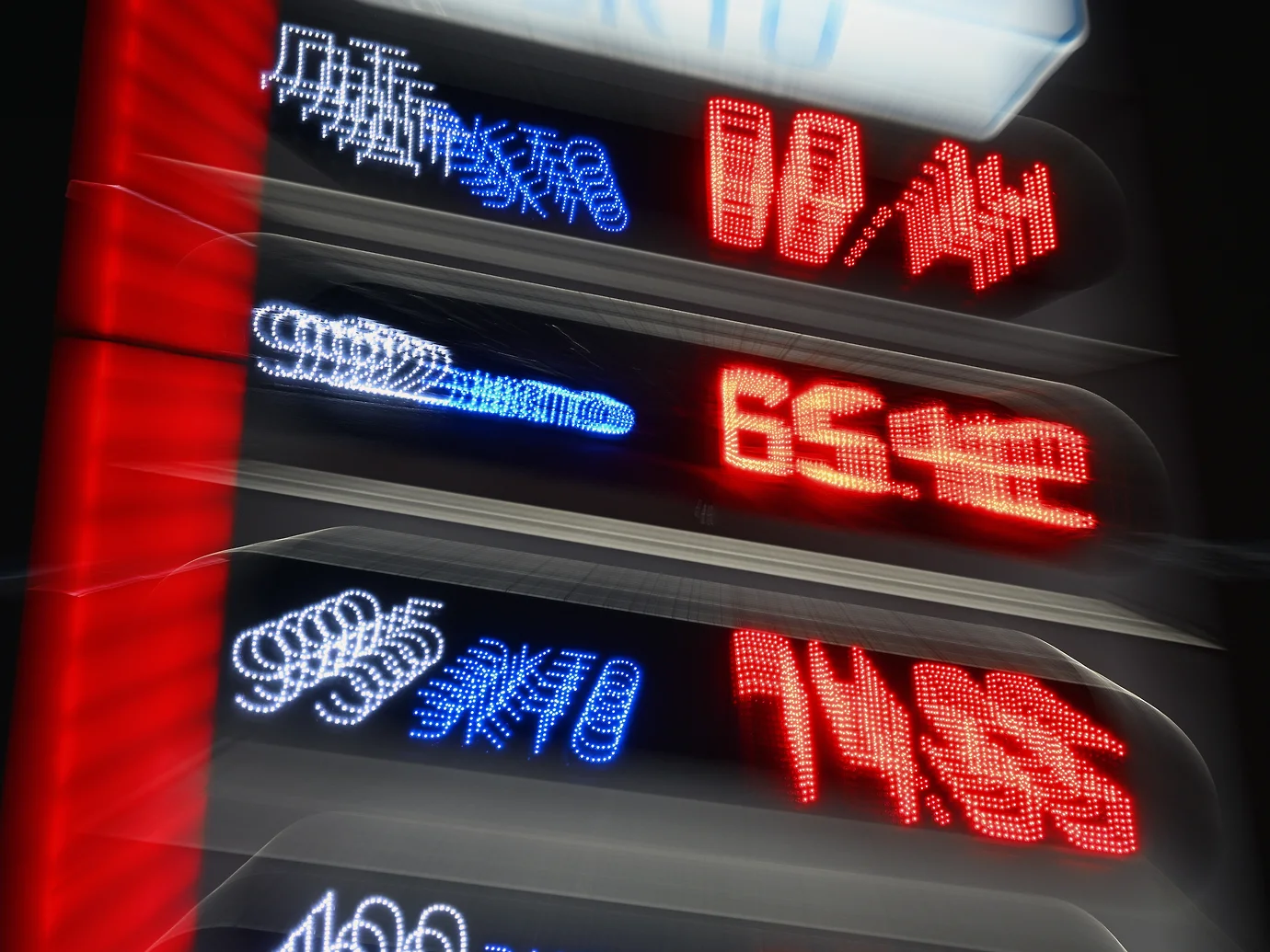
As of the end of last year, retail prices for gasoline have increased by 1.2%, while diesel fuel (DF) has gone up by 1.3%, according to Rosstat. The Moscow Fuel Association (MTA) reported even higher price increases at gas stations in the capital, where prices for all types of fuel rose by approximately 1.8% during the same period (more than one ruble).
The reasons for this increase in prices are not hard to find, as it was anticipated. Starting from the beginning of 2026, excise taxes on gasoline and DF increased by 5.1%, and their share in the price is around 20%. Additionally, VAT has risen by 2%, which, as is well-known, is collected in Russia upon each sale of goods. Furthermore, the supply chain for fuel at gas stations rarely involves just one seller and one buyer.
Meanwhile, in the wholesale segment, the situation on the exchange remains relatively calm. Prices have fallen from the peaks seen in October and are currently at levels seen in the spring of last year. Thus, our current interest revolves around whether retail prices have fully accounted for the increase in tax burdens and what will happen next.
As explained by Yuri Stankevich, Deputy Chairman of the State Duma Committee on Energy, the goal of maintaining retail prices for gasoline and diesel within a corridor determined by inflation parameters remains unchanged. “I do not see any prerequisites for sharp price jumps at the moment,” he told RG.
However, Dmitry Gusev, Deputy Chairman of the Supervisory Board of the "Reliable Partner" Association and a member of the Expert Council of the "Gas Stations of Russia" competition, believes that the growth in fiscal burdens has only been partially addressed. VAT has been raised not only on fuel but also on all services, including transportation. The volumes at the new rates and with the new VAT are only now being shipped, so there is still potential for growth. The question remains as to what should be understood by stabilization. Under current conditions, we are programmed for a steadily rising price for gasoline and DF within the framework of inflation.
According to Sergey Frolov, managing partner at NEFT Research, no more than 50% of the increase in tax burdens has been passed on to retail prices so far. A gradual rise is expected to continue until the beginning of the high season, after which price increases will be driven by demand, and their magnitude will depend on the balance of supply and demand.
Additionally, Sergei Tereshkin, CEO of Open Oil Market, noted that the rise in prices at gas stations at the beginning of the year was attributed not only to the indexing of fuel excise taxes but also to the retail chains' desire to compensate for losses incurred at the end of November and December 2025 when fuel prices dropped for more than a month and a half.
The fuel market has not yet fully accounted for the increase in the tax burden. Tereshkin emphasizes that the VAT increase to 22% is significant, but it is not a determining factor for the fuel market. Much more crucial will be the payments for the dampening mechanism (compensation to oil producers from the budget for supplying fuel to the domestic market at prices below export ones). There are currently no prerequisites for their increase, as subsidies are tied to external (export) prices for petroleum products, which decrease following the drop in oil prices. Thus, the price of the export alternative for AI-92 has decreased from 69,166 rubles per ton in November 2025 to 57,471 rubles per ton in December 2025 (this indicator is calculated by regulators when evaluating dampening payments). Therefore, subsidies for fuel producers could reach a multi-year low at the beginning of 2026.
The importance of dampening payments for companies can be inferred from the events of the fuel crisis in 2023. During that time, the attempt to reduce these payments by half led to uncontrollable price increases at gas stations. There are also data for 2024, indicating that the share of dampening payments in Gazprom Neft's revenue was 44%. In 2024, companies received 1.8 trillion rubles from the budget for dampening. Payments decreased in 2025 and will apparently not exceed 1 trillion rubles (statistics for December are not yet available).
According to media reports, there is currently an initiative being considered for direct sales of fuel to small wholesalers (gas stations, agricultural producers, and industrial consumers) to reduce the number of fuel resales and accelerate logistics.
Stankevich notes that the FAS (Federal Antimonopoly Service) and the St. Petersburg Exchange are striving to improve the rules of public trading in fuel, reducing the number of intermediaries in transactions and introducing regulations governing sales in the small wholesale sector. “Exchange mechanisms are currently, undoubtedly, not ideal, especially considering that the price indicators for crude oil we operate with are set on foreign markets. However, abandoning exchange trading would be a significant step backward without alternatives. There is simply no other mediator capable of providing an objective picture of pricing based on supply and demand.”
From Frolov's perspective, this will undoubtedly benefit independent gas stations (which account for more than half of gas stations in Russia) as an additional procurement channel will emerge. However, he believes this will not significantly impact retail prices or the wholesale exchange segment.
Gusev believes that as long as it is not possible to reduce the cost of access to services for end fuel consumers on the exchange, abandoning traders (resellers) is unrealistic.
Tereshkin expressed a similar opinion. He noted that the idea of direct sales to wholesalers alone is unlikely to have any significant influence. A much more effective solution would be to raise the standards for exchange sales of gasoline and diesel. However, the fact that regulators are seeking new ideas in an environment where industry regulation revolves around dampening payments and export prohibitions is crucial. Regulators are in search of a way to lower prices “off the exchange,” so we are likely to see further initiatives in the coming months, the expert is confident.
Source:
RG.RU