Gasoline Export Ban May Be Lifted by February: What Is the Reason and How Will It Affect Gas Station Prices
29.01.2026
219
Fuel exports from Russia could be permitted for producers in the very near future. According to media reports, the corresponding draft regulation has been submitted by the Ministry of Energy to the government. The changes are expected to take effect immediately after being signed. The Ministry of Energy has declined to comment on the "RG" inquiry, neither confirming nor denying the information.
There are several arguments to consider this information credible. Experts interviewed by "RG" lean towards the belief that the export ban on gasoline for producers will be lifted, likely by February 1. Currently, it is effective until March 1. The full ban on gasoline exports was implemented in Russia on August 31, 2025, amid a sharp increase in wholesale and retail fuel prices. Prior to this, a ban on gasoline exports was in place for traders from July, but since the measure did not yield the desired result, it was tightened.
In favor of lifting the full ban is the current situation concerning tax payments by oil companies. By the end of December, and tax payments for that period are made in January (the structure of which will be published by the Ministry of Finance in February), oil companies could incur a negative damping.
Damping is a budget compensation paid to oil companies for supplying fuel to the domestic market at prices lower than export prices. The amount of these payments is calculated based on the difference between the export price of fuel and the indicative domestic price established by law. A negative damping occurs when the export price of fuel is lower than the indicative prices. In essence, it is nominally deemed more profitable to supply gasoline to the domestic market than to export it. In this case, oil companies must pay the government the difference between the export and indicative prices.
According to Reuters, oil companies are expected to pay 13 billion rubles in damping to the budget for December. This amount is not substantial for oil firms, but only if we disregard the fact that damping payments accounted for a significant portion of the revenues of major oil companies in 2024 and 2025, sometimes reaching as much as 30-40%. Now they not only will not receive these payments, but will also have to pay out of their pockets. The full ban on gasoline exports was implemented due to the rise in gasoline prices in wholesale and retail at the end of last summer.
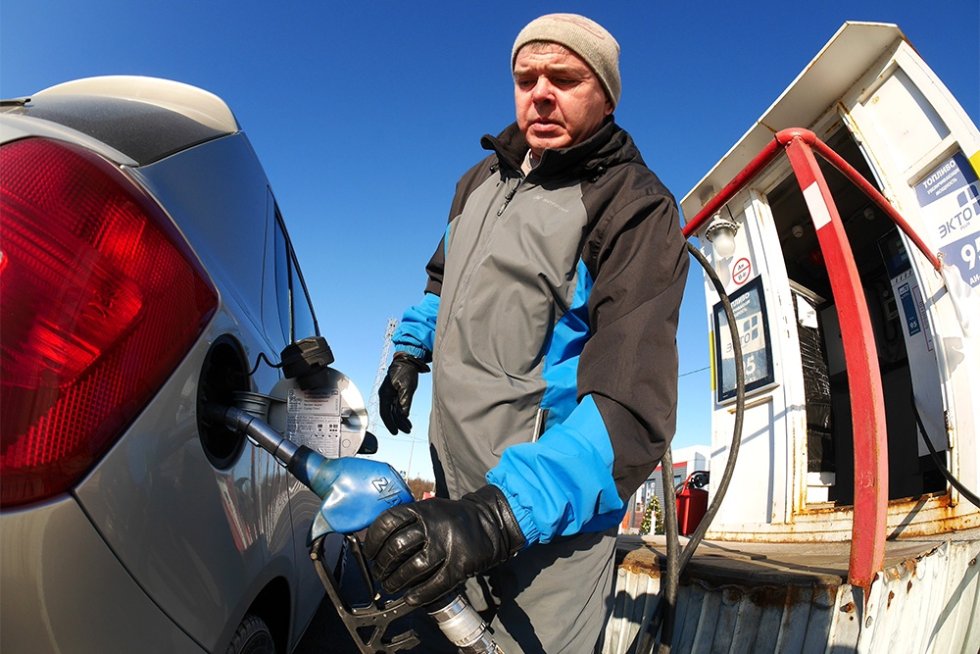
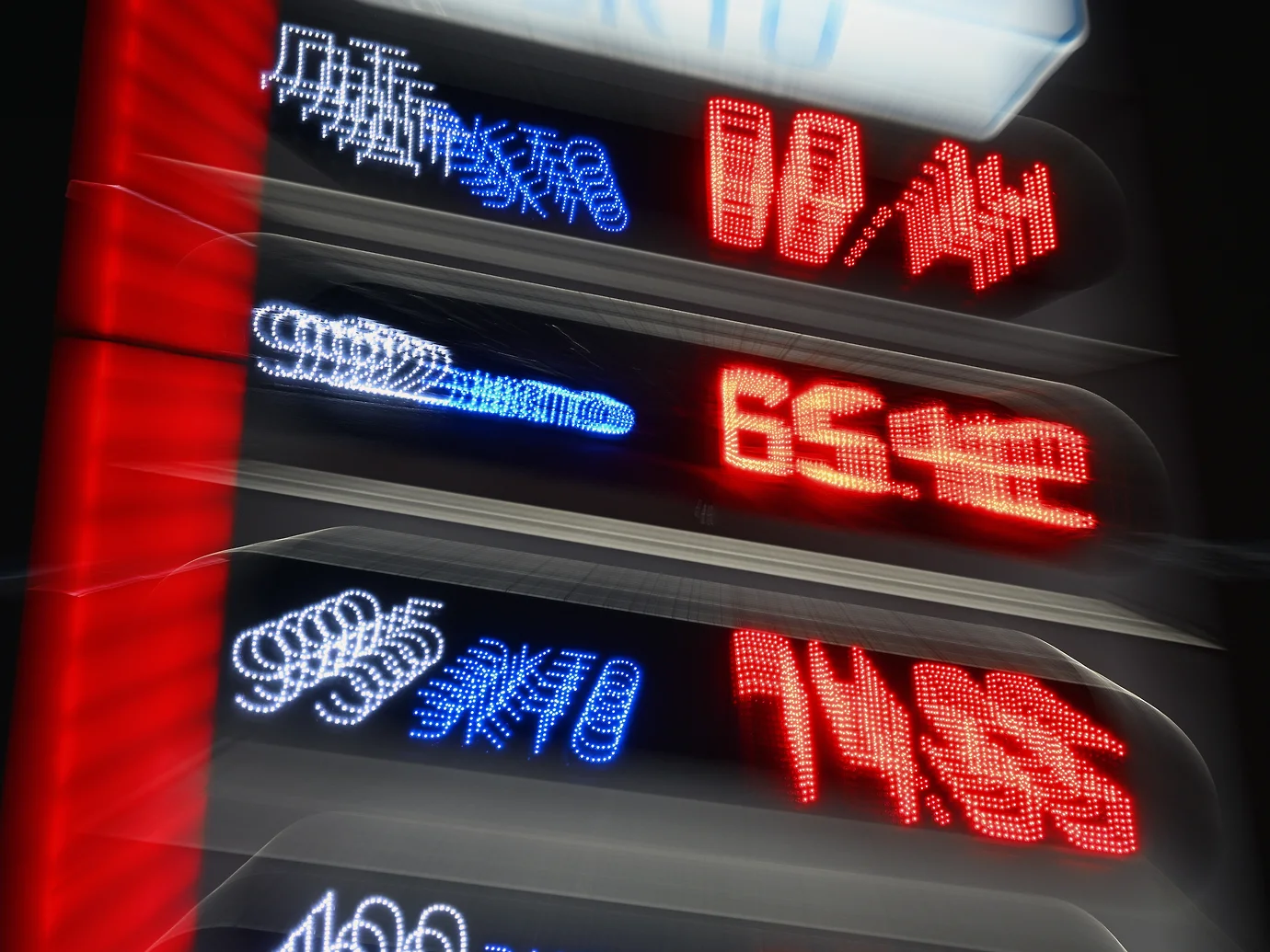
Meanwhile, it would be hard to claim that the situation in the Russian fuel market is calm. Wholesale prices are rising slowly but steadily. At gas stations, there was a sharp increase in prices at the end of December and in January, although this was more related to the increase in fiscal pressure since the beginning of the year, rather than the balance of supply and demand for gasoline and diesel.
If a negative damping is added to this, prices on the exchange could, contrary to all traditions, rise in February, consequently pulling retail prices upward.
A sweetener for oil companies in this case might be the lifting of the export ban on gasoline. A fair deal – you profit from exports but do not trigger another rally in the fuel market, while the treasury receives damping payments.
"The proposed solution reflects the consolidated position of the Ministry of Energy and oil companies, presented at a meeting with Deputy Prime Minister Alexander Novak last week," stated Yuri Stankevich, Deputy Chairman of the State Duma Energy Committee, in a conversation with "RG."
The cancellation of the export ban is a positive signal indicating sufficient oil refining volumes and stock accumulation for a rainy day. Additional income from exports is essential today for the industry to maintain profitability amidst the "hobbling" of the damping mechanism and for the government to reduce the budget deficit, believes Stankevich.
Retail gasoline prices will be limited by inflation.
According to Sergey Frolov, Managing Partner at NEFT Research, the negative damping for December will be one of the reasons for the early lifting of the export restrictions if the government decides to do so. Additionally, it would be an attempt to revive demand and, as a result, increase the load on oil refining capacities. However, this decision appears risky, as the gasoline market balance does not have much leeway. Nonetheless, a short-term approval for exports during a period of low demand generally does not pose significant risks to the market, the expert believes.
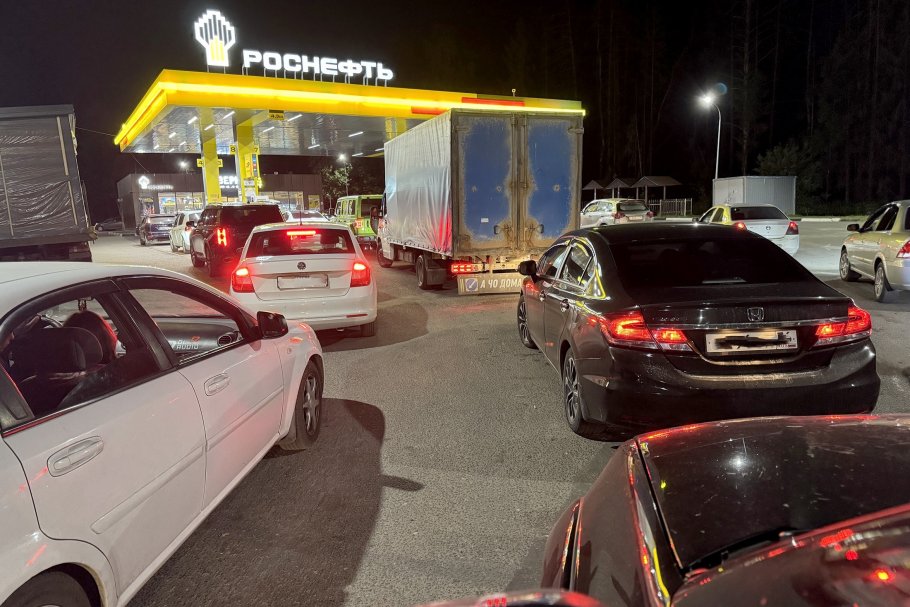
Dmitry Gusev, Deputy Chairman of the Supervisory Board of the "Reliable Partner" Association and member of the Expert Council for the "Gas Stations of Russia" contest, sees the risks of lifting the export ban in the fact that independent gas stations (over half of the filling stations in Russia) have not made fuel reserves for the peak season despite government calls. This is evidenced by the low demand for gasoline in January. Furthermore, once exports are permitted, wholesale prices will rise, which is an undeniable disadvantage for accumulating reserves for the summer.
From the perspective of Sergey Tereshkin, CEO of Open Oil Market, regulators cannot keep oil companies "on a dry ration" for too long – this could be the logic behind lifting the export ban on gasoline. There is a rational kernel here: at the end of last year, gasoline prices were steadily declining, and oil companies probably wish to compensate for the lost profits. This was evident at the beginning of the year, when retail gasoline prices had already increased by 1.2% by January 12.
However, the lifting of the ban, while improving the profitability of oil refineries (NPPs) by allowing them to sell additional export volumes of fuel at higher prices, will undoubtedly lead to an increase in gasoline quotes, which may then be reflected in retail prices. Gusev believes this impact will be limited, as retail prices will continue to be constrained by inflation, which gasoline has already outpaced since the beginning of the year.
Frolov believes that prices at gas stations will continue to rise under any circumstances – the consequences of the next round of tax burden increases (excise taxes and VAT hikes) have not yet been fully factored in.
Tereshkin has a different view, suggesting that the cancellation of the export ban will be accompanied by a gentlemen's agreement obliging oil companies to restrain price increases. The duration of the export permits will depend on compliance with this condition.
Stankevich is confident that lifting the export ban will not impact domestic retail prices. Should signs of gasoline or diesel shortages emerge, a new ban will be implemented swiftly.
The government's planned decision is yet another response to numerous questions regarding the state's involvement in regulating the fuel sector. Management is conducted in a manual, situational response mode, notes Stankevich.
Gusev asserts that Russia needs to stimulate the creation of additional oil refining capacity to ensure sufficient gasoline for both the domestic market and exports. However, without sustainable growth in domestic fuel consumption, achieving this is hardly possible. The growth of transportation volumes within the country is slowing down, and new car sales are not increasing. In this situation, the government has no choice but to manage supply and demand through exports.
Source:
RG.RU