The import of fuel into Russia was authorized from July 1 to prevent shortages in the market during the peak demand season—the vacation period. Russian oil refining volumes have been forced down due to unplanned outages for repairs at oil refineries following drone attacks.
This has primarily impacted the supply of gasoline in the domestic market, where production has been only 10-15% above consumption levels in Russia. Gasoline exports have been banned since April 2026, but by the end of summer, additional volumes were required due to the seasonal increase in demand.
The main flow of fuel imports has come from Belarusian refineries (212 thousand tons in July), with some supplies also made from India and Morocco. According to Reuters, by the end of July, approximately 140 thousand tons of gasoline arrived in Murmansk. Furthermore, S&P Global Commodities at Sea reports that around 23 thousand tons of gasoline from Turkey are currently en route to Russia. Notably, they are not going to the nearest Russian port of Novorossiysk but to Baltic ports, which will undoubtedly increase transportation costs.
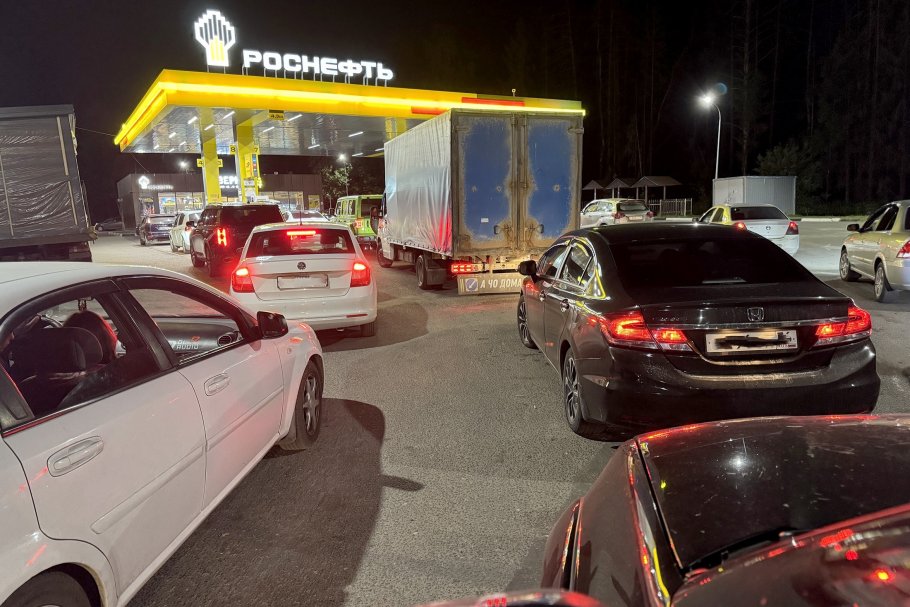
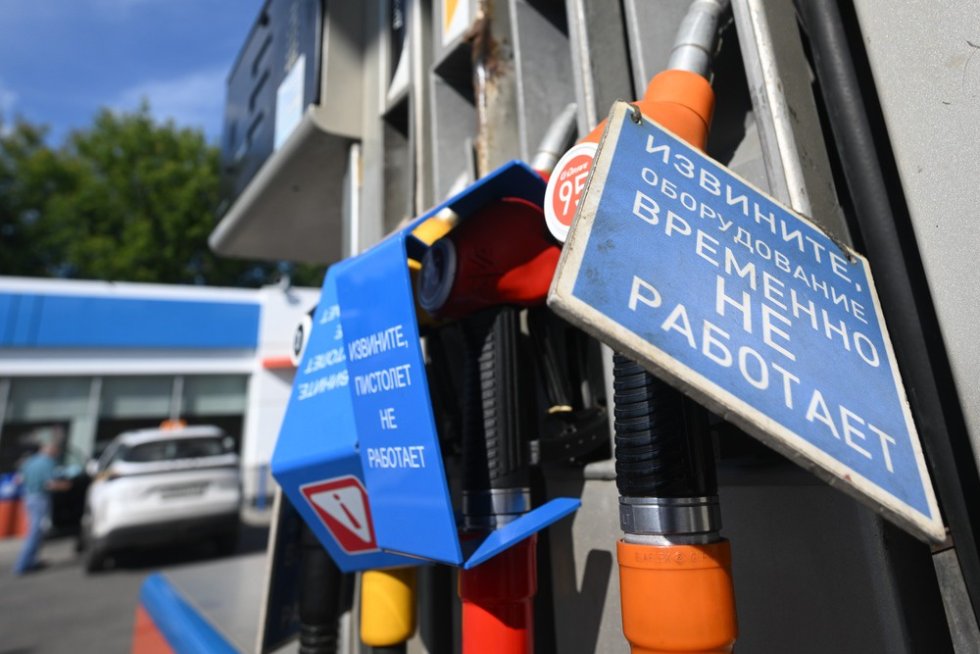
Gasoline from India is initially significantly more expensive than Russian gasoline.At the same time, the situation concerning fuel in some regions of the Russian Federation remains tense, with some gas stations closed and long queues forming at those that are operating. The primary issue with fuel imported from distant countries is its price. Given that imported gasoline is initially more expensive than Russian gasoline, a damping mechanism is applied to such supplies. This subsidy from the budget compensates importers for part of the difference between the indicative wholesale prices (set by the government for a year) in Russia and the cost of fuel in international markets, including delivery costs. However, even with this compensation, Indian or Moroccan gasoline (AI-92) has been trading at the St. Petersburg Exchange at a price of 105 thousand rubles per ton, 39% higher than AI-92's exchange quotations (75,530 rubles per ton).
This is not the price that buyers would like to see, nor is it the price at which gasoline can subsequently be sold at gas stations, noted Dmitry Gusev, deputy chairman of the Supervisory Board of the "Reliable Partner" Association and a member of the Expert Council of the "Gas Stations of Russia" competition, in an interview with "RG." Considering transportation, the price of such gasoline at gas stations will be close to 100 rubles or higher. Without the damping mechanism, it would cost 150 or 160 rubles per liter, he points out.
According to Sergey Tereshkin, CEO of Open Oil Market, the prices of Indian fuel will significantly exceed those of supplies from Russian refineries, even considering subsidies under the "import" damping mechanism. These subsidies will be disbursed with a certain lag, similar to the disbursements for damping Russian refineries. Due to the necessity to "cover" high logistical costs, fuel importers will provide significant discounts to end customers.
Sergey Frolov, managing partner of NEFT Research, adds that there is also the factor of rising logistical costs due to increasing freight rates and overall supply risks to Russia. Besides maritime delivery, the fuel needs to be distributed across Russia, incurring additional expenses. This explains the high gasoline prices at the exchange.
Gusev emphasizes that the situation with imported maritime fuel supplies should normalize. People are quite conservative and hesitant to purchase new supplies. For instance, it is currently unclear how to supply gasoline to the market that meets lower environmental standards (Euro-2, Euro-3, Euro-4), which have recently been allowed for turnover. It will take a couple of weeks for the situation to normalize and for everyone to understand how to proceed, believes the expert.
Additionally, it can be noted that gasoline demand in Russia traditionally decreases in the second half of September, which should positively affect fuel availability and prices at gas stations. This year, considering the existing challenges, it might start declining even earlier.
Tereshkin is confident that India will be the primary supplier of gasoline to Russia by sea, as it is also one of the largest consumers of Russian oil. It is not surprising that the calculation of import parity for the damping mechanism for importers is tied to the cost of fuel in Indian ports, adjusted for transportation costs to Russian ports, including insurance premiums and loading costs. Indian refineries are unlikely to export fuel with a high sulfur content (lower environmental standards), as they would incur losses not only in the Russian market but also in others.
Frolov believes that the volumes of imports from abroad will likely remain at a level that does not significantly influence gasoline prices in Russia, and only partially compensate for the volumes lost due to refinery outages. Currently, imports cover about 5% of the country's monthly needs.
Source: RG.RU