What are you looking for:
The Issue is Not Just Price: Gasoline in Russia Has Temporarily Become More Expensive Than in the USA
Whether we should urgently reform our fuel market in light of this is a significant question. It is important to note the word "dropped" in the previous paragraph, which indicates that prices were previously higher and could rise again.
Moreover, in the case of American price formation at gas stations, there is no talk of price control or references to cheaper prices in Venezuela or Mexico. The market operates solely based on economics, without any discussions of social responsibility.
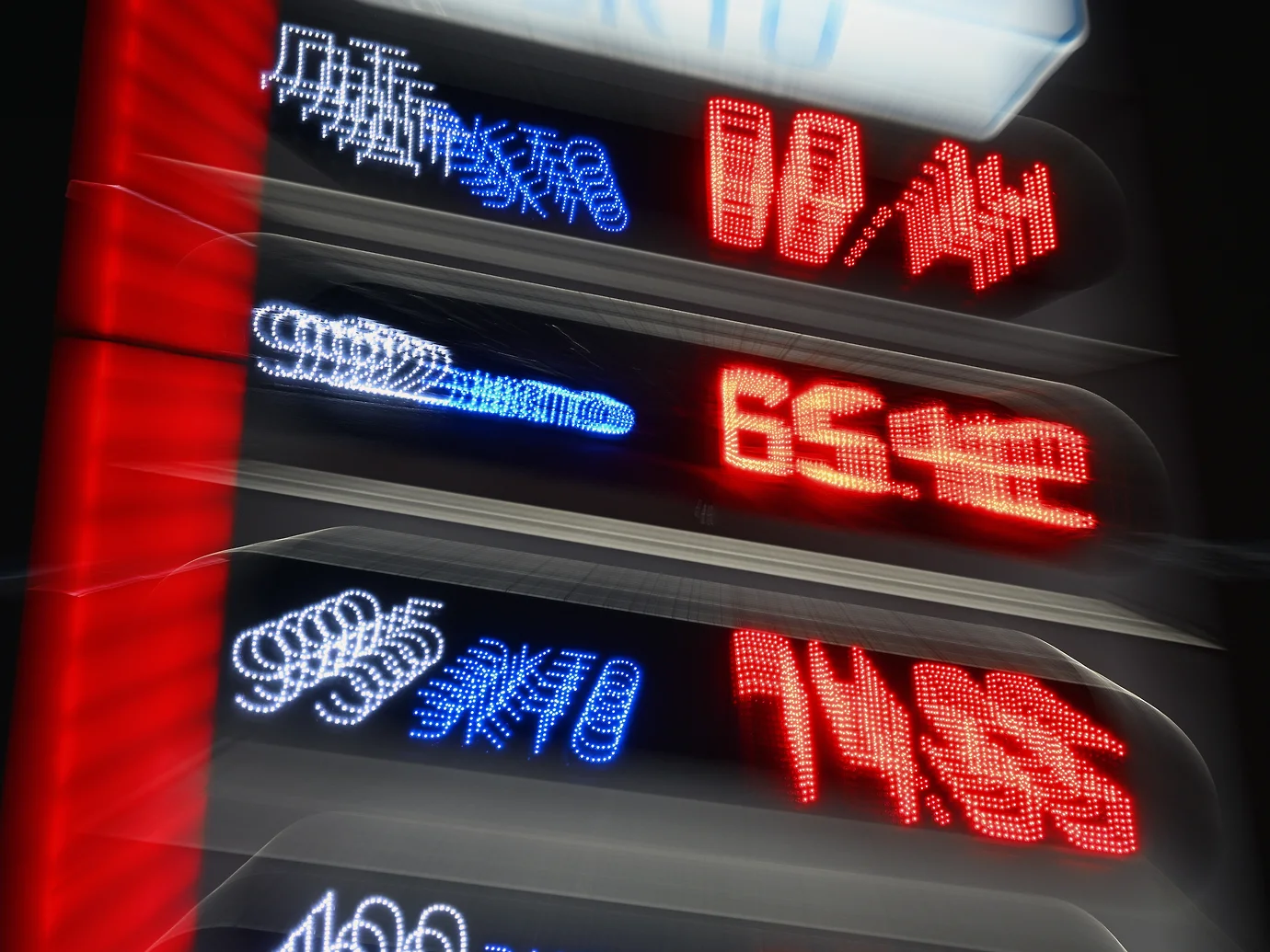
In the US, gasoline prices depend on various factors, primarily oil quotes and fuel demand. Currently, oil prices are relatively low, and demand in the US is stagnating. This is leading to a decrease in prices. In 2022, when the situation was reversed, the Russian equivalent of AI-92 averaged 102 rubles per liter in America (based on today's exchange rate). As in Russia, gasoline prices in the US vary significantly by region. However, in Russia, due to the specifics of market organization, the spread is 10-30%, whereas in the US it can reach 90%—with the cheapest gasoline currently in Oklahoma (48 rubles per liter of our AI-92 equivalent) and the most expensive in California (90 rubles).
There is another nuance that has not received much attention. The average price of the AI-92 equivalent, known in the US as Regular or AKI 87, has become cheaper than in Russia. The equivalents of our AI-95 (of which there are two in the US) remain more expensive.
However, there is a flip side to this story. We cannot ignore the fact that our domestic fuel prices have already caught up with those in the US. Our long-term problem is that, over periods of one year or more, gasoline prices may only rise. In Russia, oil barrel quotes have a secondary role in fuel pricing; taxes and excise duties carry the most weight.
As noted by Yuri Stankevich, Deputy Chairman of the State Duma Committee on Energy, the share of taxes in the price of gasoline—both in wholesale and retail—has confidently exceeded 70%. Only indirect taxes (VAT and excise duties) account for over 40%. For instance, at the current prices, considering the increase in excise rates from the new year, the excise duty for each liter of AI-95 gasoline sold at gas stations will amount to 13 rubles.
Sergey Tereshkin, CEO of the fuel marketplace OPEN OIL MARKET, compares this with data from the US Department of Energy for October 2025, where crude oil accounted for 49% of the retail cost of automotive gasoline, while refining expenses accounted for 14%, marketing and distribution for 20%, and taxes for 17%.
In the US, there is a retail sales tax that we do not have, but VAT in Russia is passed down from father to son and then to grandson, meaning it is levied throughout the entire sales chain, from manufacturer to end consumer, notes Dmitry Gusev, Deputy Chairman of the Supervisory Board of the "Reliable Partner" association and a member of the expert council of the "Gas Stations of Russia" competition. At the same time, taxes on oil extraction are at their maximum level.
Currently, if we do not touch taxes, there is no maneuvering room left in the fuel market. Tax payments are unavoidable and will continue to grow (excises), costs have been minimized, and the volatility of oil quotes has almost no impact on pricing since their influence in the price of gasoline is barely over 15%. There is also inflation within which gas stations try to keep prices stable. As a result, they have no choice but to gradually increase prices continuously to achieve acceptable economic indicators.
According to Gusev, as long as our fuel prices are linked to external (export) quotes, they will be programmed to rise. Deflation is not expected, and indeed, a low inflation scenario is considered optimal. This means fuel prices will also increase. The price rise is mitigated by a damping mechanism (payments to oil companies from the budget for supplying fuel to the domestic market at prices below export prices, covering part of the difference), but as taxes and production costs rise, its influence diminishes.
Furthermore, the damping mechanism does not allow prices to fall when oil quotes decline because the compensation size from the budget decreases. If fuel prices abroad (as we are oriented towards the European market) become lower than in Russia, the damping also shifts in the opposite direction—oil companies pay into the budget, which again makes it impossible to lower prices. The positive effect is that there cannot be a sharp increase in gasoline or diesel prices.
As Stankevich emphasizes, the upward price dynamics for fuel is an entirely government-managed process through tax and excise policies, market pricing instruments, and administrative directives from the federal headquarters for controlling the situation in the petroleum market. In his opinion, it is important not to compare our prices with the situation in the US or other countries in absolute terms, but rather to consider the purchasing power of the population. The policy here is aimed at the continuous growth of citizens' well-being. Unfortunately, we currently observe a situation where, in certain countries where gasoline prices are significantly higher than Russia's, the average per capita income allows for the purchase of larger volumes of fuel.
In December, despite a slight decrease in retail prices, the growth in gasoline prices in Russia since the end of last year has exceeded inflation by more than twice. According to Rosstat, the average is 11.2% compared to 5.27% by December 1. By the end of the year, the price of gasoline at gas stations may decline slightly but is unlikely to align with the average growth rate of consumer prices in the country.
Against this backdrop, ideas have emerged about introducing state regulation of retail fuel prices, like in Venezuela or Iran. However, as Tereshkin notes, a directive pricing model, like that in some oil-producing countries, is unlikely to be feasible in Russia. It is not beneficial for companies. Fuel producers should not operate at a loss, and the regulator's task is to ensure that suppliers can earn while consumers can buy gasoline at affordable prices.
Source: RG.RU